


Nazi Germany once stunned Europe with the speed of its victories. Poland was defeated. France collapsed. Country after country fell before they could fully mobilize their strength. Those victories gave Hitler reason to believe that speed could compensate for Germany’s weaknesses. But Britain did not surrender. The Soviet Union did not collapse. Once a war expected to last weeks stretched into years, an entirely different set of factors began to determine the outcome.
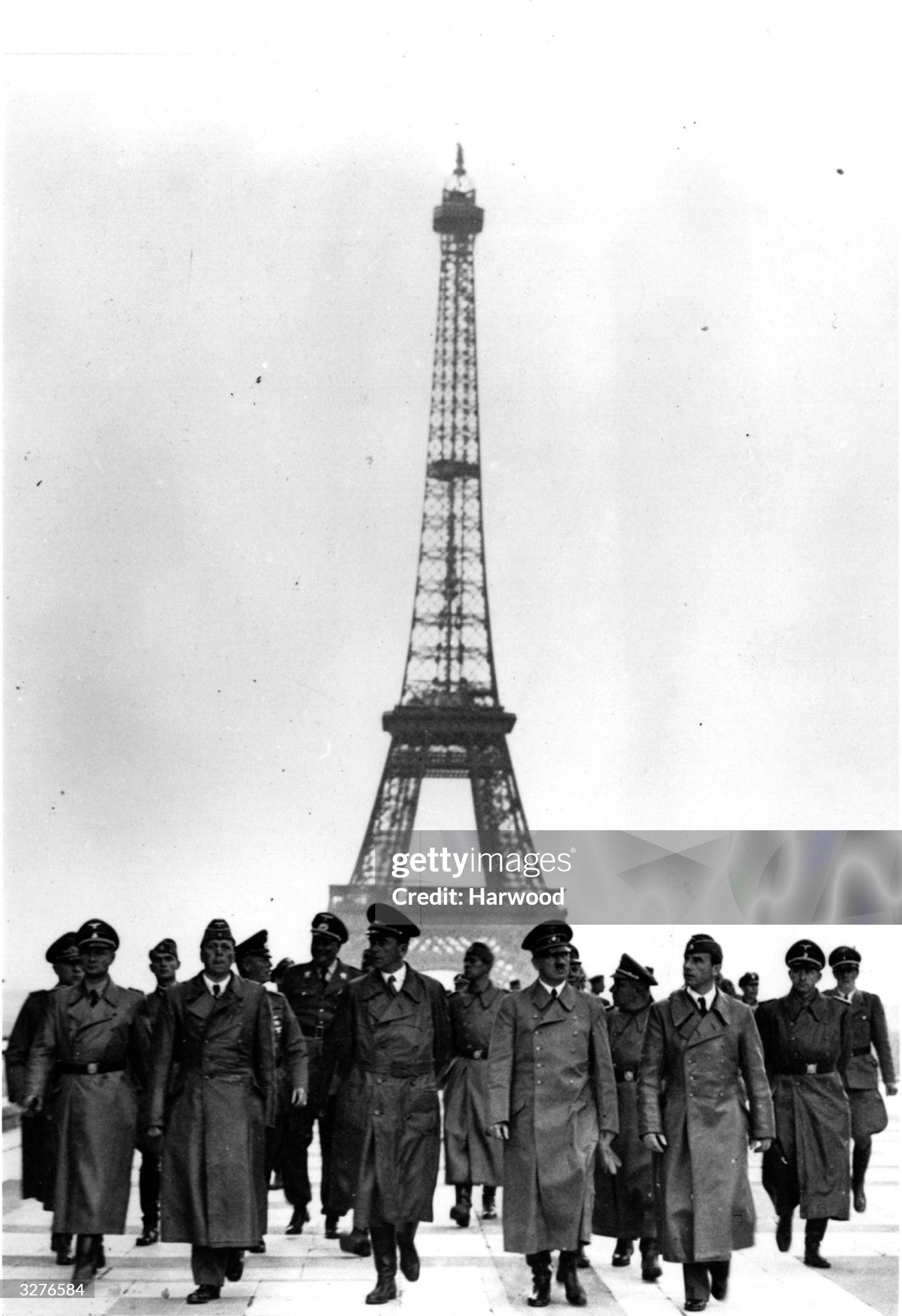
Nearly a century later, Donald Trump has repeatedly bet on military campaigns designed to produce results very quickly. Venezuela made that approach look almost perfect. The opening days of the war with Iran pushed Trump’s deterrent credibility even higher. But Iran is still standing. And that is where the lesson that eventually cost Hitler so much begins to matter for Trump.
Table of Contents
From Syria to Iran: Trump Grew Accustomed to Short, Sharp Strikes
Venezuela Took Trump’s Deterrent Credibility to Its Peak. Iran Began to Pull It Down
Why the United States Can No Longer Concentrate Its Full Power as It Did in the Gulf War
Is America Getting Weaker, or Has the World Washington Is Trying to Protect Become Too Large?
1. What Did Hitler’s Rapid Victories Hide?
Nazi Germany entered World War II with a major vulnerability: Its military was powerful, but the economy behind it lacked many of the raw materials essential to modern warfare. Germany depended heavily on oil from Romania and iron ore from Sweden, while developing synthetic fuel and artificial rubber to reduce its dependence on imports. If the war dragged on and Britain cut off trade routes, Berlin would become increasingly disadvantaged against enemies with larger resource bases and greater industrial capacity.
Blitzkrieg allowed Hitler to postpone that problem. If an opponent collapsed within weeks, Germany did not yet have to compete over who had more oil, who could build more aircraft or who could replace losses faster.
The early victories came with extraordinary speed:
Poland: September 1, 1939 → early October 1939, about five weeks.
Denmark: April 9, 1940, surrendered the same day.
Norway: April 9, 1940 → June 10, 1940, about two months.
Luxembourg: May 10, 1940, occupied the same day.
The Netherlands: May 10, 1940 → May 14, 1940, about four days.
Belgium: May 10, 1940 → May 28, 1940, 18 days.
France: May 10, 1940 → armistice signed June 22, 1940, about six weeks.
Yugoslavia: April 6, 1941 → April 17, 1941, 11 days.
Greece: April 6, 1941 → most of the mainland occupied by late April, with resistance ending in early June 1941.
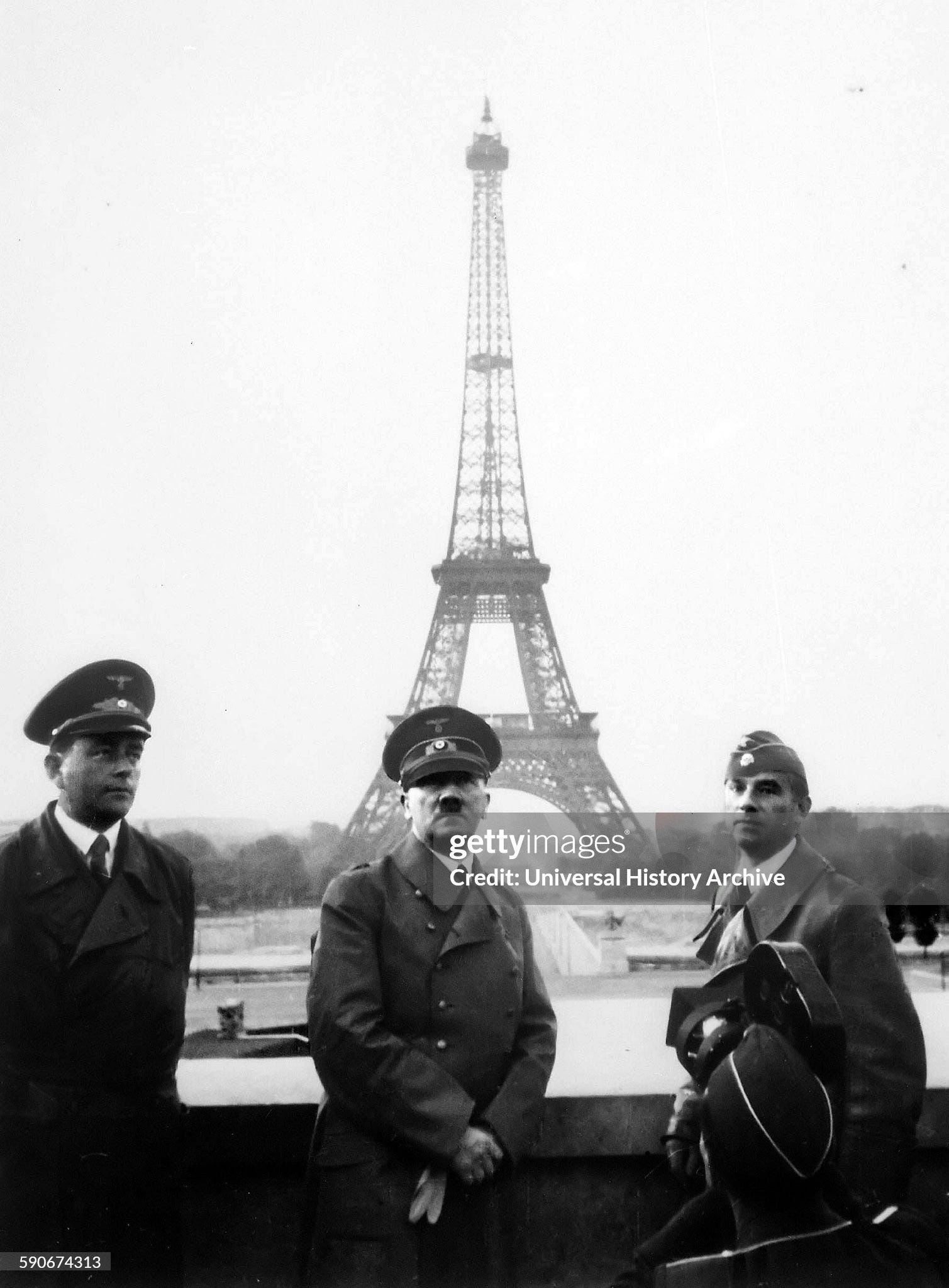
In less than a year, much of Europe had been defeated in campaigns lasting anywhere from a few hours to a few weeks. Blitzkrieg appeared to offer the perfect solution to Germany’s resource weakness: You did not need more resources than your enemy if you could defeat him before those resources could be fully mobilized.
But Britain did not surrender. In 1941, Hitler launched Operation Barbarossa against the Soviet Union expecting another rapid collapse. It never came. The deeper German forces advanced eastward, the longer their supply lines became, the greater their fuel requirements grew and the harder it became to replace losses. By 1942, oil had become such a serious problem that the Caucasus oil fields became one of Germany’s major strategic objectives.
Hitler was now trapped in precisely the kind of war Germany was least suited to win: A long conflict against enemies with far more oil, raw materials, manpower and industrial capacity. The early victories had hidden that weakness. Once the war stopped ending quickly, Germany’s resource limits became impossible to conceal.
2. From Syria to Iran: Trump Grew Accustomed to Short, Sharp Strikes
Donald Trump does not use Blitzkrieg in the literal way Hitler did in Europe, but his foreign policy has repeatedly followed a similar rhythm: Hit hard, hit fast, produce a clear result and avoid allowing the United States to become trapped in a long war.
Syria, 2017: Trump ordered 59 Tomahawk missiles fired at the Syrian government’s Shayrat air base after the chemical attack in Khan Sheikhoun.
Syria, 2018: The United States, Britain and France struck facilities the coalition identified as part of Bashar al-Assad’s chemical weapons program. The operation ended after a single wave of strikes.
Iraq, 2020: Trump ordered the killing of Major General Qassem Soleimani, commander of the Islamic Revolutionary Guard Corps’ Quds Force. Iran retaliated against U.S. bases, but neither side entered a full-scale war.
Iran, 2025: Trump brought the United States directly into the Israel-Iran war through Operation Midnight Hammer, striking the nuclear facilities at Fordow, Natanz and Isfahan. The war ended after 12 days.
Caribbean, 2025: The Trump administration began using military force against vessels Washington accused of transporting drugs from the Venezuelan region.
These operations differed greatly in scale and purpose, but they repeatedly gave Trump the same experience: The United States could unleash overwhelming force for a short period, produce immediate results and stop before the conflict became a prolonged war of attrition.
By early 2026, Venezuela made that approach look more convincing than ever.
3. Venezuela Took Trump’s Deterrent Credibility to Its Peak. Iran Began to Pull It Down
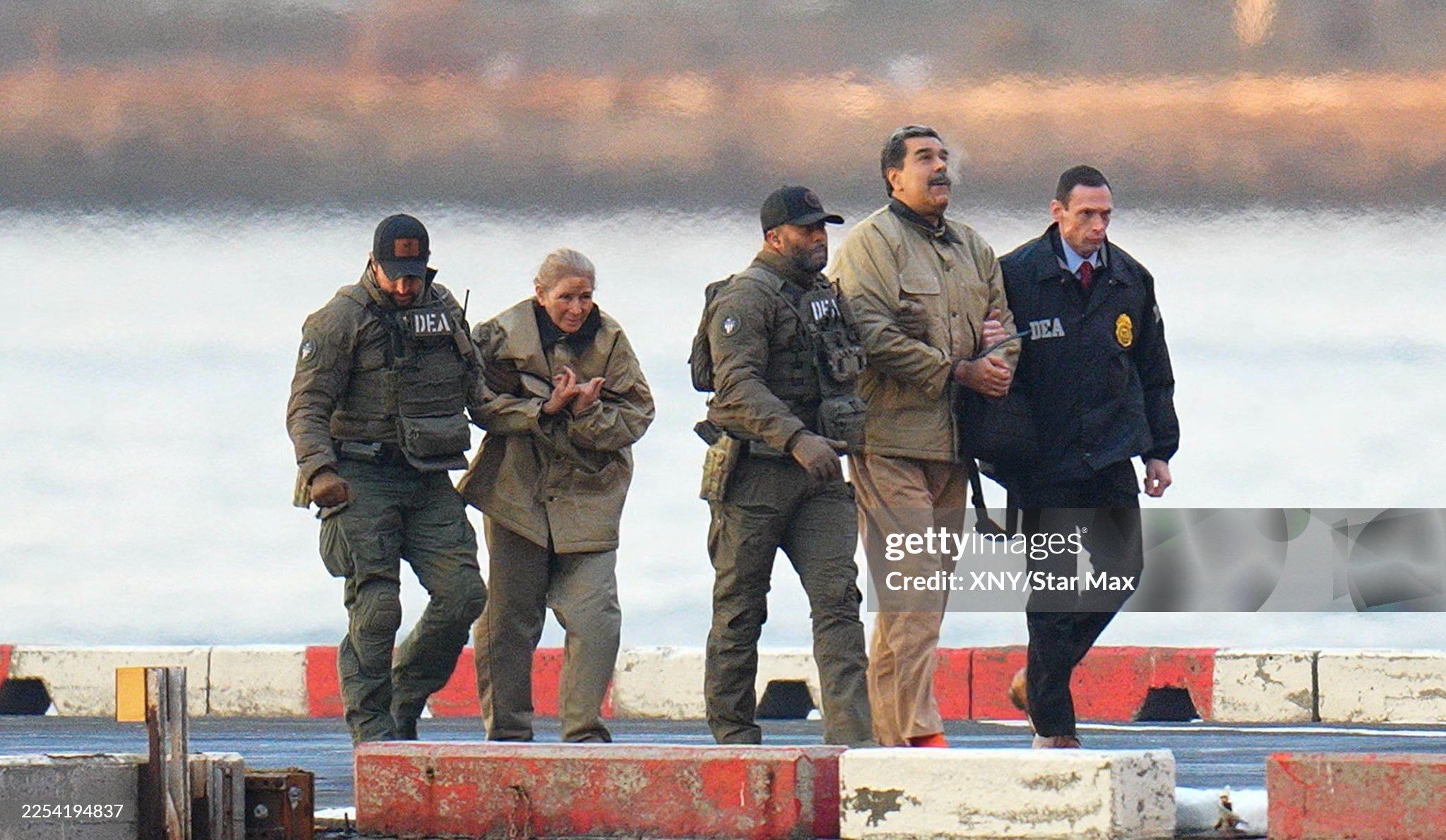
On January 3, 2026, Delta Force raided Caracas, captured Venezuelan President Nicolas Maduro and his wife, Cilia Flores, and withdrew from Venezuela. From the moment U.S. special forces approached the compound until they left, the operation took just over two hours. No U.S. service members were killed, although several were wounded and one helicopter was hit. A sitting president had been seized in his own capital and taken aboard a U.S. warship. As a demonstration of deterrence, the message could hardly have been stronger: Washington had turned something that looked extraordinarily difficult into a one-night operation.
Less than two months later, the opening hours of the campaign against Iran made that image even more intimidating. On February 28, the United States and Israel launched a large-scale air campaign. Supreme Leader Ayatollah Ali Khamenei was killed, along with IRGC Commander Mohammad Pakpour, Defense Minister Aziz Nasirzadeh and numerous other senior officials. Trump said much of Iran’s senior leadership had been eliminated. The Associated Press reported that roughly 40 senior officials were killed during the opening phase.
After Venezuela and the opening strike on Iran, Trump’s image as a president willing to unleash enormous force and produce immediate results reached extraordinary heights. From the perspective of America’s adversaries, Maduro had just been taken from his own capital, while Iran’s supreme leader and numerous senior commanders had been killed in the first hours of a new war.
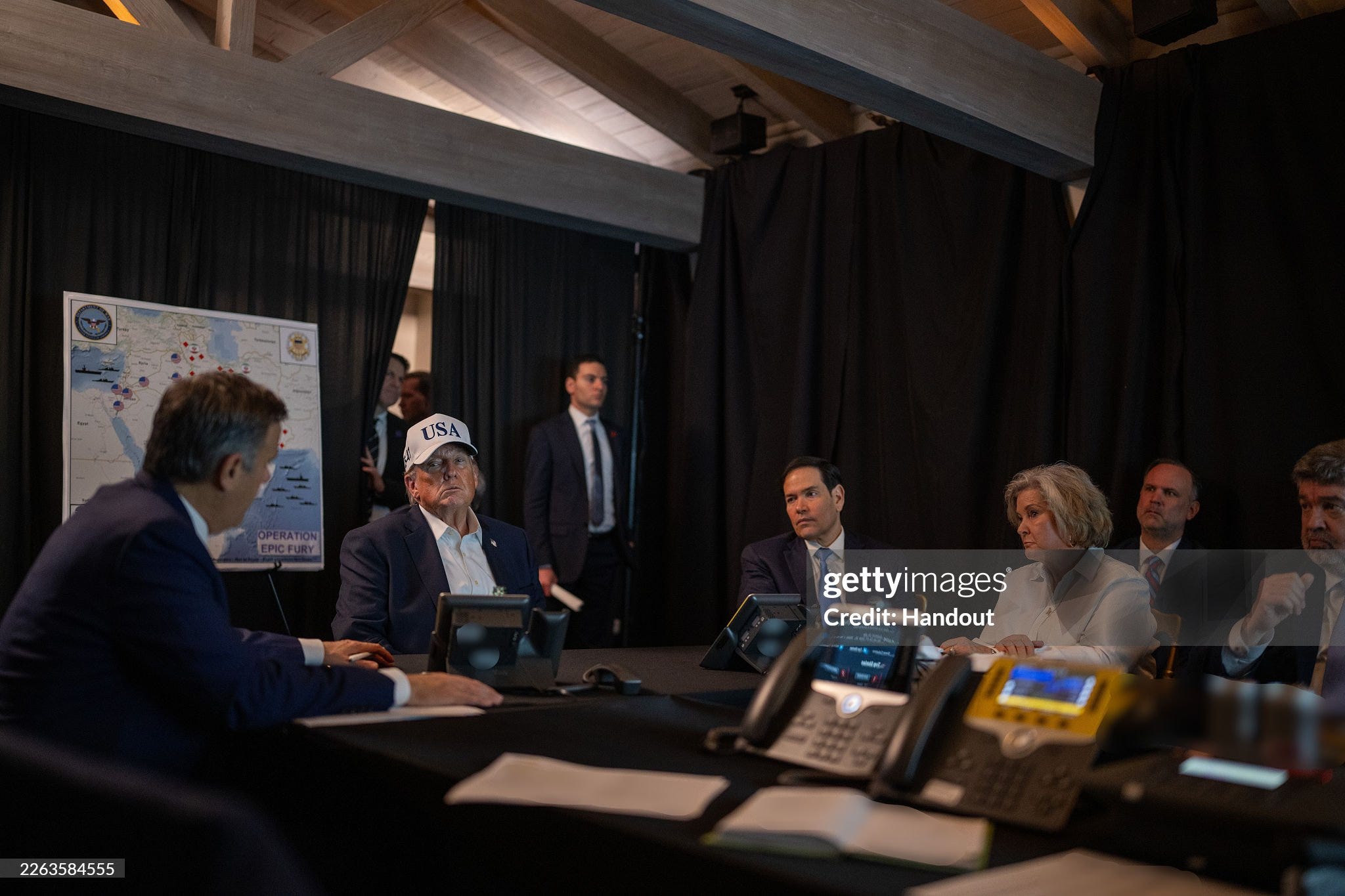
But Iran did not collapse. The state continued functioning, Iranian forces continued fighting and months later the war was still not over. The Strait of Hormuz remained unstable, energy prices remained under pressure and Washington had yet to convert its initial military superiority into a decisive political outcome. Venezuela made Trump’s version of rapid warfare appear almost limitless. The opening hours in Iran strengthened that impression. Iran’s survival is what began to expose its limits.
4. Why the United States Can No Longer Concentrate Its Full Power as It Did in the Gulf War
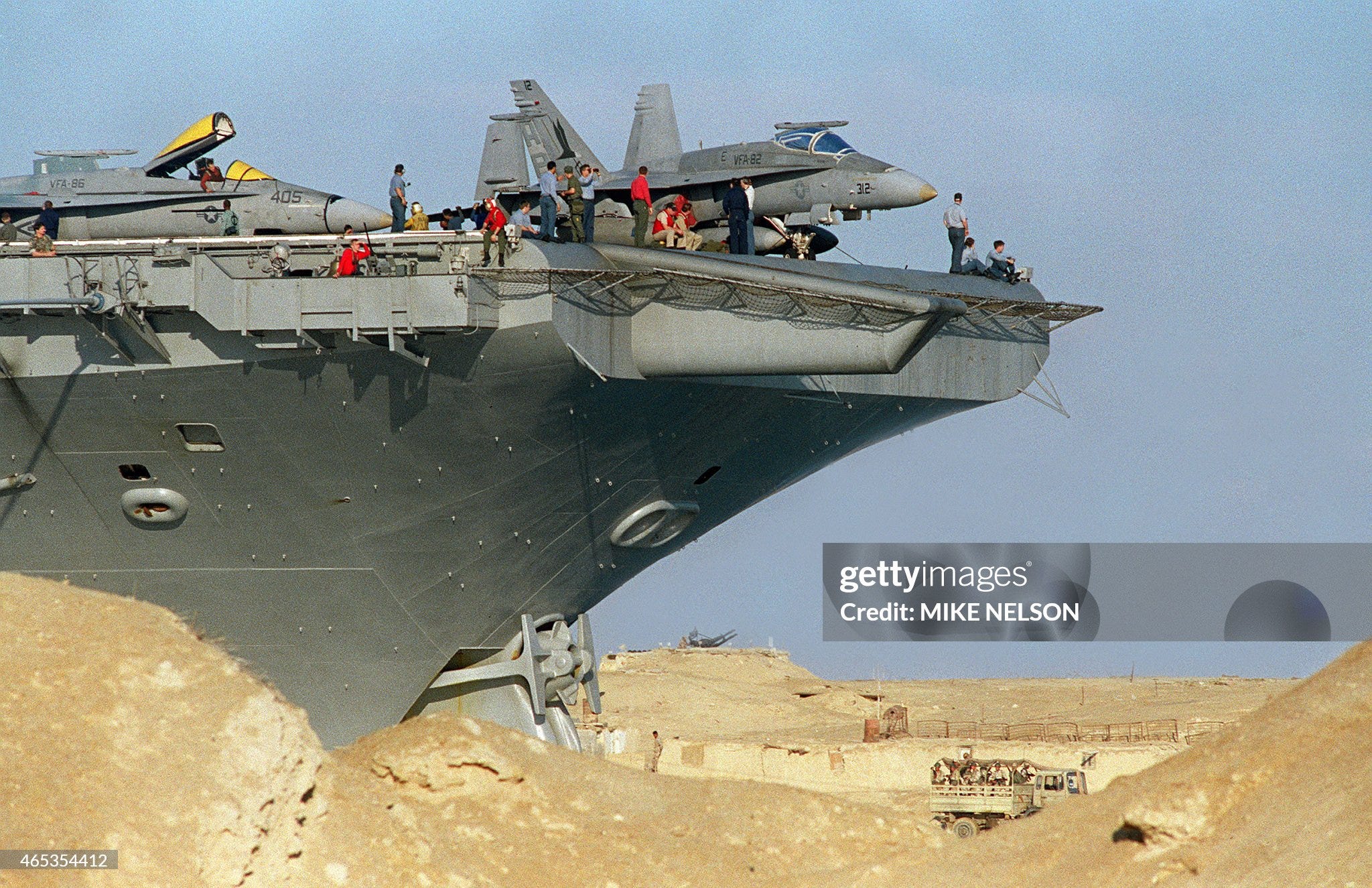
To understand why a superpower such as the United States now has to calculate the use of individual missile types in a war with Iran, it is worth returning to 1991. After Saddam Hussein invaded Kuwait in 1990, the United States and its allies assembled a massive force in the Gulf. Roughly 540,000 U.S. troops deployed to Saudi Arabia, supported by thousands of aircraft, warships and forces from dozens of other countries. After weeks of air strikes, the ground campaign lasted only about 100 hours before Iraqi forces were driven out of Kuwait.
That was Operation Desert Storm. Its objective was also relatively limited: Liberate Kuwait and defeat the Iraqi forces occupying it, rather than march on Baghdad and overthrow Saddam. The military and political return was enormous compared with the duration of direct combat. Kuwait was liberated, the international coalition remained intact, the Iraqi military suffered severe losses and the United States emerged from the Cold War with the image of a power capable of concentrating overwhelming force on a single battlefield.
But after 1991, the way the United States prepared for war changed. The Soviet Union disappeared, and the prospect of total war against another superpower appeared more remote. Ammunition stockpiles declined, the defense industry consolidated and some reserve production capacity was eliminated because maintaining it during peacetime was expensive. At the same time, America’s global responsibilities did not shrink.
NATO expanded. The United States continued maintaining forces in Europe, Japan, South Korea and the Middle East. After September 11, 2001, Afghanistan and Iraq drew America into two long wars. Then came the campaign against ISIS, protecting shipping in the Red Sea, supporting Ukraine, defending Israel and preparing for a potential war with China. The United States remained extremely powerful. But its power increasingly had more places to go.
5. Is America Getting Weaker, or Has the World Washington Is Trying to Protect Become Too Large?
Afghanistan and Iraq cannot be judged simply by how much money they cost. The real question is what the United States gained politically, militarily and strategically in return.
In Afghanistan, the United States overthrew the Taliban within weeks after September 11, disrupted Al Qaeda’s network and eliminated many of its leaders. But a counterterrorism campaign gradually became a two-decade state-building project. When the United States withdrew in 2021, the Kabul government collapsed and the Taliban returned to power.
In Iraq, the United States quickly overthrew Saddam Hussein, removed a long-standing hostile regime and ended Iraq’s ability to threaten its neighbors as it had before. But the war then dragged on, the weapons of mass destruction used as a central justification for the invasion were never found, and the resulting power vacuum helped Iran expand its influence inside Iraq.
Afghanistan and Iraq did not directly cause today’s shortages of Patriot or THAAD interceptors. The deeper cost was trillions of U.S. dollars, manpower and nearly two decades of strategic attention focused on the Middle East and South Asia while Russia rearmed and China emerged as America’s principal military competitor in Asia.
Ukraine is different. Supporting Kyiv has cost money and consumed certain types of ammunition, but the United States has also received clear strategic benefits: Russia has suffered major military losses without U.S. combat troops directly entering the war, NATO has been strengthened and European defense spending has increased.
The most immediate pressure on America’s stocks of high-end missiles now comes more directly from the Middle East: Operations against the Houthis, defending Israel against Iran, the Iran war of 2025 and especially the war with Iran in 2026. After 25 years of war and increasingly far-flung commitments, a major problem is beginning to emerge: Is America getting weaker, or has the world Washington is trying to protect become too large?
6. How Much U.S. Power Is Iran Actually Facing?
The United States remains the world’s most powerful military power, but that power is distributed across multiple regions. U.S. Central Command is responsible for the Middle East. Europe must prepare for Russia. Forces in Japan and South Korea must remain ready for crises in East Asia. Indo-Pacific Command must preserve enough power for the most serious scenario of all: A conflict with China.
The key point is that these dangers are not hypothetical problems from some distant future. Russia is already fighting in Ukraine. China continues applying military pressure around Taiwan. The Middle East is already at war. Washington therefore cannot freely pull warships, aircraft or missiles from one region and send them elsewhere without considering the possibility that another crisis could erupt precisely when those forces have been moved.
Washington can still shift resources between theaters, but every transfer creates a new calculation. A Patriot interceptor sent to the Middle East is one no longer available in the stockpile previously reserved for Europe or Asia. A destroyer pulled into the Gulf is no longer where it had been before. Delays in the delivery of PAC-3 MSE missiles to Poland because the Iran war reduced U.S. inventories show how attrition in one theater can quickly affect another. Money cannot solve the problem immediately either. Tomahawk, THAAD, Patriot and many other missiles require months or years to replace. Stockpiles can decline rapidly, while industrial capacity cannot expand at the same speed.
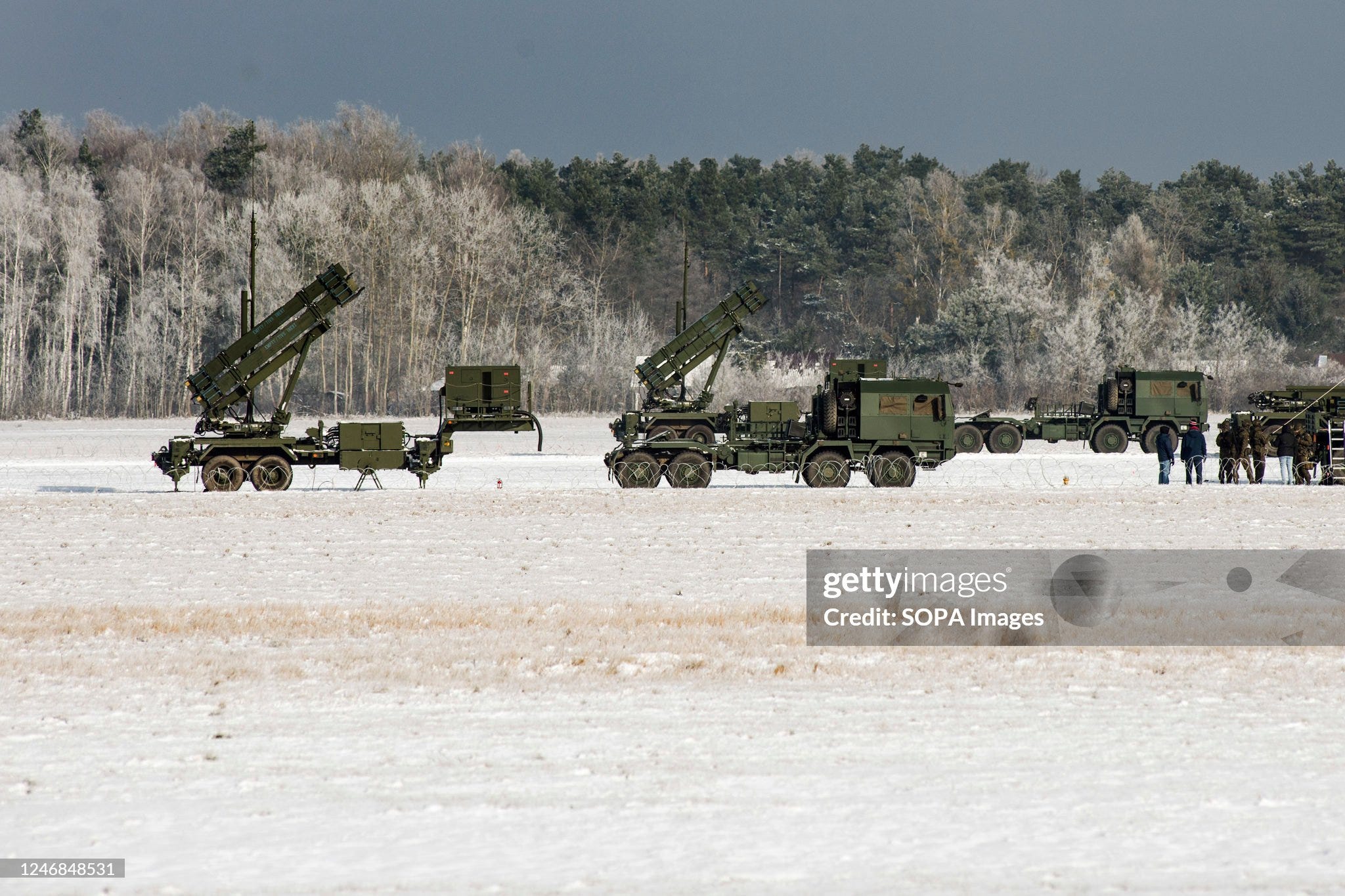
This is the limitation Iran is exposing. Tehran is not facing the entire U.S. military at once. It is facing the portion Washington can commit to the Middle East without allowing risks in Europe and Asia to rise too far. If the United States wanted to move from air strikes and defense to a campaign aimed at overthrowing the Iranian regime, Washington would have to draw far more troops, ships, aircraft and ammunition away from other priorities.
That also changes how America’s adversaries calculate U.S. deterrence. Iraq in 2003 showed that Washington could overthrow a hostile government in a very short period of time. Today, Russia, China, Iran and North Korea can add another question to their calculations: How much power can the United States actually dedicate to their theater, how long can it sustain that commitment and how much must it keep in reserve for a crisis somewhere else?
Iran in 2026 is testing exactly that limit. The United States can still inflict enormous military damage. But when an opponent does not collapse quickly, the war begins to shift from raw firepower to stockpiles, production, economics, time and the other theaters Washington cannot afford to leave exposed.
7. Hormuz Brings the War to the Gas Pump and the Ballot Box
The Iran war has moved from the Middle East directly into the daily lives of Americans. The Strait of Hormuz remains unstable, oil and gasoline prices remain under pressure and the cost of living is becoming an increasingly important political issue. A Reuters/Ipsos poll in early October found that most Americans surveyed believed Trump’s policies were contributing to higher prices.
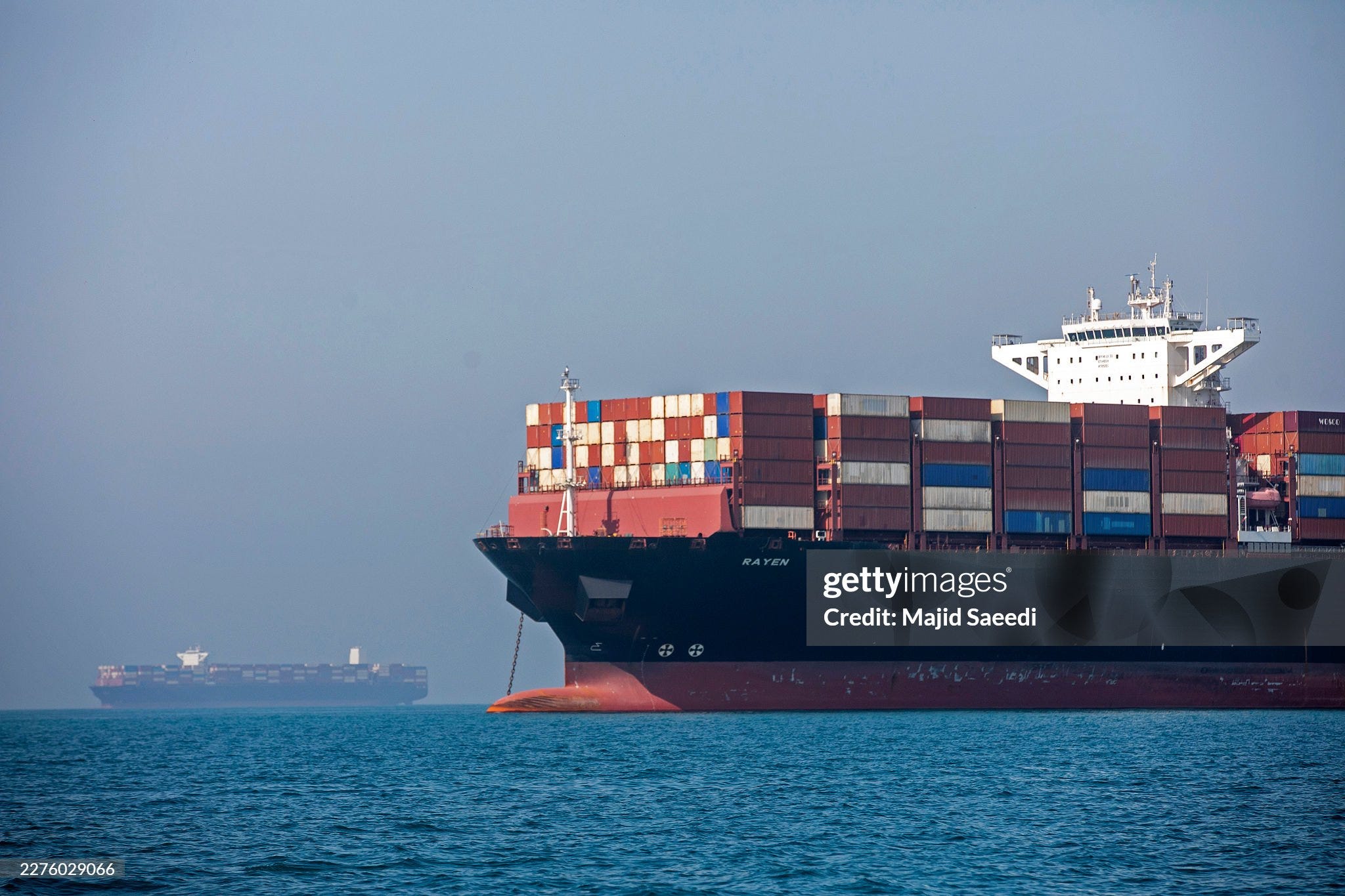
That becomes particularly dangerous with the November 3 midterm elections approaching. Republicans hold only a very narrow majority in the House of Representatives, while Democrats need only a small net gain to take control. If the war and higher fuel prices continue to frustrate voters, Iran could help alter the balance of power in Washington.
Even losing only the House would force Trump into the final two years of his presidency with an opposition party able to control committees, open investigations, subpoena officials, pressure administration spending and obstruct parts of his legislative agenda. If Democrats also capture the Senate, the pressure would become considerably greater.
8. A Short War Could Leave Trump’s Final Two Years in Chaos
Trump still has more than two years left in office. If Iran collapses or a favorable agreement emerges soon, he could still turn the war into a political victory. But if it drags on, pressure from fuel prices, depleted stockpiles and the need to preserve forces for Russia, China and other theaters will continue to grow.
The midterm elections could make the situation much harder. If Republicans lose the House, Democrats could block major legislation, control congressional committees, open investigations, subpoena officials and pressure the administration through the budget. If Republicans also lose the Senate, Trump would face even greater difficulty advancing legislation and confirming senior officials.
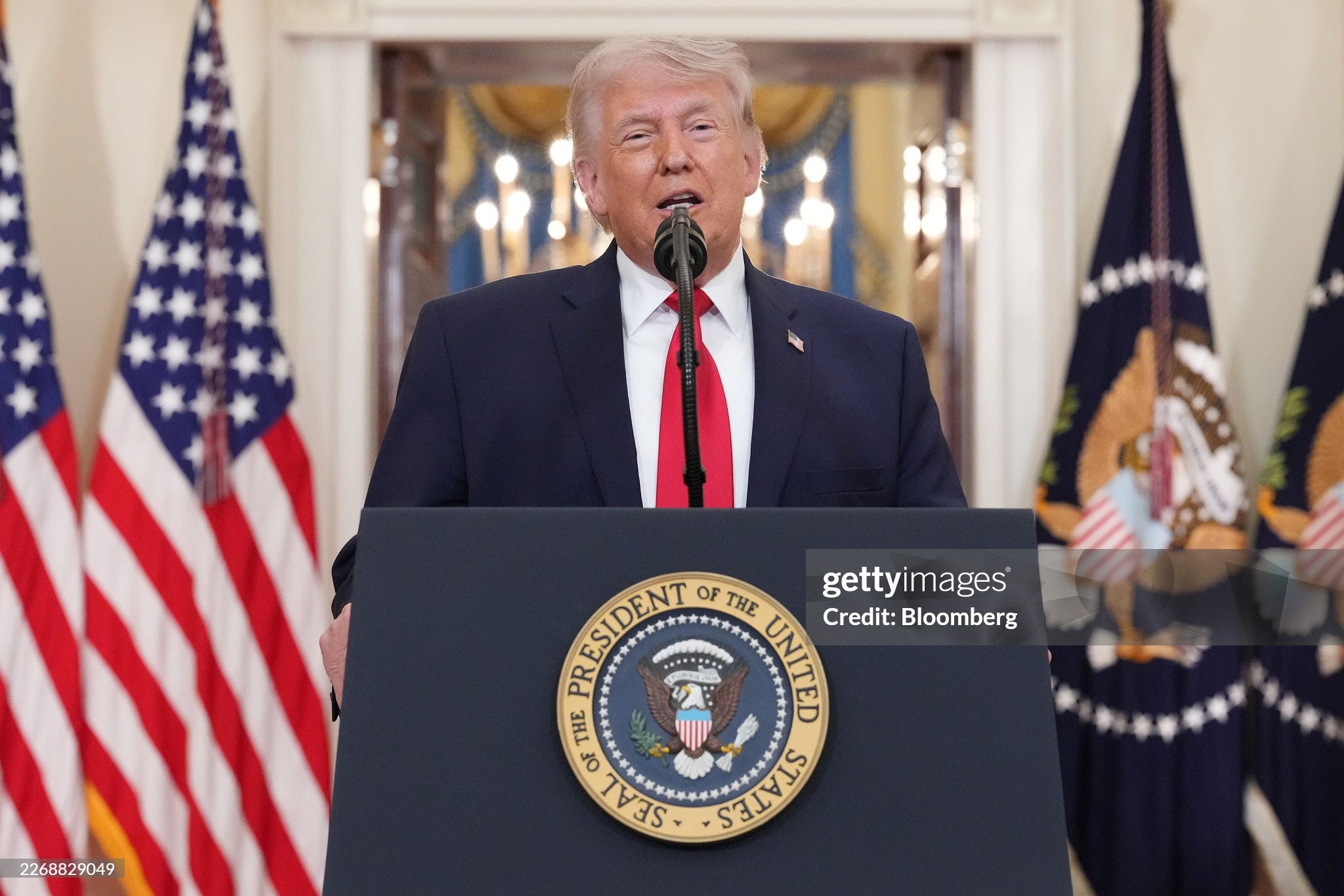
Trump would still control the White House and remain commander in chief. But if the Iran war remains unresolved, the final two years of his presidency could be consumed by confrontation between the White House and Congress, budget battles, high energy prices, depleted weapons stockpiles and pressure from multiple theaters at once.
If the war continues, Trump could go from the peak of his deterrent credibility after Venezuela and the opening days of the Iran campaign to ending his presidency in chaos, leaving behind an America whose credibility has been seriously weakened.