


Qatar is rich because of natural gas, but the ships carrying that wealth must pass through waters Doha does not control. LNG, or liquefied natural gas leaving Qatar must first cross the Strait of Hormuz. Cargoes heading to Europe must then pass through the Gulf of Aden, the Bab el Mandeb Strait, the Red Sea, and finally the Suez Canal. This makes relations with the powers positioned along these maritime routes part of Qatar’s economic security.
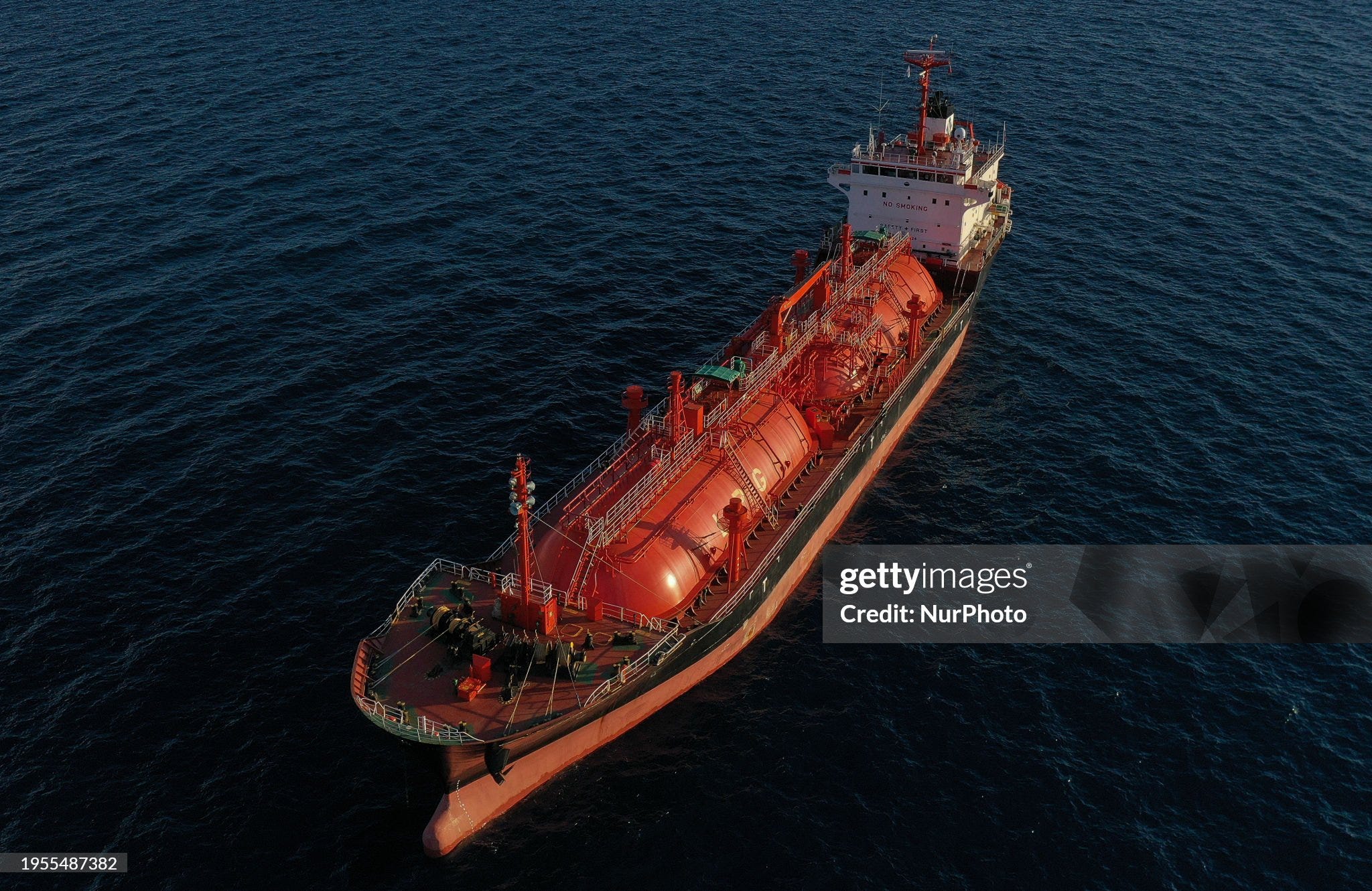
This is why the Horn of Africa matters to Doha. If geography alone were the deciding factor, Somaliland would offer several advantages over Somalia. Somaliland’s Port of Berbera sits directly on the Gulf of Aden, closer to the Bab el Mandeb Strait, with direct access to the maritime route leading into the Red Sea. It has also been developed into an important deep water port.
So why has Qatar chosen to side with Somalia and oppose Somaliland’s attempt to gain independence?
Table of Contents
1. How Qatar’s Weaknesses Shaped Its Foreign Policy
Qatar possesses some of the world’s largest natural gas reserves and generates enough revenue to invest across multiple continents. But that wealth also creates a major vulnerability. Qatar’s economy and government revenues remain heavily dependent on oil and gas. In 2025, hydrocarbons accounted for roughly 87 percent of merchandise exports and around 85 percent of government revenue. LNG, or liquefied natural gas, alone generated more than half of the total value of Qatar’s merchandise exports. In other words, the money that funds the state budget, overseas investments, and much of Qatar’s economic power depends directly on Doha’s ability to move energy from the Persian Gulf to global markets.
This is where geography becomes a weakness. Qatar is a small peninsula inside the Persian Gulf. LNG leaving Qatar must first cross the Strait of Hormuz. Cargoes heading to Europe through the Suez route must then pass through the Gulf of Aden, the Bab el Mandeb Strait, the Red Sea, and finally the Suez Canal.
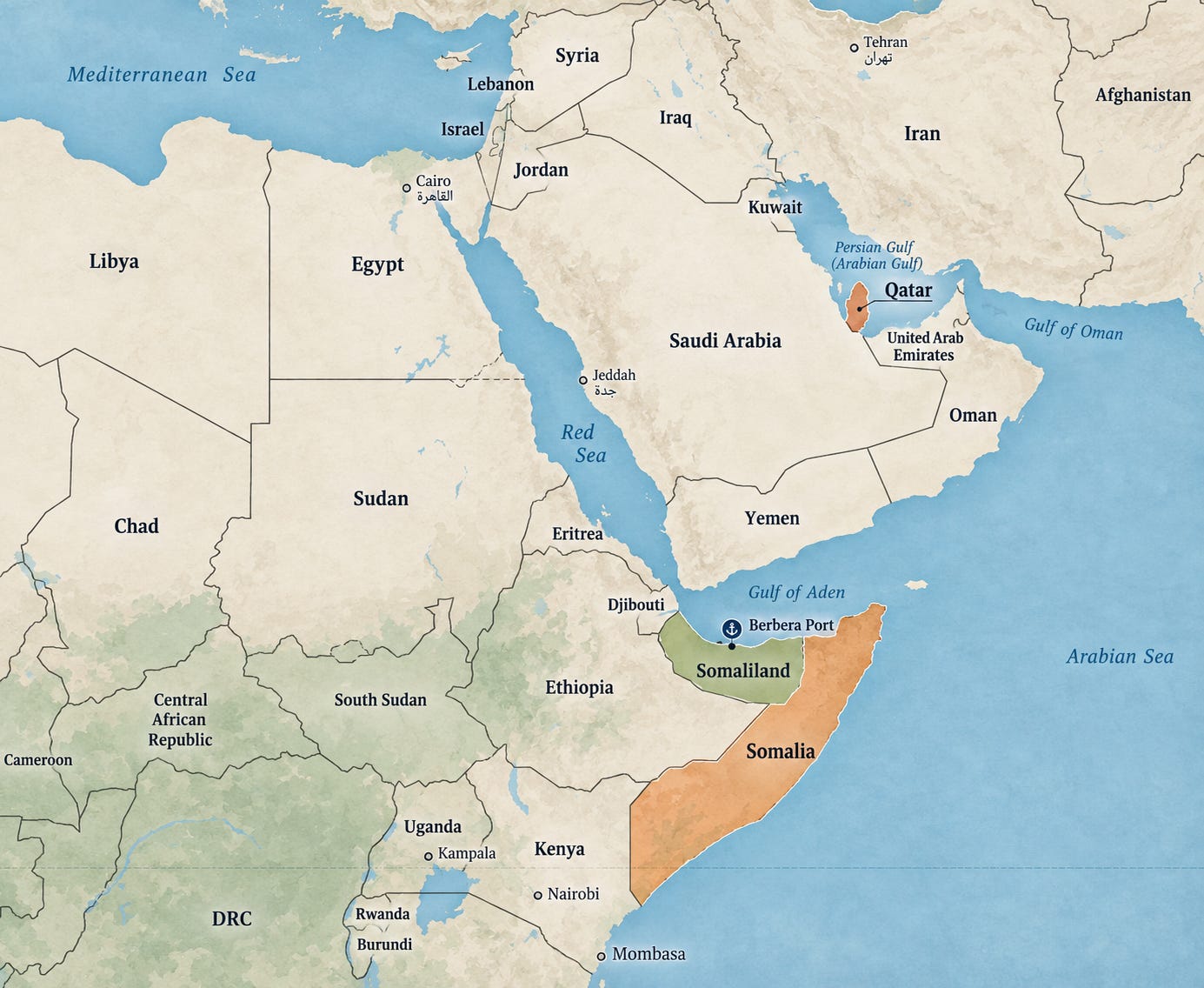
Qatar controls none of these chokepoints. Hormuz lies between Iran and Oman. Bab el Mandeb lies between Yemen, Djibouti, and Eritrea. The Suez Canal belongs to Egypt. A significant part of Qatar’s economy therefore depends on maritime routes outside Doha’s control. Qatar also lacks the military power to protect the entire route from the Persian Gulf to the Mediterranean. Doha needs Hormuz to remain open, the Gulf of Aden and Bab el Mandeb to remain stable, the Red Sea to remain secure, and the Suez Canal to continue operating.
This is one of the keys to understanding Qatar’s foreign policy. Saudi Arabia has vast territory. Turkey has a large military. Israel has military and technological power. Iran has strategic depth, missiles, and armed networks. Qatar has enormous financial resources but lacks comparable instruments of power. Doha therefore uses what it has to compensate for what it lacks by building relationships with the countries and powers positioned along the routes that are vital to Qatar’s economy.
2. Why Somaliland Looks Attractive on the Map
From a purely geographic perspective, Somaliland possesses an extremely valuable asset: the Port of Berbera. Berbera sits on the Gulf of Aden, along the maritime route linking the Indian Ocean with the Bab el Mandeb Strait and the Red Sea. From there, the distance to Bab el Mandeb is far shorter than from southern Somalia. Somaliland is therefore well positioned to access one of the most important maritime corridors connecting Asia and Europe.
That is also why the United Arab Emirates has invested heavily in Berbera. For Qatar, a deep relationship with Somaliland could theoretically provide several advantages. It could give Doha access to a strategic port, a position closer to Bab el Mandeb, greater influence from the Persian Gulf into the Gulf of Aden, and additional depth for its maritime security network. Viewed individually, these advantages make Somaliland appear more attractive than Somalia. But this is where geography begins to collide with politics.
3. Why Qatar Still Chose Somalia
Qatar cannot determine its relationship with Somaliland as if Somaliland existed alone on the map. Doha has to consider its entire network of partners. After Israel recognized Somaliland on December 26, 2025, describing Somaliland as a breakaway region of Somalia, Qatar immediately rejected the decision and reaffirmed its support for Somalia’s sovereignty, unity, and territorial integrity. Qatar was not alone. Turkey, Saudi Arabia, Egypt, Pakistan, Oman, Kuwait, Jordan, Sudan, Djibouti, Iran, and numerous other Arab, Muslim, and African countries also opposed Israel’s recognition of Somaliland.
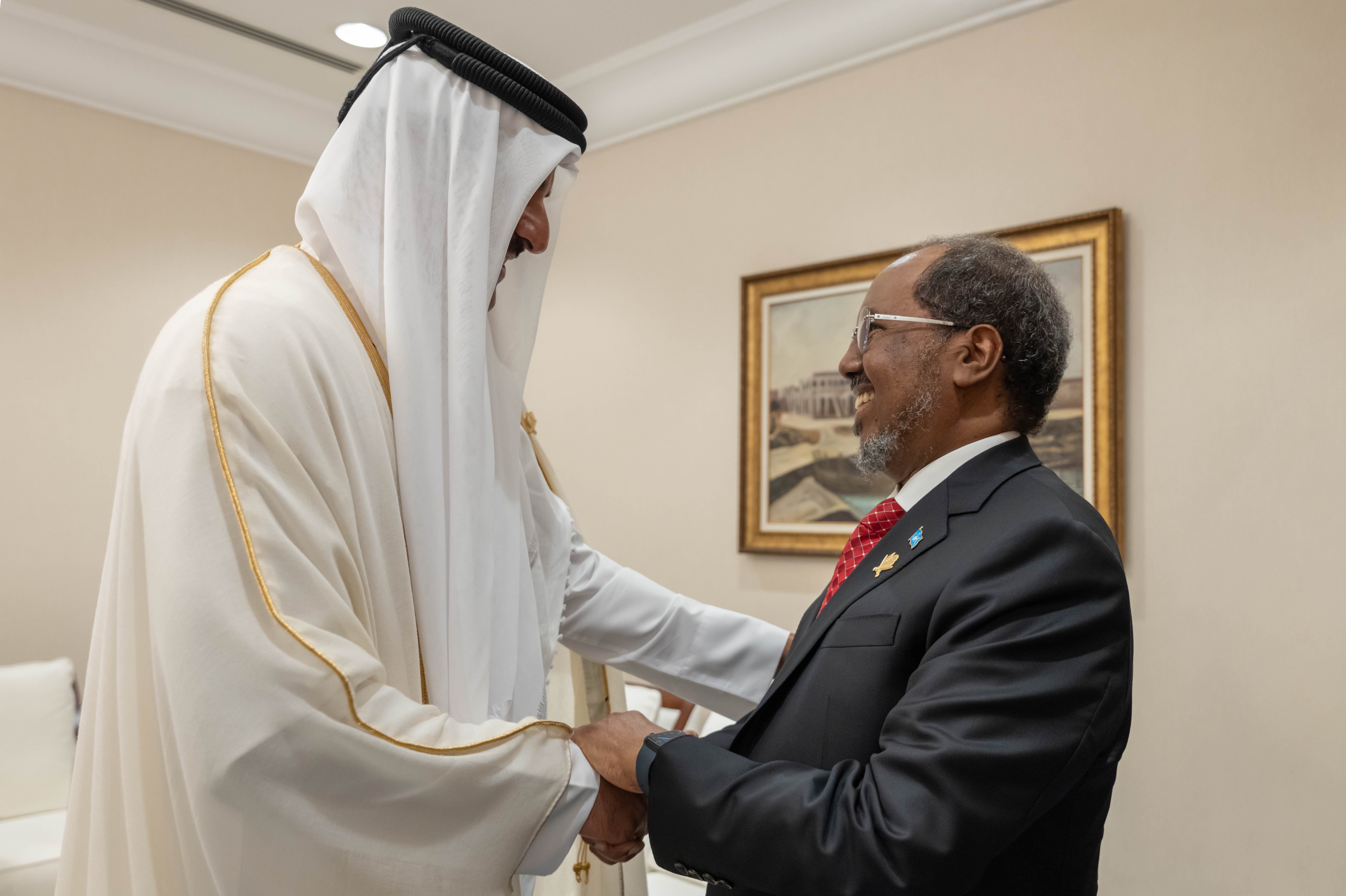
Three of those countries are particularly important to Doha. Turkey is Qatar’s closest military ally and one of the Somali government’s most important military partners. Saudi Arabia is a country with which Qatar spent years rebuilding relations after the 2017 to 2021 blockade, and Riyadh now shares many interests with Doha in Red Sea affairs. Egypt controls the Suez Canal, a vital link on the maritime route from the Persian Gulf to the Mediterranean, and it has also taken a clear position in support of the Somali government.
Qatar therefore faces a relatively straightforward calculation. Choosing Somaliland could provide the advantage of Berbera, but it would also place Doha on the opposite side of Turkey, Saudi Arabia, Egypt, and the Somali government at the same time. Qatar is under no legal obligation to choose Somalia, but the structure of Doha’s relationships makes Somalia the far more logical choice.
4. The UAE and Israel Were Already Ahead in Somaliland
Somaliland is also not an empty space waiting for Qatar to enter. The UAE has been there for years. Dubai based DP World has invested hundreds of millions of U.S. dollars in Berbera. Abu Dhabi has also developed deep relationships with Somaliland, Puntland, and Jubbaland, ranging from ports and security cooperation to ties with local authorities. When Mogadishu severed relations with the UAE in early 2026, Somaliland, Puntland, and Jubbaland all said they would continue their relationships with Abu Dhabi. Israel then formally recognized Somaliland and began expanding its political and security ties there.
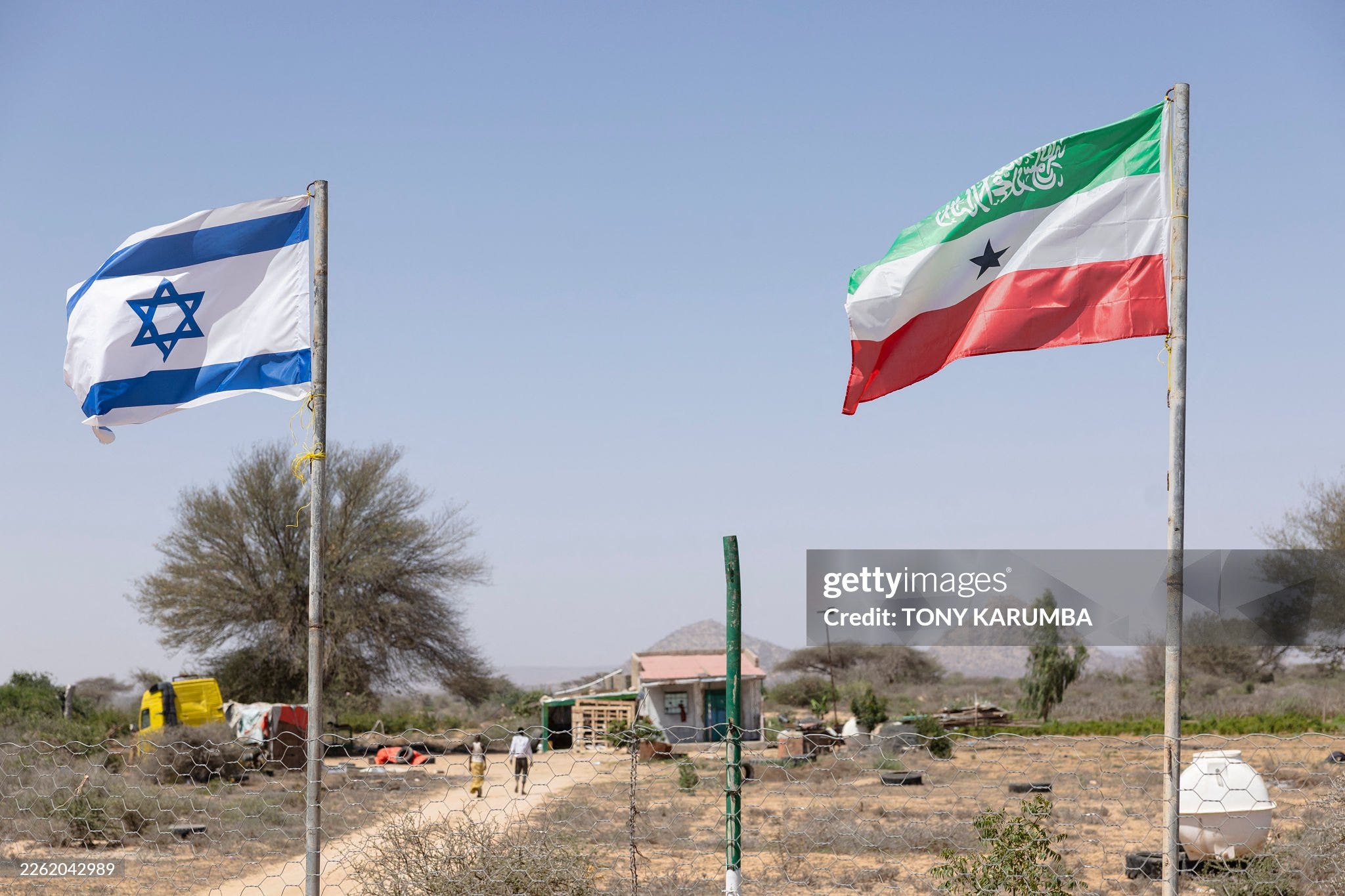
Qatar therefore has another factor to consider. If Doha moved into Somaliland, it would be entering an area where the UAE has already invested heavily and where Israel has recently established a new political position. Qatar and the UAE have already competed for influence in places ranging from Libya to the Horn of Africa. Mogadishu, by contrast, was opening up new space. Somalia is therefore attractive to Qatar not only because Somalia itself has strategic value, but also because it gives Doha room to expand its influence without entering a space where the UAE and Israel already hold stronger positions.
5. Somalia Opened the Door Just as Qatar Sought Greater Influence
January 2026 was a particularly important moment. On January 12, 2026, Somalia’s federal government cancelled its agreements with the UAE, including security and defense cooperation. Mogadishu accused Abu Dhabi of undermining Somalia’s sovereignty. The Somali government also investigated allegations that the UAE had used Somali territory to move a Yemeni separatist leader out of the country, while Abu Dhabi was also linked to the process that led to Israel’s recognition of Somaliland. The UAE did not acknowledge these allegations.
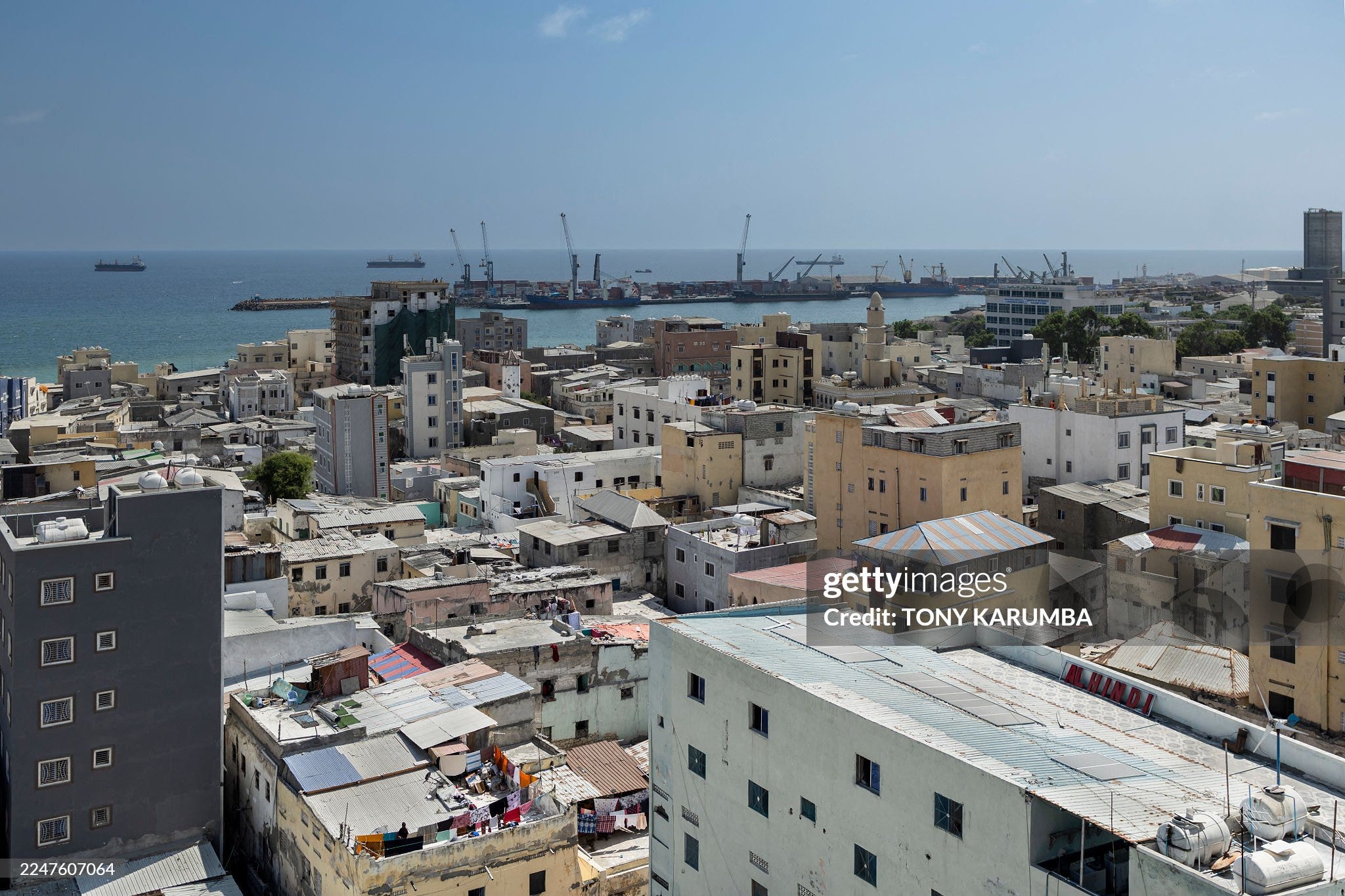
After UAE support was cut off, Somali officials mentioned Qatar or Saudi Arabia as possible alternatives that could replace part of the resources previously provided by Abu Dhabi. Just seven days later, on January 19, 2026, Qatar and Somalia signed a defense cooperation agreement in Doha. According to Somalia, the agreement covers military training, exchanges of expertise, development of defense capabilities, and stronger security cooperation.
This is not a mutual defense treaty. There is no public commitment requiring Qatar to send troops if Somalia is attacked, no announced Qatari base in Somalia, and no specific new weapons package has been disclosed. The timing, however, is significant. Somalia had just lost the UAE from its security network, while Qatar immediately gained more room to expand its role. This fits Doha’s broader approach to influence, which is to become a partner that another government does not want to lose.
6. Qatar Somalia Relations Did Not Begin in 2026
The new defense agreement did not emerge from nowhere. Qatar’s relationship with Somalia’s federal government has been developing since at least the 2017 GCC crisis. When Saudi Arabia, the UAE, Bahrain, and Egypt imposed their blockade on Qatar, Somalia’s federal government chose to remain neutral, even though some regional administrations inside Somalia sided with Saudi Arabia and the UAE. Mogadishu also stressed that the federal government held the authority to determine Somalia’s foreign policy.
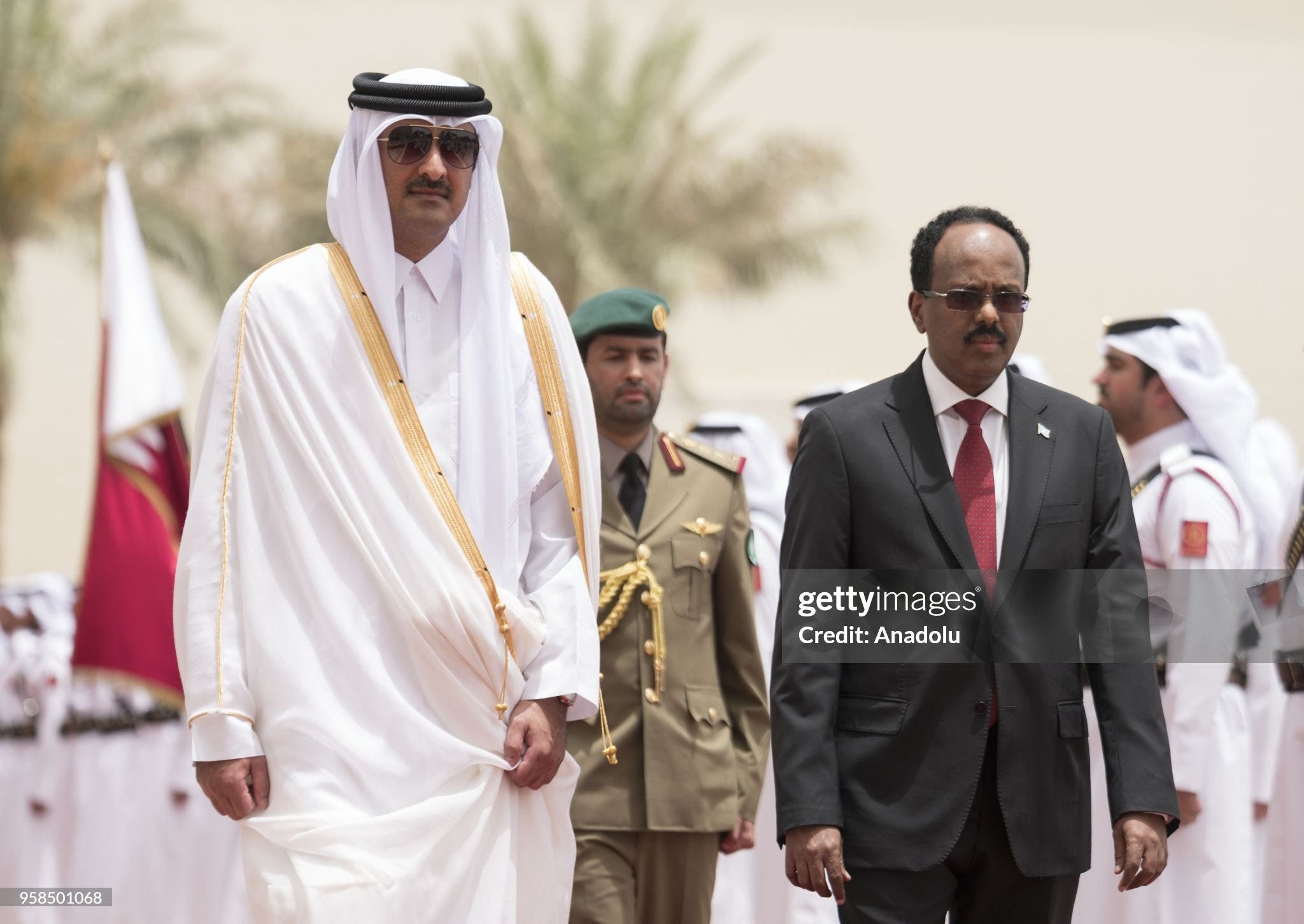
In late 2017, Qatar signed a development package worth around 200 million U.S. dollars with the Somali government, focusing on infrastructure, education, job creation, and strengthening state capacity. Doha later financed road projects linking Mogadishu with Jowhar and Afgoye.
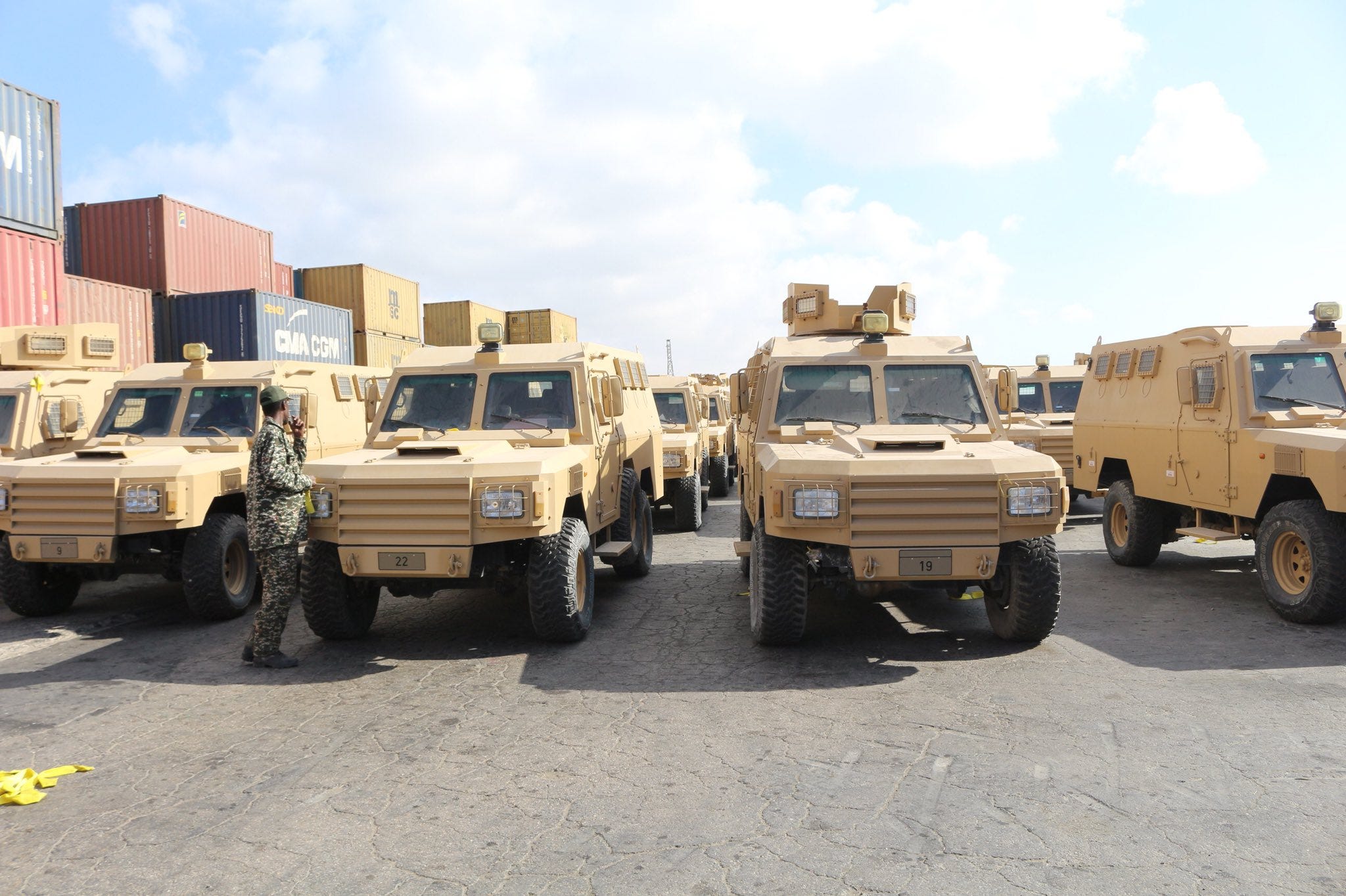
In 2019, Qatar provided Somalia with 68 modern military vehicles, officially intended to strengthen state institutions, the central government, and counterterrorism capabilities. Qatar also provided budget support to Somalia that year. By 2026, Somali officers continued to receive training at Qatari military academies.
Over time, Doha has followed a fairly consistent approach: investing in Somalia’s central government. This also distinguishes Qatar from the UAE. Abu Dhabi has developed relationships with the federal government as well as Somaliland, Puntland, and Jubbaland, while Qatar has focused more heavily on the internationally recognized federal government.
7. What Qatar and Somalia Need From Each Other
Somalia needs three things that Qatar can provide.
The first is money. Mogadishu still requires outside resources to strengthen the state, build infrastructure, and develop its security forces. The second is military training and defense support. Qatar does not possess an enormous military, but it has enough financial capacity to fund training facilities, purchase equipment, and help smaller partners develop their capabilities.
The third is diplomatic balance. As relations with the UAE deteriorated, Mogadishu needed other Gulf states to prevent excessive dependence on a single external sponsor. Qatar can help provide that alternative.
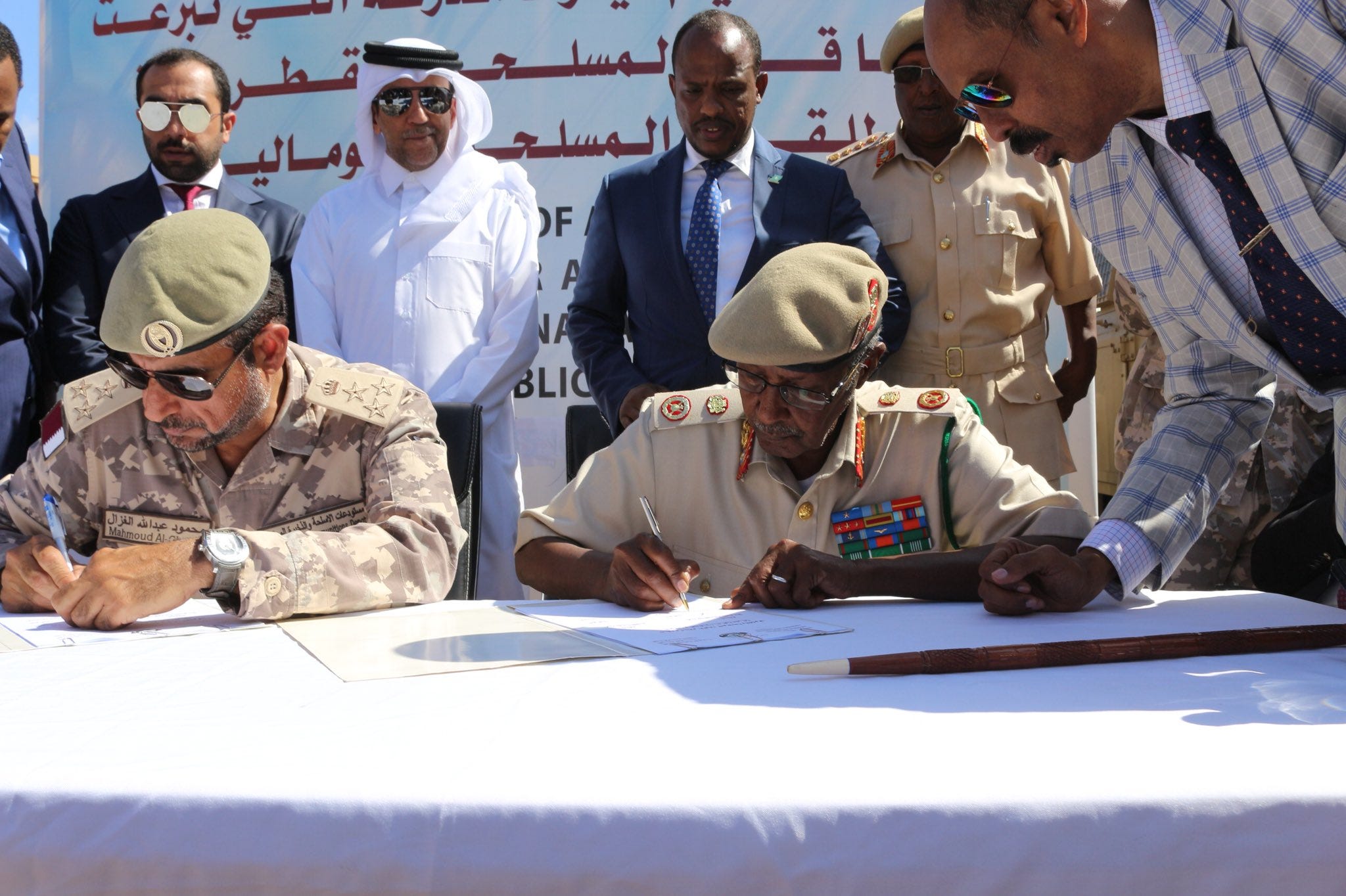
In return, Somalia gives Doha a partner in the Horn of Africa, an internationally recognized government, and access to a country with a long coastline along the Gulf of Aden and the Indian Ocean. Somalia is also a member of the United Nations, the African Union, the Arab League, and the Organization of Islamic Cooperation, or OIC.
More importantly, Somalia gives Qatar a position in a region connecting the Middle East with Africa and the maritime routes around the southern Red Sea. Qatar does not need to build a massive military base in Somalia to benefit from the relationship. If Doha becomes one of the governments Mogadishu turns to for money, training, diplomacy, or security assistance, Qatar already has influence.
8. What Somalia Reveals About How Qatar Builds Power
This is how Qatar compensates for its own weaknesses. Qatar is too small to protect all of its interests abroad on its own. Its military cannot control Hormuz, secure the Bab el Mandeb Strait, or determine what happens at Suez. Doha also lacks the population and territory required to build a large military system abroad.
But Qatar has money. Doha can convert that money into relationships, aid, training, investment, political influence, and access to foreign governments. Somalia is a clear example.
If geography alone determined the decision, Berbera in Somaliland might look more attractive to Qatar than Mogadishu. Foreign policy, however, is shaped by more than distance from a strategic strait. Turkey stands with Somalia. Saudi Arabia stands with Somalia. Egypt stands with Somalia. The UAE already holds a strong position in Somaliland, while Israel has recognized Somaliland.
Qatar therefore has two choices. One is to move into Somaliland, compete for space with the UAE and Israel, and create friction with some of Doha’s most important partners. The other is to stand with Somalia, reinforce Qatar’s existing network, gain a position in the Horn of Africa, and fill part of the space the UAE has left behind in Mogadishu.
Doha chose the second option. That choice makes sense for a country with enormous financial resources but limited military power to compel others to follow its preferences. Somaliland has Berbera. Somalia has an entire network standing behind it. For Qatar, that network is more valuable than a port.
This also points to the broader logic of Qatar’s strategy. Its vulnerable geography, limited military scale, and heavy dependence on energy export routes push Doha to build a wide network of relationships to protect its interests. Qatar’s wealth gives it the financial resources to build and sustain those relationships. The more countries that have interests tied to Doha, the harder Qatar becomes to isolate or pressure.
Interesting.