


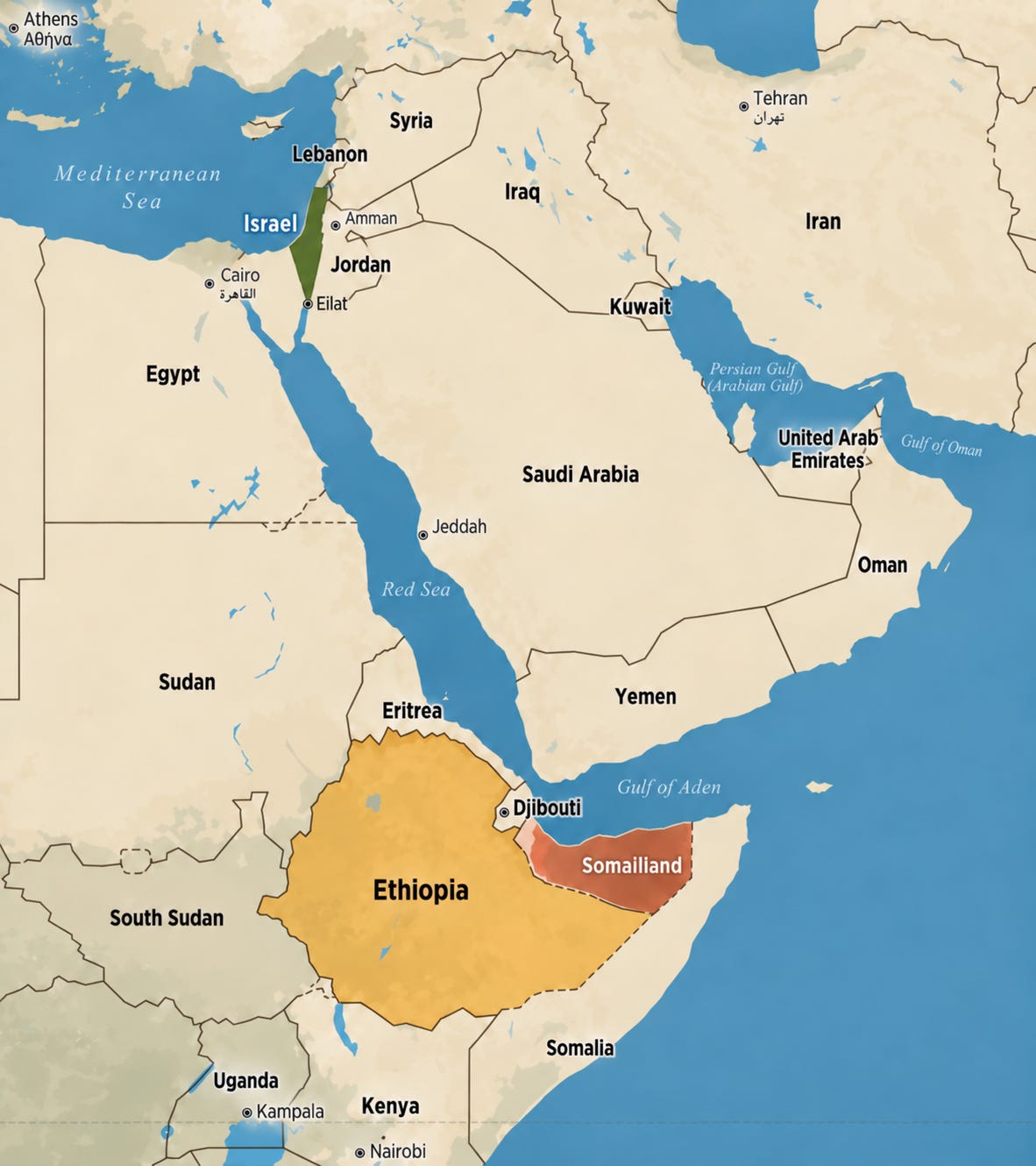
Ethiopia has vast territory but no coastline. Somaliland has a coastline but lacks recognition and the strength to defend itself. Israel has military power, technology, and international influence, but it is too far away to build a durable foothold in the Horn of Africa on its own.
These three weaknesses are creating a rare opportunity. Israel could help bring Ethiopia and Somaliland back together: Ethiopia could recognize Somaliland in exchange for a corridor to the sea, Somaliland would gain a major ally directly across its border, and Israel would gain a network of partners capable of protecting its interests at the southern entrance to the Red Sea.
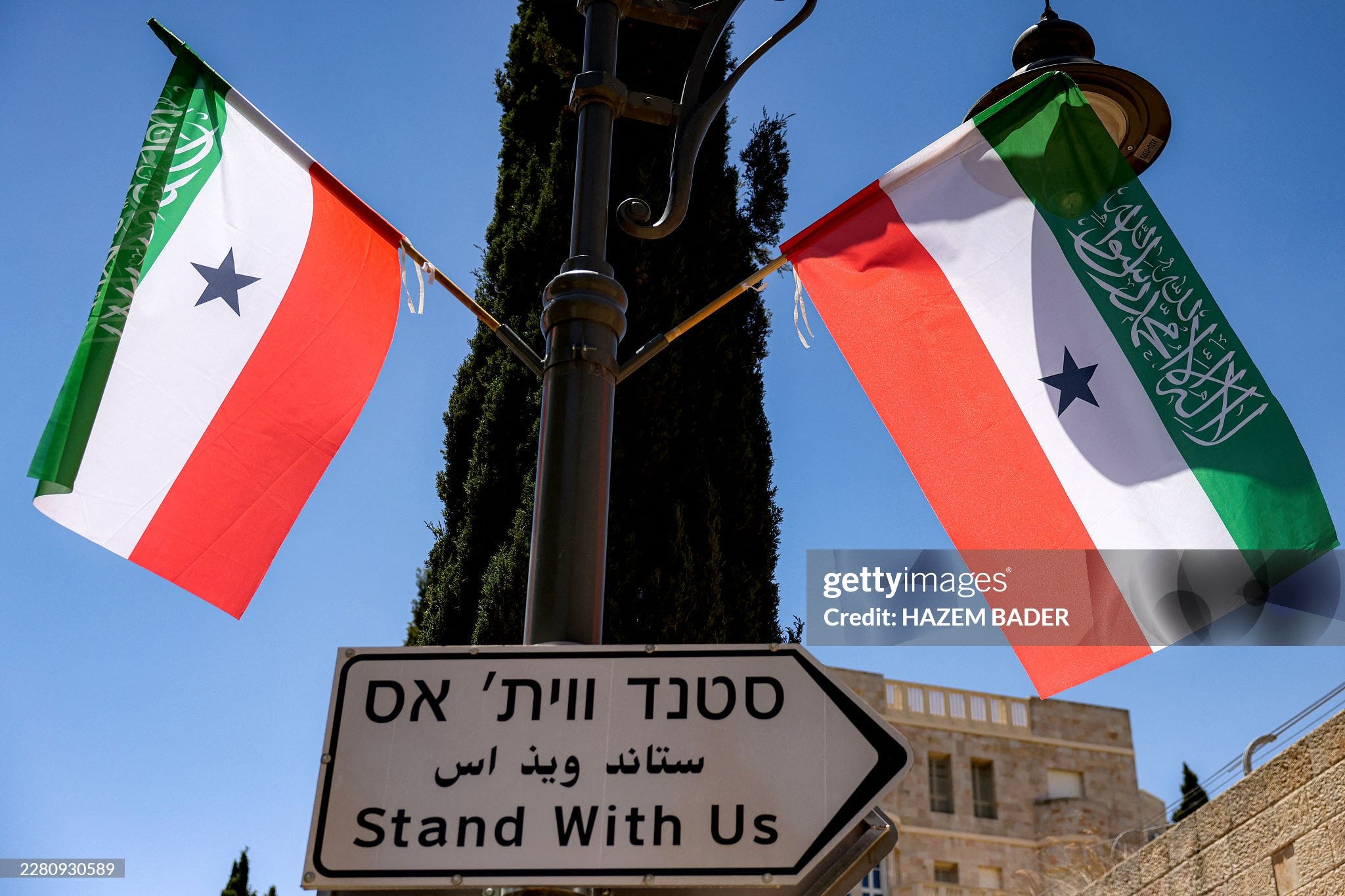
If the three countries can align these interests, Ethiopia could restore its regional power, Somaliland could begin to emerge from Somalia’s shadow, and Israel could turn its current foothold in Somaliland into lasting influence across the Horn of Africa. A new power axis may be waiting to take shape.
Contents
Ethiopia Needs the Sea to Escape the Cycle of Poverty and Conflict
Why Ethiopia Is the Missing Piece Israel and Somaliland Both Need
How Could a New Axis Change the Balance of Power in the Horn of Africa?
1. Ethiopia Needs the Sea to Escape the Cycle of Poverty and Conflict
Ethiopia is the most populous country in the core Horn of Africa, has a long history of statehood, once played a major role in regional security, and hosts the headquarters of the African Union. But since Eritrea gained independence in 1993, a country of more than 130 million people has had no coastline and has depended heavily on Djibouti for access to global trade.
This is more than a geographic problem. Ethiopian goods must pass through another country’s infrastructure and territory before reaching international markets. Transport costs, procedures, delays, and dependence on a single main corridor all make goods more expensive, weaken business competitiveness, and limit industrialization.
The effects then spill into domestic politics. Ethiopia has long-standing ethnic, regional, and political divisions, and a struggling economy makes those tensions even harder to manage. When resources are limited, regions and political elites compete more intensely over budgets, land, investment, and power. Faster economic growth would not erase those divisions, but it would give the government more money to create jobs, build infrastructure, distribute economic gains across regions, and ease grievances.
Access to the sea could therefore affect Ethiopia on two levels. Economically, Addis Ababa would reduce its dependence on Djibouti and gain more logistics options. Politically, a larger economy would give the government more tools to manage domestic instability.
If Ethiopia gained an additional corridor through Somaliland, Djibouti would also lose its near monopoly. Transport routes would have to compete on price and service quality, Ethiopian businesses would gain alternatives, and foreign investors would have more reason to believe that a factory deep inside Ethiopia could still reach global markets at a reasonable cost.
A richer and more stable Ethiopia would also have a chance to restore influence lost during years of internal conflict. That is why Addis Ababa increasingly sees access to the sea as a strategic interest directly tied to the country’s future.
2. Egypt Is Building a Structure to Contain Ethiopia
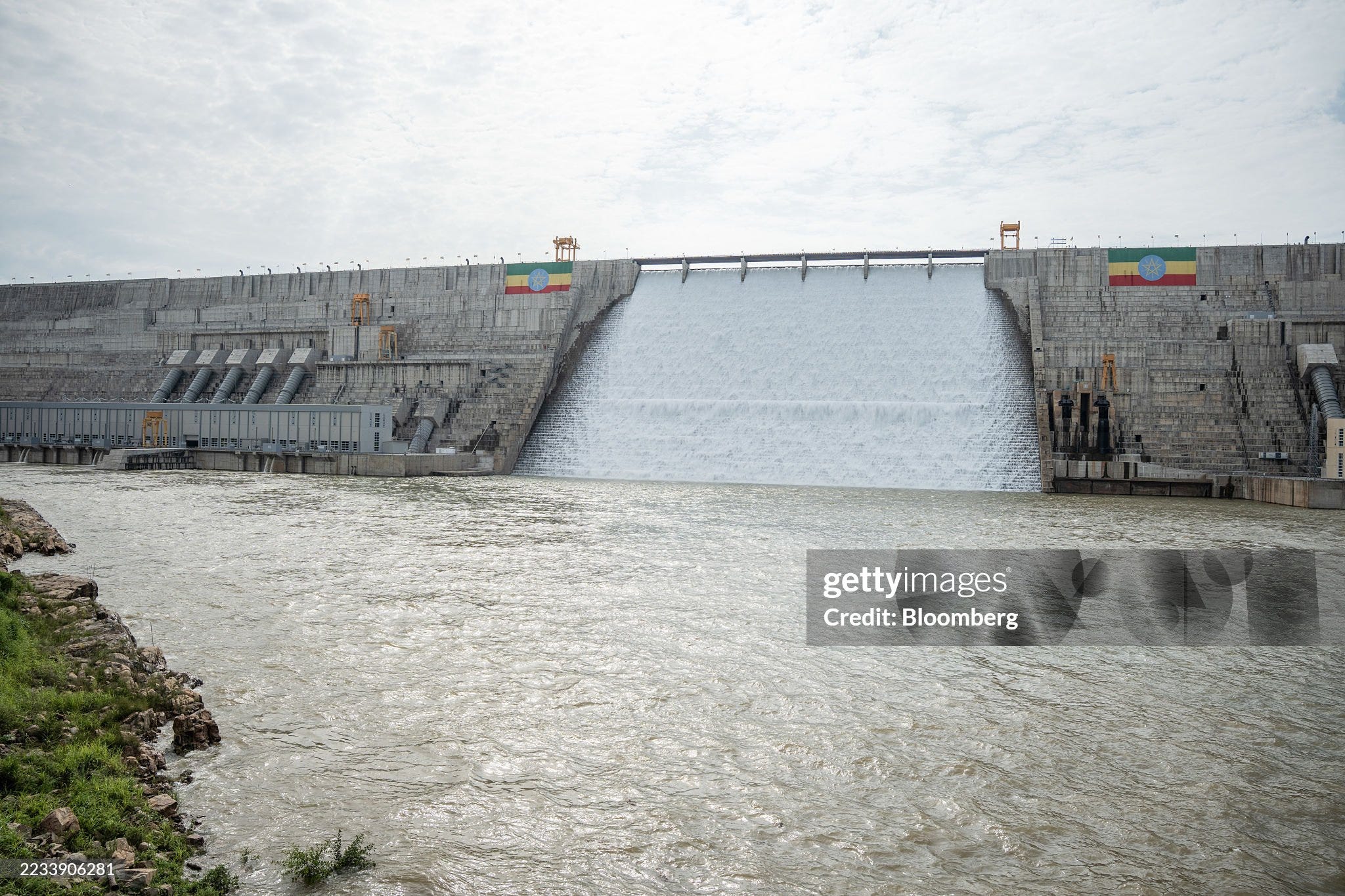
That ambition is bringing Ethiopia into increasingly sharp competition with Egypt. The first source of tension is the Nile. Ethiopia sits upstream on the Blue Nile and has built the Grand Ethiopian Renaissance Dam (GERD), while Egypt lies downstream and depends heavily on the Nile for its water supply. Cairo therefore has strong reasons to prevent Ethiopia from gaining too much unilateral control over the water before it reaches Egypt.
The Red Sea adds another layer of competition. If Ethiopia can strengthen its autonomy over the Nile while also securing long-term access to the sea, Addis Ababa would remove two of its biggest geopolitical constraints at the same time. Ethiopia could then convert its population and economic scale into far greater regional power than it possesses today.
Egypt has found partners with overlapping interests. Eritrea is wary of Ethiopia’s maritime ambitions and particularly sensitive to any discussion involving Assab. Somalia opposes Addis Ababa making direct agreements with Somaliland. Sudan also has its own disputes and interests involving Ethiopia.
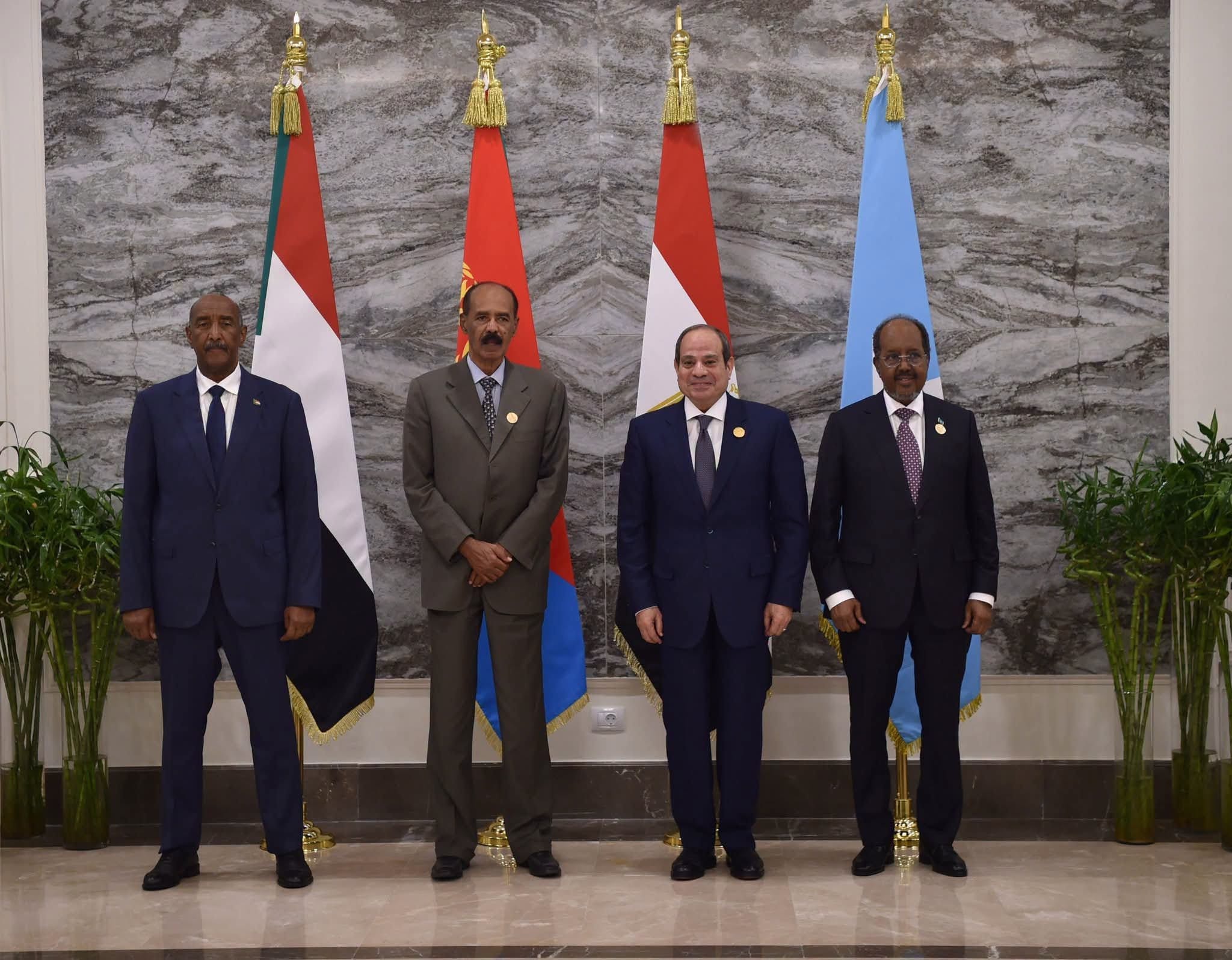
On October 4, 2026, the leaders of Egypt, Eritrea, Sudan, and Somalia met in New Alamein. The issues on the agenda included Somali sovereignty, transboundary water, and Red Sea governance. All of them directly constrain Ethiopia’s strategic room for maneuver.
Cairo is becoming the central node connecting countries that each have their own reasons to contain Addis Ababa. Ethiopia, meanwhile, is still dealing with internal conflict while relations with Eritrea are deteriorating to dangerous levels. A large but landlocked country is facing pressure from several directions at the same time that its domestic strength is being eroded. That is why a deeper relationship with Israel could become increasingly attractive to Addis Ababa.
3. Somaliland Has the Location but Lacks Legitimacy and Power
Somaliland stands on the opposite side of Ethiopia’s problem. Ethiopia has vast territory but no coastline, while Somaliland has an extremely valuable coastal position but lacks scale and international recognition.
Hargeisa declared independence from Somalia in 1991 and has since operated in practice as a separate state, with its own government, security forces, currency, and institutions. At various points Somaliland has been more stable than much of Somalia, but that stability has still not been enough to secure broad international acceptance as an independent country.
The lack of recognition limits access to capital, international institutions, state-to-state agreements, and long-term security guarantees. Somaliland can govern itself, but it continues to live under Somalia’s shadow and must always consider the possibility that Mogadishu could try to reassert control if the balance of power changes.
Ethiopia has long been the most natural partner capable of helping Somaliland change that position. The two sides came close to a major breakthrough on January 1, 2024, when they signed a memorandum of understanding concerning Ethiopian access to Somaliland’s coastline.
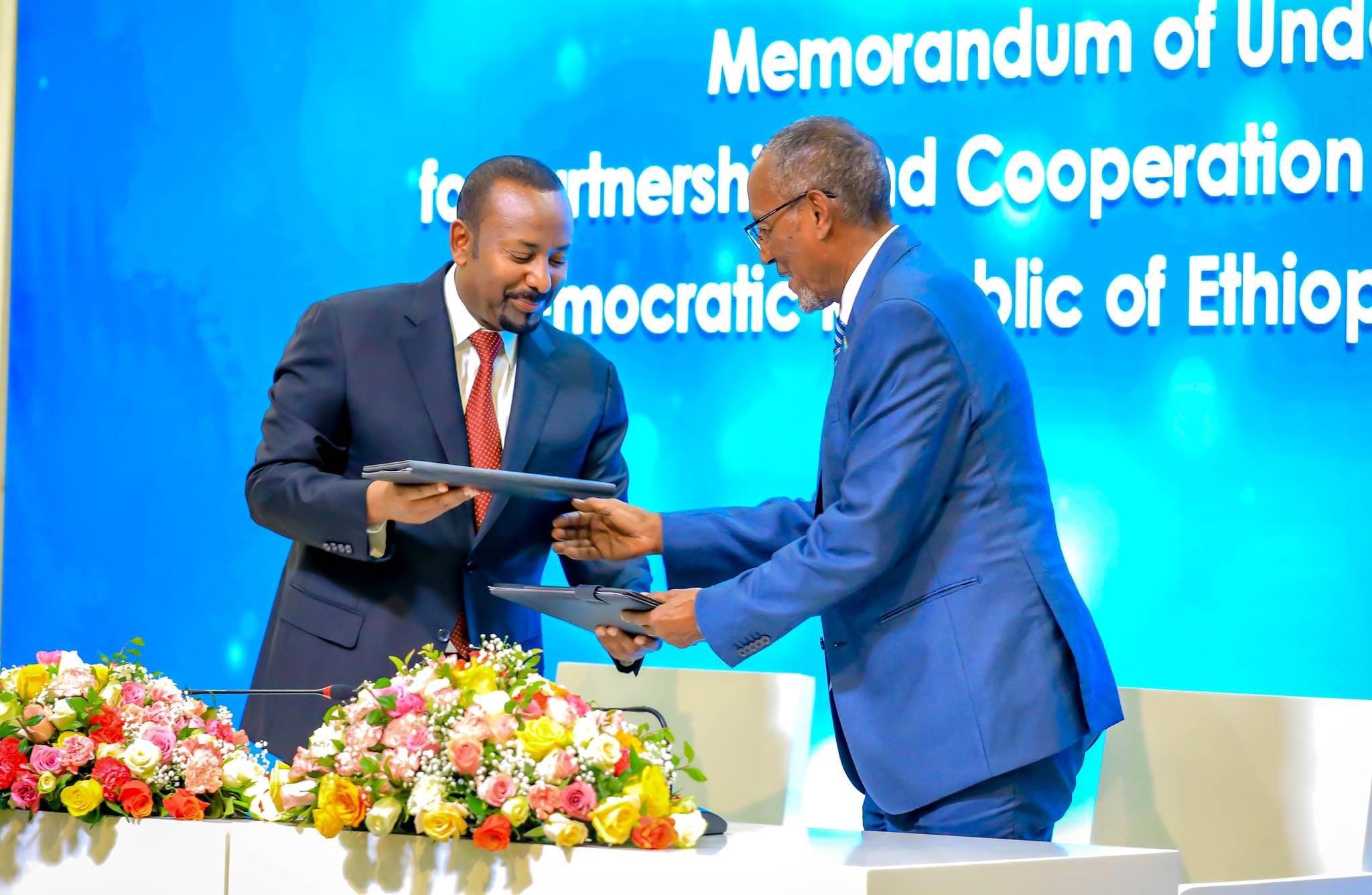
Somaliland said at the time that the agreement would eventually lead Ethiopia toward recognizing Somaliland. Addis Ababa publicly placed greater emphasis on sea access and cooperation with Hargeisa, while the full text of the agreement was never released. The political logic behind the deal, however, was clear: Somaliland wanted to use its geographic assets to gain recognition, while Ethiopia wanted to use its relationship with Somaliland to break out of its landlocked position.
Somalia reacted furiously, and Egypt quickly used the crisis to move closer to Mogadishu. Turkey later mediated between Ethiopia and Somalia through the Ankara Declaration in late 2024, putting the Addis Ababa-Hargeisa plan on hold.
But the reasons that brought the two sides together have not disappeared. Ethiopia still needs the sea, and Somaliland still needs recognition from an African country with enough political weight to matter.
4. Israel Has Moved Into the Strategic Opening in Somaliland
On December 26, 2025, Israel became the first country to formally recognize Somaliland as an independent and sovereign state. Jerusalem had clear geopolitical reasons to move first. Somaliland sits on the Gulf of Aden, across from Yemen and near the southern entrance to the Red Sea. The Houthis have demonstrated that a force located thousands of kilometers from Israel can still place direct pressure on Israeli trade and security by threatening shipping through Bab el-Mandeb.
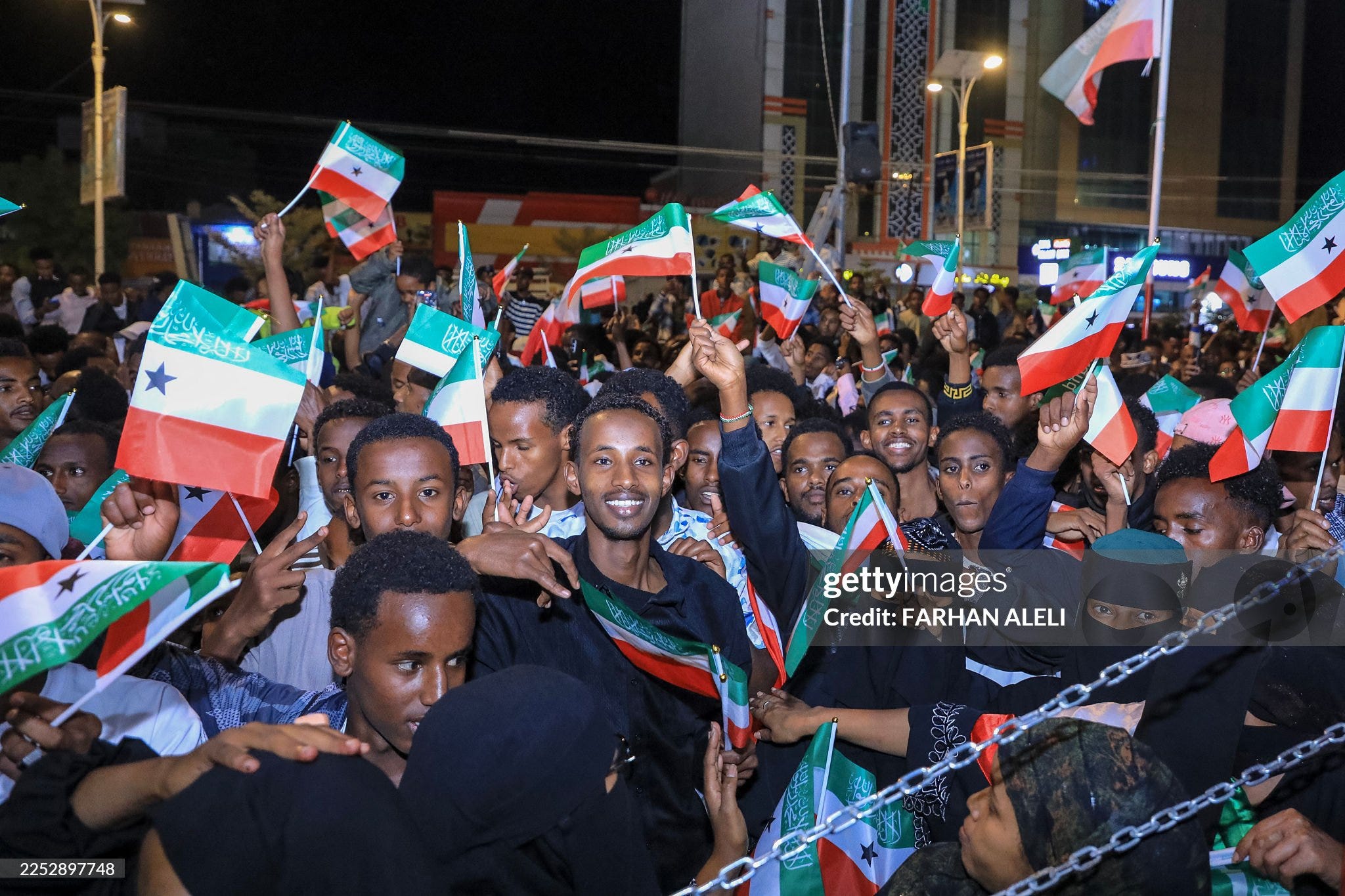
Israel has Eilat at the northern end of the Red Sea, but Yemen remains far away. A partner in Somaliland brings Israel much closer to the Gulf of Aden and the Houthis, creating better conditions for intelligence gathering, surveillance, UAV operations, and rapid response in the event of conflict.
The Israel-Somaliland relationship has also begun to move into the security sphere. In June 2026, Somaliland confirmed that Israel was training its military and police, although Hargeisa denied that it was negotiating an Israeli military base.
Israel therefore already has a new partner in a highly valuable location. But Somaliland on its own remains a small country, faces opposition from Somalia, and lacks the strategic depth needed to defend itself if it comes under a major attack from Somalia. That is where Ethiopia becomes crucial.
5. Why Ethiopia Is the Missing Piece Israel and Somaliland Both Need
Israel can provide Somaliland with intelligence, military technology, training, air defense, and diplomatic support. But Israel is far away. If Somaliland came under military pressure from Somalia or another force, Jerusalem could not respond on the ground with the speed and scale available to a neighboring state.
Ethiopia could fill that role. It sits directly behind Somaliland, has vast territory, a larger military, and land-based logistics networks connected directly to the region. A sufficiently deep security relationship with Addis Ababa would give Somaliland a nearby strategic rear if conflict broke out.
In that scenario, Israel and Ethiopia could play different roles. Israel could provide intelligence, technology, air defense, training, and strategic support. Ethiopia could provide logistics, ground forces, rear territory, and the ability to respond immediately within the region. Somaliland would no longer have to depend primarily on a powerful partner located far away.
This would also serve Israel’s interests directly. A Somaliland backed by Ethiopia would be much harder to isolate or defeat. Jerusalem could maintain its strategic position at the southern entrance to the Red Sea without having to carry the entire burden of Somaliland’s defense itself.
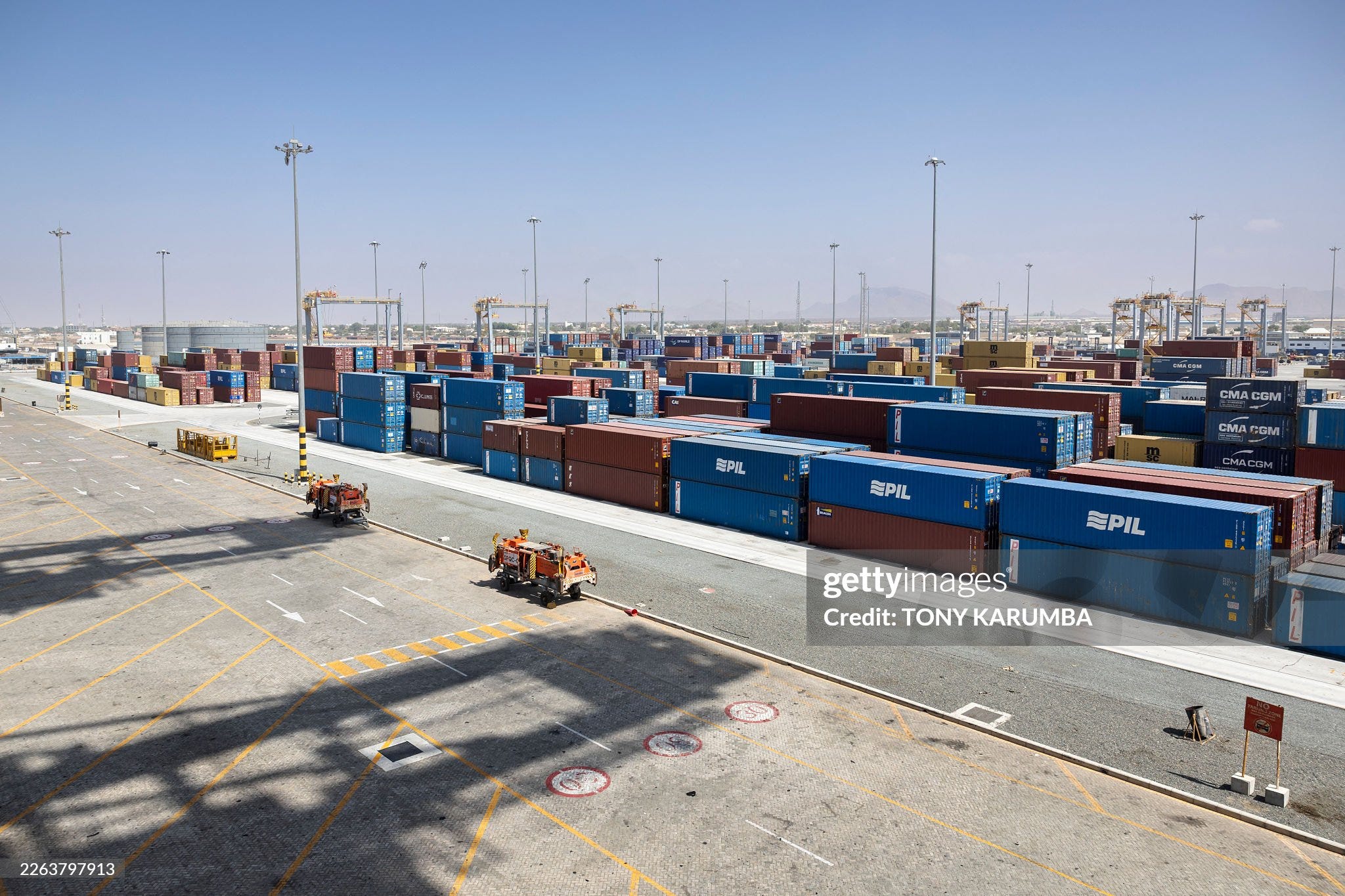
Ethiopia would also increase Somaliland’s economic value. Berbera currently serves a relatively small market, but if a significant share of Ethiopian trade shifted through the port, it could become a gateway for an economy of more than 130 million people. Somaliland would gain revenue, jobs, and economic interests directly tied to Ethiopia, while Israel would gain a more stable partner around which to build long-term influence.
This is the most important part of the triangle. Somaliland provides the location both Ethiopia and Israel need. Ethiopia provides the market and land-based security Somaliland lacks. Israel provides technology, security capabilities, and international networks that neither can easily build to the same level on its own.
6. Israel Should Bring Ethiopia and Somaliland Back Together
Israel is now in a rare diplomatic position. Jerusalem has long-standing relations with Addis Ababa while also being the first country to recognize Somaliland. Ethiopia and Somaliland already understand the benefits of cooperation, but the 2024 agreement showed how vulnerable a purely bilateral relationship can be to Somali opposition and Egyptian pressure.
Israel could help change that calculation by bringing both sides back to the negotiating table with a broader package. A new agreement should not revolve around a strip of coastline alone. Sea access, diplomatic recognition, trade, investment, and security cooperation should be placed within the same framework so that the interests of all three parties become tied together.
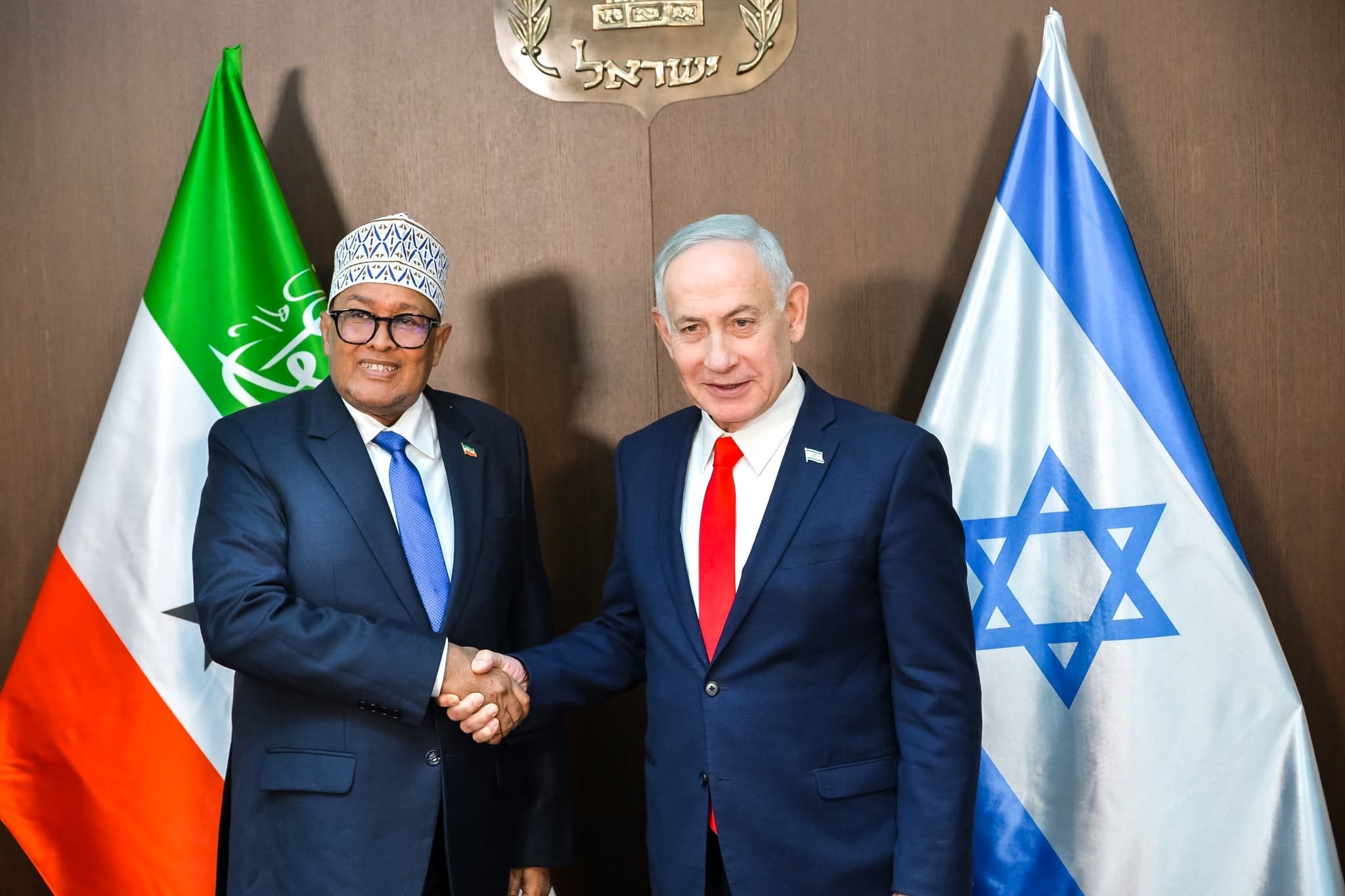
Ethiopia could recognize Somaliland and redirect part of its trade through Somaliland territory. In return, Somaliland could guarantee Ethiopia a stable, long-term corridor to the sea. Israel could support the arrangement through technology, intelligence, training, investment, and a security framework protecting both the trade corridor and Somaliland’s position.
Recognition from Ethiopia would be particularly important for Hargeisa. Israel has already broken the first barrier, but Ethiopia is Somaliland’s direct neighbor, the largest country in the core Horn of Africa, and Addis Ababa hosts the headquarters of the African Union. If Ethiopia recognized Somaliland, Israel’s decision would no longer stand as an isolated move by a Middle Eastern country. Somaliland would gain an African partner with enough political weight to force other governments to reassess their own positions.
Israel does not need to carry the entire burden in Somaliland by itself. A more effective strategy would be to bring Ethiopia back in, giving Somaliland a major ally directly across the border while Israel provides technology, intelligence, and strategic support from a distance.
7. How Could a New Axis Change the Balance of Power in the Horn of Africa?
Somalia would be the strongest opponent. Mogadishu considers Somaliland part of its territory and would view Ethiopian recognition of Hargeisa as an attempt to alter Somali sovereignty.
Egypt would also have strong reasons to prevent such a structure from emerging. An Ethiopia with additional access to the sea would weaken the effectiveness of Cairo’s containment strategy. If Addis Ababa also received technology and support from Israel while Somaliland became an eastern commercial rear, Ethiopia would gain more room to resist pressure from the network being built around Egypt.
Eritrea faces a more complicated calculation. A route through Somaliland could reduce Ethiopia’s need for Assab and therefore remove one potential source of direct confrontation. But a less dependent, wealthier Ethiopia with an additional strategic relationship with Israel would also become a stronger rival over the long term.
Israel should therefore avoid turning the new structure into an openly anti-Egyptian alliance. Security relations between Jerusalem and Cairo remain highly valuable to both sides. Cooperation with Ethiopia and Somaliland can instead be built around trade, maritime security, counterterrorism, and stability in the Horn of Africa, while the practical result would still be to reduce Ethiopia’s isolation.
If this structure takes shape and proves durable, its greatest value will lie in what it makes possible next. Israel could use the Horn of Africa as a platform for expanding its influence deeper into the continent and taking a more direct role in Africa’s security, trade, and political affairs. Over the longer term, this could become one of the steps that allows Israel to move beyond its role as a regional Middle Eastern power and closer to becoming a major power with influence on the international stage.