


On September 30, 2026, the United States completed the withdrawal of forces associated with Operation Inherent Resolve from Iraq. Twenty-three years have passed since the 2003 invasion. Saddam Hussein is long gone, and ISIS no longer controls vast territories, but power inside Iraq remains divided among Baghdad, the Kurdistan Region, and various political and armed forces. Washington has also failed to create an Iraq fully aligned with the United States. Iran retains deep influence in Iraqi politics and over some Shia armed groups, while Baghdad still does not hold a complete monopoly over the use of force.
The United States was powerful enough to destroy Saddam Hussein’s regime within weeks, but building a new order strong enough to replace Saddam became a problem that lasted more than two decades.
To assess Washington’s 2003 decision, it is not enough to look only at what happened after the invasion. The opposite questions must also be asked: What would the United States have had to pay if Saddam had remained in power? What strategic benefits could Washington gain if it turned Iraq into a stable country that cooperated with the United States? And just as importantly, did Washington fully understand the political and social structure it was preparing to dismantle?
Table of Contents
Before Overthrowing a Regime, Understand What Lies Beneath It
Iraq Was Difficult to Shape Because Saddam Ruled a Deeply Fragmented Society
Iran Lost an Adversary but Also Faced Greater U.S. Military Pressure
Why Did the United States Withdraw in 2026 if Iraq Still Mattered?
1. How 9/11 Changed the Way the United States Viewed Threats
The Iraq War cannot be fully understood without considering September 11, 2001. Before the terrorist attacks, Washington had already viewed Saddam Hussein as a long-term problem, but primarily dealt with him through containment. After 9/11, the way the United States calculated risk changed.
The Bush administration’s 2002 National Security Strategy stated that the United States could not rely solely on retaliation after being attacked. When dealing with terrorist organizations and governments Washington considered hostile that were seeking weapons of mass destruction, the consequences of waiting could be too great. Washington therefore argued that in some circumstances, the United States needed the ability to act before a threat fully developed.
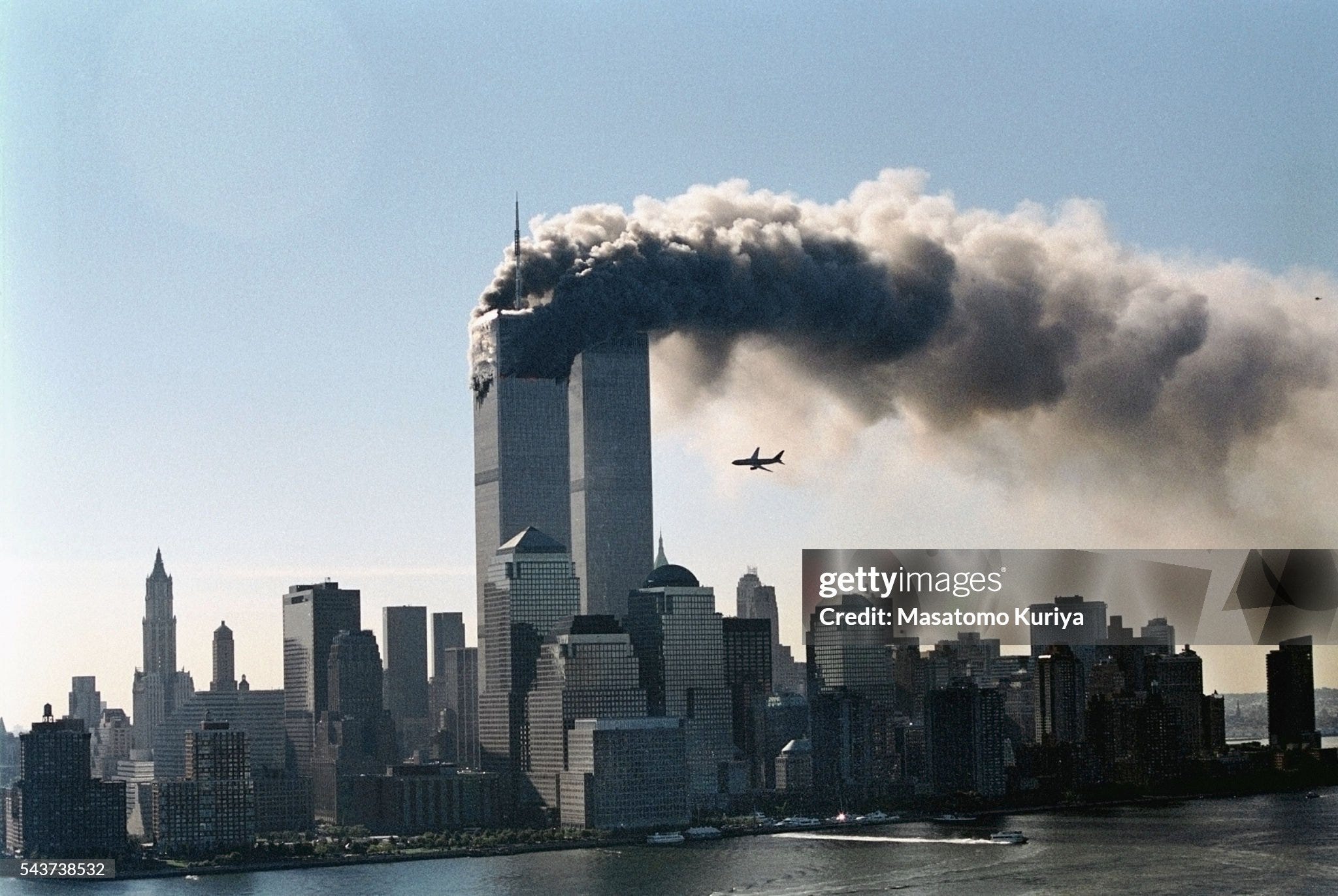
Afghanistan was the first place where this new thinking was applied. The Taliban sheltered al-Qaeda, al-Qaeda carried out the 9/11 terrorist attacks, and Washington launched its military campaign in Afghanistan in October 2001.
Iraq was different. Saddam Hussein was not behind 9/11. The 9/11 Commission later found that contacts had existed between Iraq and al-Qaeda, but it found no credible evidence that Saddam had participated in attacks against the United States.
After 9/11, however, the question in Washington was no longer simply whether Saddam was preparing an immediate attack on the United States. The question became whether the United States should continue accepting the existence of a government that had waged war against its neighbors, used chemical weapons, and previously developed weapons of mass destruction programs. Iraq shifted from being a problem to contain into a risk the Bush administration wanted to address before it had the chance to become more dangerous.
2. Leaving Saddam in Power Also Had a Cost
Judging the Iraq War only by the losses that followed 2003 can create a false comparison: War had costs, while avoiding war did not.
In reality, keeping Saddam in power meant the United States would have had to maintain a containment system with no clear end date. After the 1991 Gulf War, Washington and London maintained no-fly zones, regular military operations, economic sanctions, weapons inspections, and military forces in the region to prevent Baghdad from rebuilding its ability to threaten neighboring states.
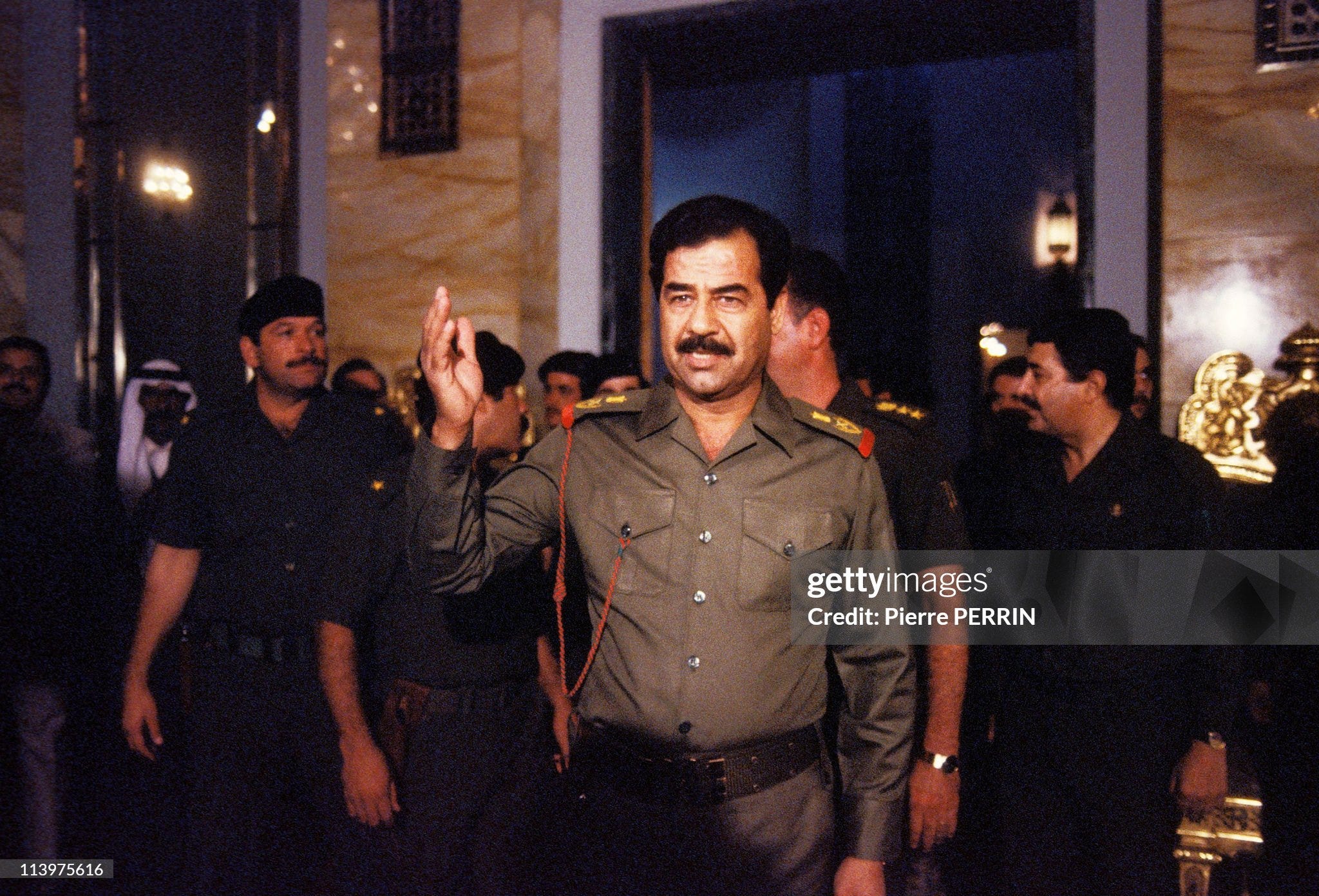
The reasons for this system were not hypothetical. Saddam invaded Kuwait in 1990 with roughly 100,000 troops and later launched missiles at Israel and coalition bases in Saudi Arabia. The containment policy after 1991 significantly weakened Iraq, but its success depended on the United States continuing to maintain pressure.
By the early 2000s, Saddam no longer possessed the military power Iraq had in 1990. Iraq in 2003 was not a regional power preparing to sweep into the Gulf. But Washington still had to protect Kuwait, maintain forces in the region, and ensure that Saddam did not regain the opportunity to rebuild his strength if sanctions and inspections weakened.
The real choice, therefore, was not between “attacking Saddam” and “leaving everything peaceful.” It was between indefinitely managing a hostile government or removing that government and accepting responsibility for the order that would emerge after Saddam.
3. Iraq Has Enormous Strategic Value for the United States
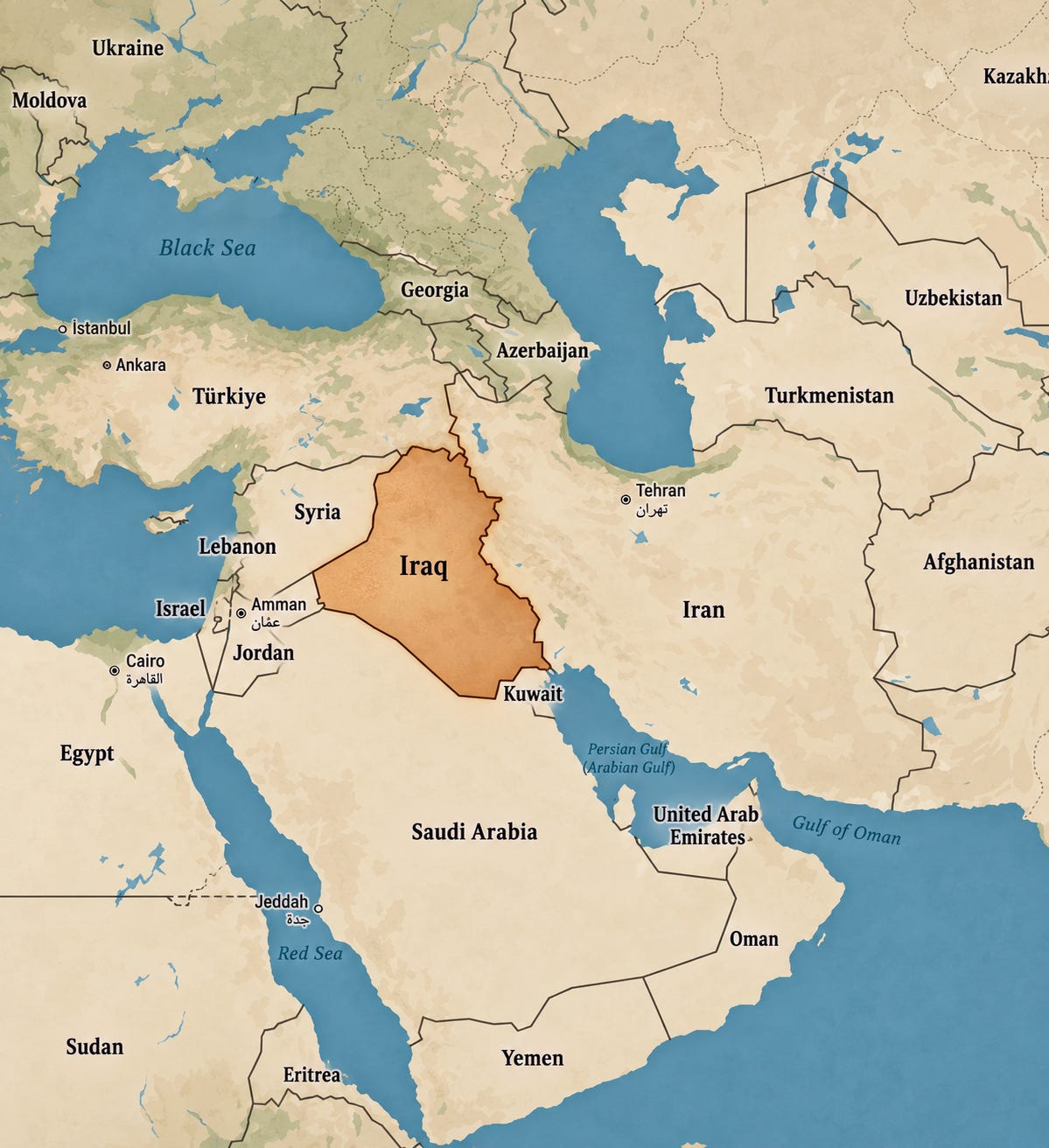
Iraq mattered for reasons that extended far beyond Saddam. Geography gives the country exceptional strategic value to any major power seeking to influence the Middle East.
Iran lies to Iraq’s east. Syria and Jordan lie to the west. Turkey is to the north. Saudi Arabia and Kuwait are to the south. Iraq sits between the Persian Gulf and the Levant while also possessing about 145 billion barrels of proven oil reserves, placing it among the largest oil reserve holders in the world.
A Baghdad that cooperated with Washington could therefore generate influence far beyond Iraq’s borders. Iran is the clearest example. After the Taliban was overthrown in 2001, U.S. forces were present in Afghanistan to Iran’s east. After 2003, U.S. forces were also present in Iraq to Iran’s west, while to the south stood the broader network of American forces and bases in the Gulf. During the first years after the invasion, Tehran had to account for a U.S. military presence on multiple fronts at the same time.
A non-hostile Iraq also significantly reduced the threat to Kuwait and Saudi Arabia. Washington no longer had to contend with the possibility that a government in Baghdad resembling Saddam’s would once again use military force to alter the balance of power in the Gulf.
Iraq also lies along the geographic route connecting Iran to Syria. A strong Baghdad independent of Tehran could make it more difficult for Iran to build a continuous corridor of influence from Iranian territory through Iraq and Syria to Lebanon.
Oil also needs to be placed in its proper context. There is no basis for reducing the war to the claim that “the United States invaded Iraq to take its oil.” The United States did not turn Iraqi oil fields into American property. But a country possessing one of the world’s largest oil reserves clearly has strategic importance for global energy markets and the balance of power in the Gulf.
Iraq in 2003 was therefore both a security problem and a geopolitical opportunity. Removing Saddam opened the possibility of transforming a long-standing adversary into a component of a regional order more favorable to the United States.
4. Why Did Washington Decide to Overthrow Saddam?
Saddam’s record gave arguments for military action considerable weight in the American political environment after 9/11. Iraq had fought a war against Iran, invaded Kuwait, used chemical weapons, and repeatedly confronted international monitoring mechanisms. The Bush administration also believed that Iraq still maintained or could rapidly rebuild weapons of mass destruction programs.
Weapons of Mass Destruction, or WMD, refers primarily to nuclear, chemical, and biological weapons.
WMD later became the weakest part of the prewar case. The United States did not find active stockpiles of weapons of mass destruction on the scale Washington had anticipated. The U.S. Senate Intelligence Committee concluded that several important assessments in the 2002 intelligence estimate had been overstated or were not adequately supported by the underlying intelligence. The committee also identified a tendency toward consensus within the intelligence community, with analysts assuming that Iraq still maintained active WMD programs and interpreting ambiguous information through that assumption.
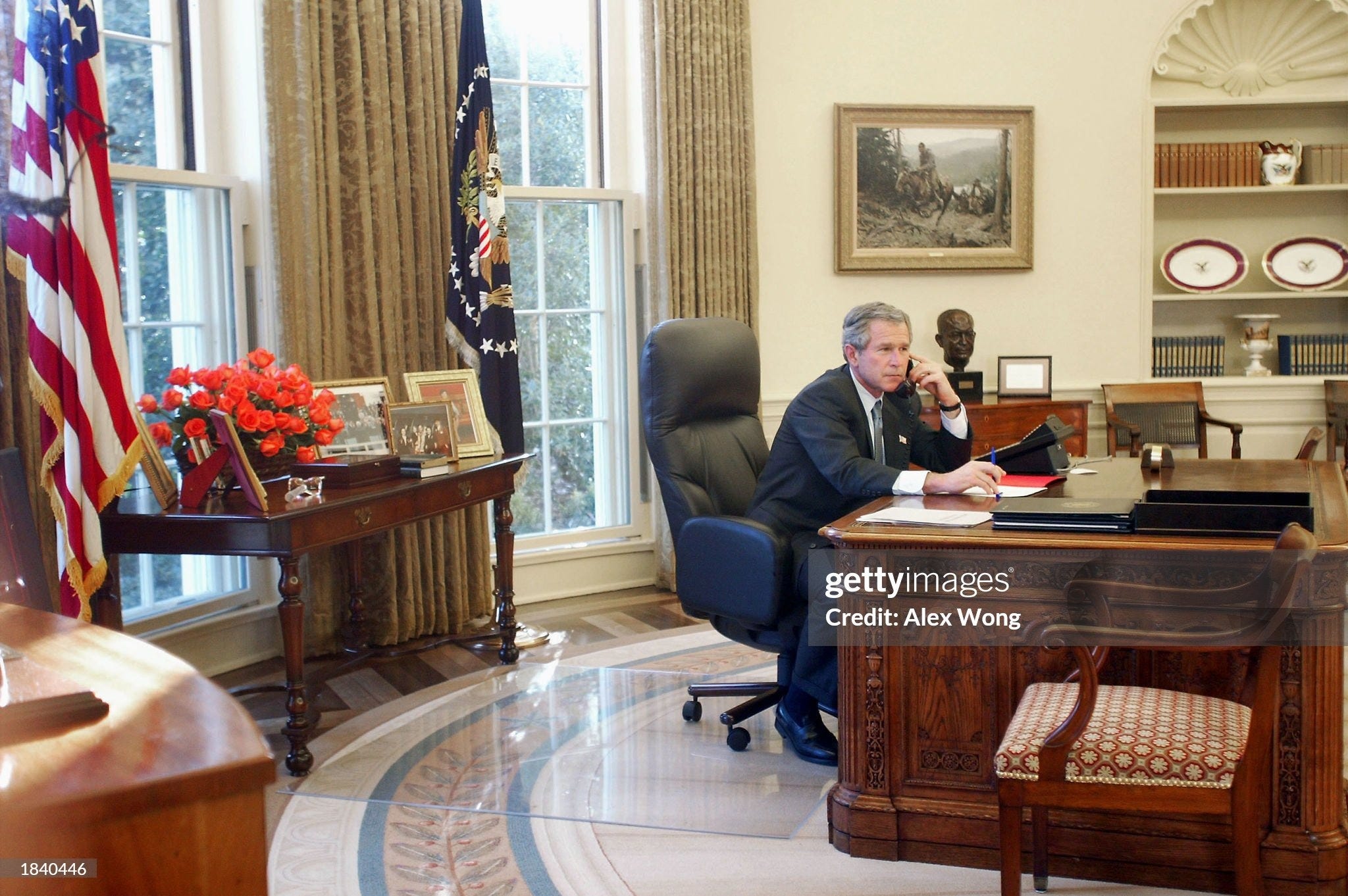
This meant that the immediate threat posed by Iraq had been overstated. But the 2003 decision did not rest solely on the question of WMD stockpiles. It was part of a broader calculation: Washington wanted to end the indefinite containment of Saddam, remove a source of instability that had already launched wars in the Gulf, and create an opportunity to build a new Iraq that would fit more favorably into the U.S.-led regional security structure.
The invasion then demonstrated the enormous imbalance of military power. Saddam’s government collapsed within weeks. An adversary that had remained a problem for more than a decade after the Gulf War disappeared. The United States gained a direct military position in the center of the Middle East and significantly increased its ability to pressure regional adversaries. But overthrowing Saddam turned out to be the easy part.
5. America’s Biggest Miscalculation Came After Victory
Washington prepared extremely well to defeat Saddam’s military. The United States was far less prepared to manage Iraq once the old central government disappeared.
RAND Corporation, a U.S. strategic research institution, later assessed that postwar planning had relied on assumptions that the security environment would remain relatively permissive and that Iraqi police could maintain order. Reality moved in the opposite direction. Security deteriorated rapidly, while the remaining police and security forces were unable to contain rising crime and political violence.
The Iraqi military disintegrated during the war and was later formally dissolved by the Coalition Provisional Authority, or CPA, under CPA Order Number 2. Many senior Baath Party members were removed from government institutions. The police were not dissolved in the same way but were severely weakened during the chaotic first weeks.
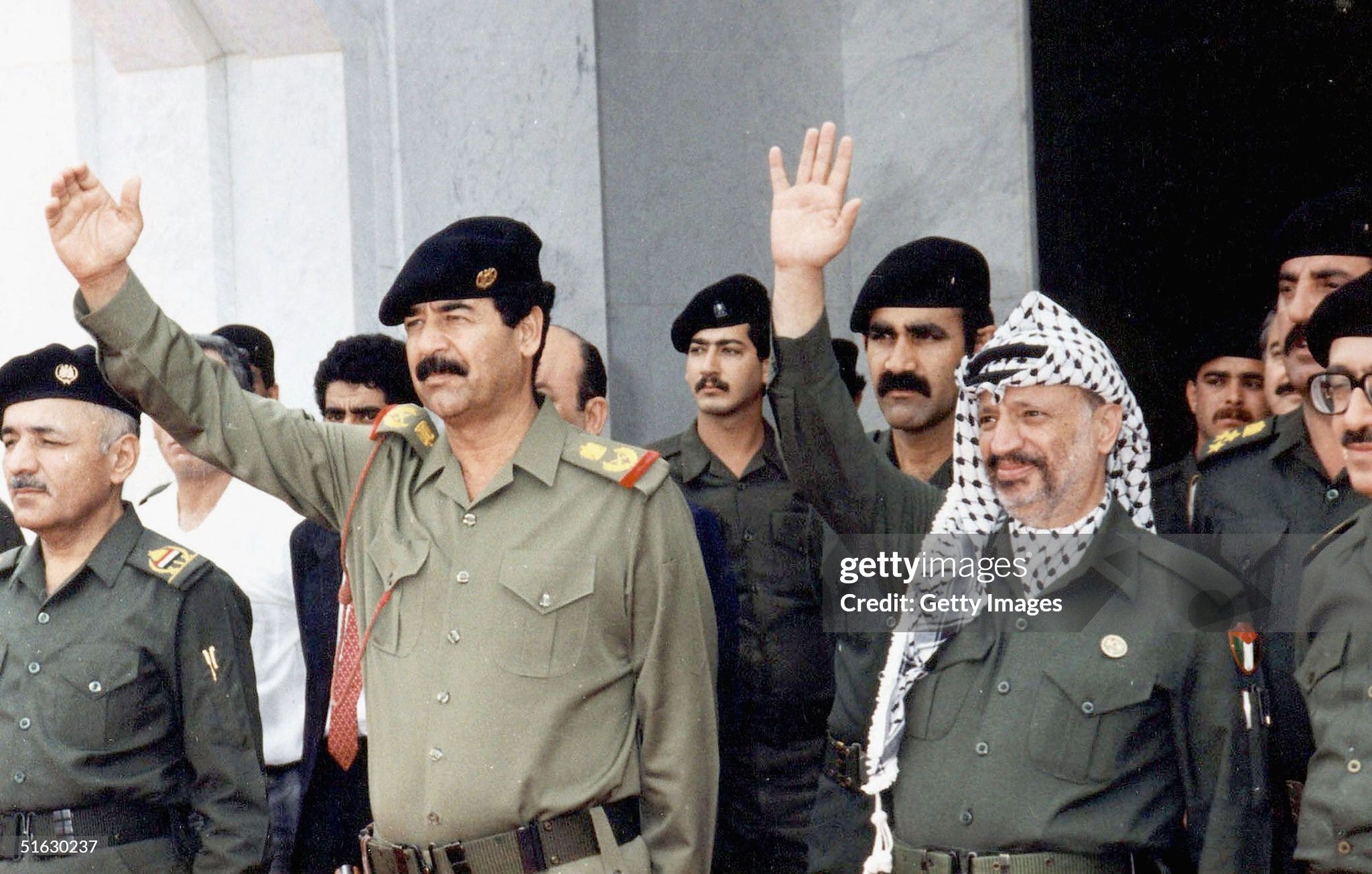
The central mistake was not simply the decision to dissolve the Iraqi army. Washington had reasons to fear that restoring Saddam’s military intact would lead Shia and Kurdish communities, which had suffered under that apparatus, to believe that the old order was returning. The larger problem was that the United States removed a major part of the old coercive structure without having a sufficiently strong replacement ready to take over immediately.
A force designed to advance, destroy the enemy’s military, and seize strategic objectives suddenly had to perform a completely different mission: protect neighborhoods, weapons depots, infrastructure, roads, borders, ministries, and maintain public order across an entire country.
As security deteriorated, insurgent groups had time to build networks. The United States repeatedly demonstrated that it could enter an area and drive the enemy out, but often lacked the forces necessary to hold that territory for long enough. The Iraq Study Group described the problem directly in 2006: U.S. forces could clear an area, but there were not enough American troops or sufficient Iraqi support to hold every area that had been cleared.
If one miscalculation must be identified above all others, it was Washington’s underestimation of the scale of the postwar mission. The United States brought enough power to destroy Saddam’s government but was not adequately prepared for the vacuum that emerged after it disappeared.
6. Before Overthrowing a Regime, Understand What Lies Beneath It
Washington’s miscalculation therefore went beyond troop numbers or deployment methods. A more fundamental question must be asked before deciding to use military force to overthrow any government: What kind of society is that government holding together?
How many centers of power exist within the country? How many political, ethnic, religious, or tribal factions are there? Do these factions merely disagree over policy, or do they see one another as existential threats? Do they possess their own armed forces? Does central authority rest on consent and institutions, or primarily on coercion?
These questions strongly shape what happens on the day the central government collapses. Overthrowing a government through military force and building a stable political order afterward are two completely different missions. A regime can be defeated within weeks, but if it has been using concentrated power to hold rival factions inside the same state, its collapse can simultaneously release every power struggle that had previously been suppressed.
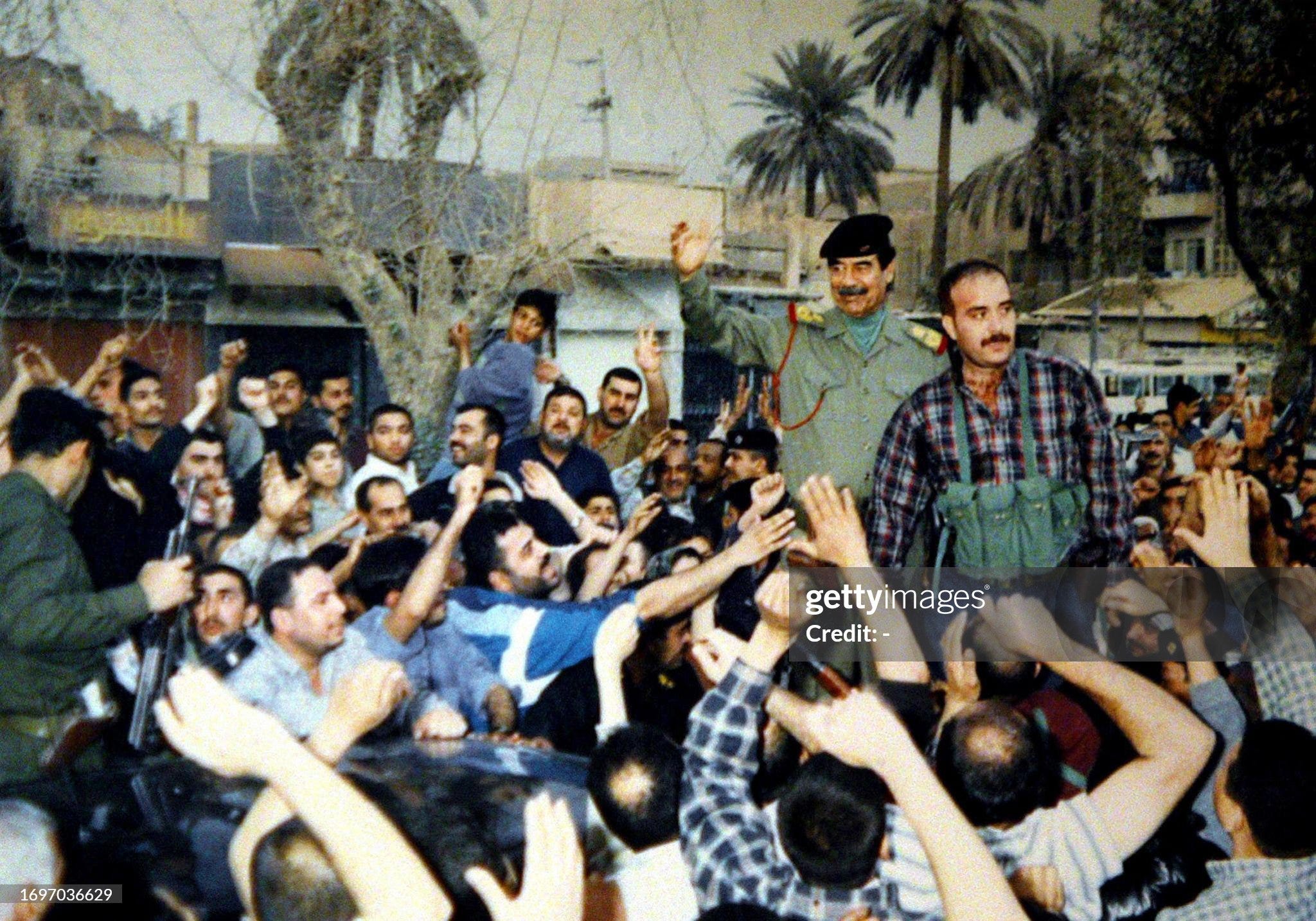
A country with a weak military is therefore not necessarily easy to occupy or reconstruct. In some cases, the most fragmented countries can become the most difficult postwar environments to control.
Before launching a regime-change operation, the question should not only be, “How long will it take to defeat the enemy’s military?” The more important question is: “Who will control the country the next day?” Which factions will accept the new order? Which will consider it a threat? Who will control armed forces? Who will protect minority groups? Who will control revenue, oil, budgets, and ministries? And what force will be strong enough to keep the state functioning during the transition?
Iraq is a particularly clear example. The United States prepared to defeat Saddam Hussein, but it did not fully appreciate how difficult it would be to replace the political system that had held Shia, Sunni, Kurds, tribes, and multiple political networks within the same state structure.
This is one of the main reasons the post-Saddam problem lasted more than two decades rather than ending within months of the regime’s collapse. U.S. forces were not continuously present throughout that entire period. Washington withdrew most of its forces in 2011 and returned in 2014 after ISIS seized large areas of territory. The fact that the United States had to return demonstrated that the post-Saddam problem had not ended when Saddam fell.
7. Iraq Was Difficult to Shape Because Saddam Ruled a Deeply Fragmented Society
Iraq was especially difficult to reconstruct because Saddam did not rule a homogeneous society. Most Iraqis are Shia. Arab Sunnis had occupied a major position in the old power structure. The Kurds have a distinct national identity, autonomous territory, and their own Peshmerga armed forces. Beneath these major communities are tribes, political parties, clerics, political families, and local patronage networks.
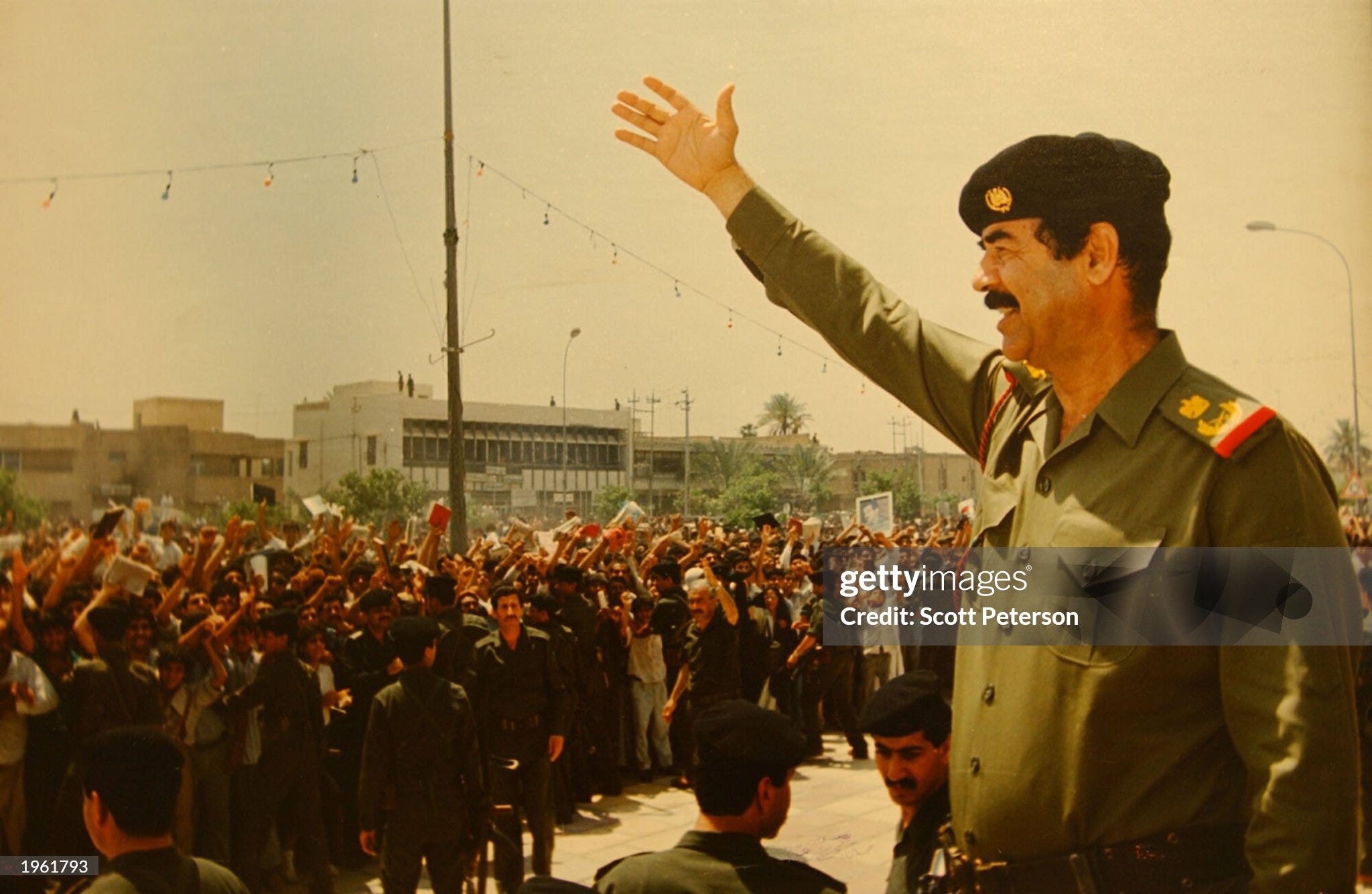
Saddam did not resolve these divisions. He placed an extremely powerful center of authority above them. The Baath Party, military, Republican Guard, intelligence agencies, security forces, and family networks created a system in which opponents found it extremely difficult to accumulate enough power to challenge Baghdad. Order existed, but it depended heavily on coercion and repression.
Once Saddam disappeared, forces that had previously been suppressed began competing directly over who would control the new Iraq. Elections did not erase these identities. In many cases, they transformed them into political structures. Shia political forces organized around Shia parties. Kurdish parties dominated politics in Kurdistan. Sunni forces had to rediscover their place after losing the privileged position they had enjoyed under Saddam.
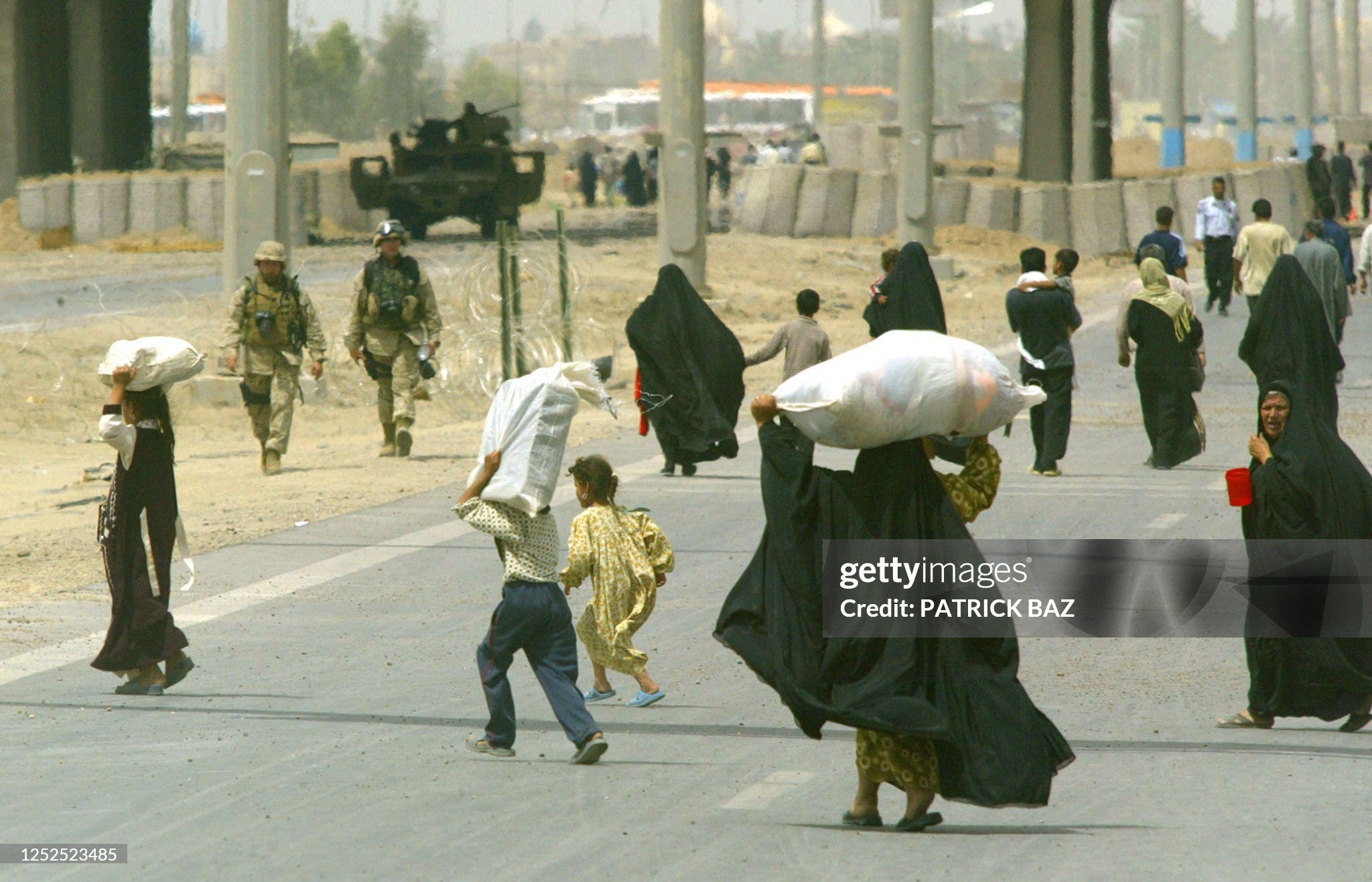
This created a deeper problem. If losing an election only means losing some seats in parliament, factions can accept the result. But if a faction believes that losing political power also means losing the ability to protect itself from its rivals, the incentive to retain independent armed forces becomes much stronger.
That is why Iraq does not contain only political parties. Some centers of power also maintain armed forces, economic networks, and relationships with foreign states. The Kurds have the Peshmerga, the armed forces of the Kurdistan Region. The Popular Mobilization Forces are an umbrella structure containing multiple forces that expanded dramatically after the rise of ISIS in 2014. The PMF was incorporated into Iraq’s formal security structure, but many units retain varying degrees of autonomy, while some Shia factions within the organization maintain deep relationships with Iran.
Iraq’s problem is therefore not simply democracy versus dictatorship. The challenge is to build a state strong and credible enough that rival factions believe they can place their weapons under Baghdad’s authority without fearing that Baghdad could later fall into the hands of an adversary and turn those institutions against them. Saddam solved that problem through absolute power. The post-Saddam system had to find another way.
8. Iran Lost an Adversary but Also Faced Greater U.S. Military Pressure
One common interpretation of the Iraq War is that the United States overthrew Saddam and inadvertently handed Iraq to Iran. That view captures only part of the longer-term development.
Saddam was clearly a major counterweight to Tehran. Iraq and Iran fought an eight-year war. When Saddam disappeared, Tehran lost a major military adversary on its western border.
But at the same time, the U.S. military appeared inside Iraq. After the Taliban was removed in 2001 and Saddam was removed in 2003, Iran faced American forces in Afghanistan to the east and Iraq to the west, while to the south remained the U.S. fleet and network of military bases across the Gulf. In the short term, this represented a major increase in Washington’s ability to apply military pressure to Tehran. Overthrowing Saddam therefore did not simply hand Iran an immediate strategic gift.
Tehran’s advantage became clearer later, as Washington proved unable to completely shape Iraq’s new political system. Many Shia parties that Saddam had repressed had lived in exile or maintained long-standing relationships with Iran. As elections brought Shia political forces to the center of Iraqi politics, Tehran gained channels of influence that Saddam’s regime had previously prevented from operating.
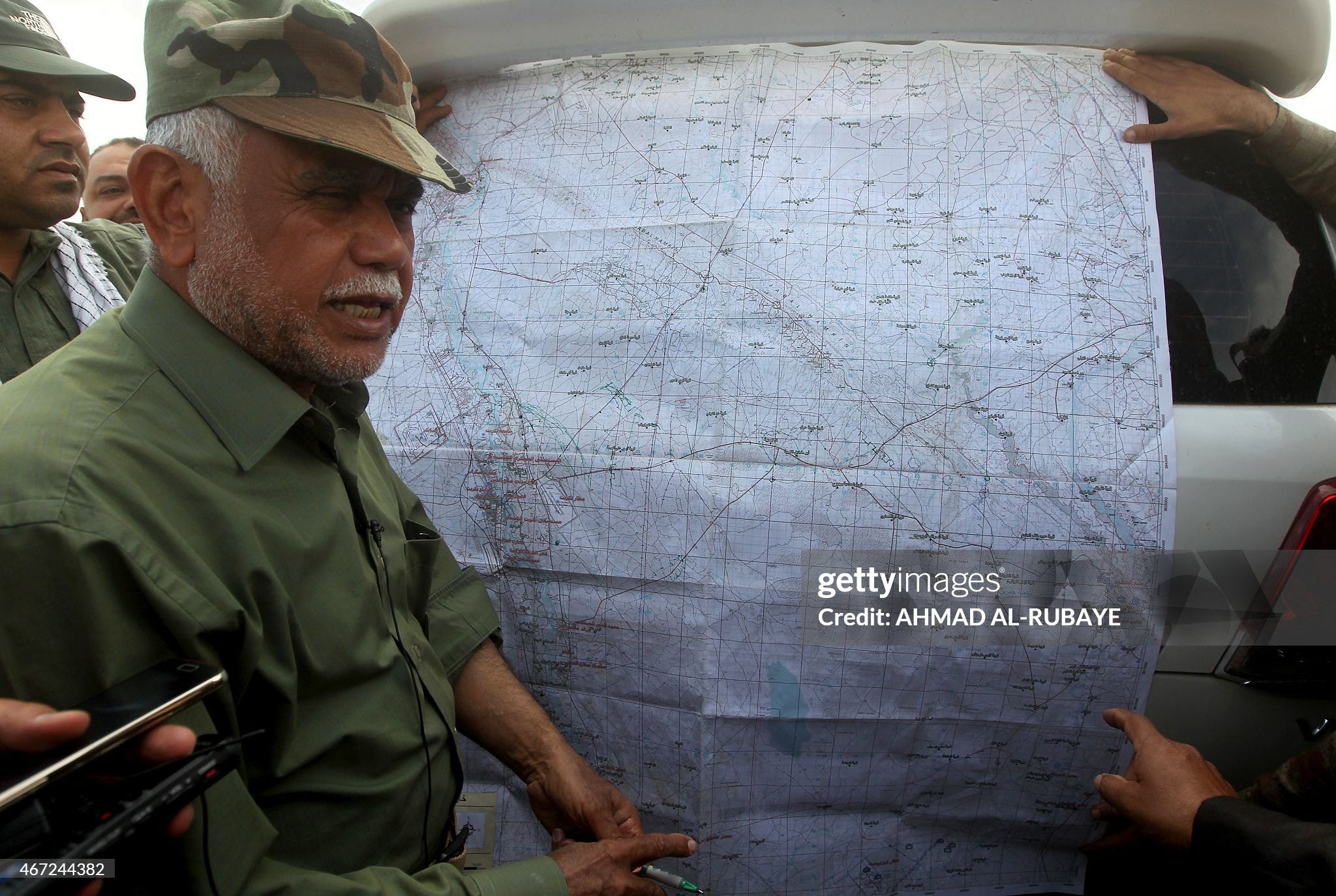
The rise of ISIS after 2014 accelerated this process. When Mosul fell and multiple Iraqi military units collapsed, Baghdad had to mobilize forces under the Popular Mobilization Forces to fight ISIS. Many of these groups fought for Iraqi security, but some hard-line Shia factions maintained deep relationships with Tehran. By 2026, the influence of Iran-aligned forces remained a major issue within Iraq’s political and security structure, while the U.S. withdrawal increased concerns that these groups would gain additional room to operate.
The effect of Saddam’s removal on Iran therefore unfolded in two stages. In the first stage, the United States moved military power directly to Iran’s border and created enormous pressure. In the second, Tehran exploited Iraq’s internal fragmentation to build influence from within the new political and security system.
9. Washington Eventually Found a Way to Reduce the Violence
By 2006, Iraq had entered an extremely dangerous period. A Sunni insurgency, al-Qaeda in Iraq, Shia militias, and sectarian violence were all expanding. Washington was forced to acknowledge that its existing deployment strategy was insufficient.
The 2007 Surge is often understood simply as the deployment of roughly 30,000 additional U.S. troops. But the more important change was how those troops were used. American forces moved deeper into residential areas, established joint security stations with Iraqi forces, and remained in areas they had secured rather than repeatedly withdrawing to large bases. The emphasis shifted from primarily hunting enemy forces to protecting civilians, holding territory, and preventing insurgents from returning.
Washington also exploited an important shift within the Sunni community. Many tribes in Anbar had become increasingly hostile to al-Qaeda in Iraq because the organization killed local leaders and attempted to impose its authority over Sunni communities themselves. The United States began cooperating with these forces through the Anbar Awakening and later the Sons of Iraq.
This represented a major change. Washington no longer treated every Sunni force opposed to the government as part of a single bloc. The United States sought to separate groups that could be reconciled from jihadist organizations that could not. Violence then fell sharply in 2007 and 2008. Al-Qaeda in Iraq lost many sanctuaries and support networks. The Iraqi state gained additional time to rebuild its security forces.
This demonstrated that the United States was not powerless in the face of Iraq’s chaos. When Washington increased troop levels, changed its deployment model, and combined military operations with efforts to split insurgent forces, security improved substantially. But it also revealed the limits of military power. The military could reduce violence and create political space. It could not force Shia, Sunni, and Kurdish factions to reach a durable political settlement on its own.
10. From the 2011 Withdrawal to the Return of ISIS
When the United States withdrew most of its forces at the end of 2011, Iraq was significantly more stable than it had been in 2006 and 2007. But the political foundations remained fragile.
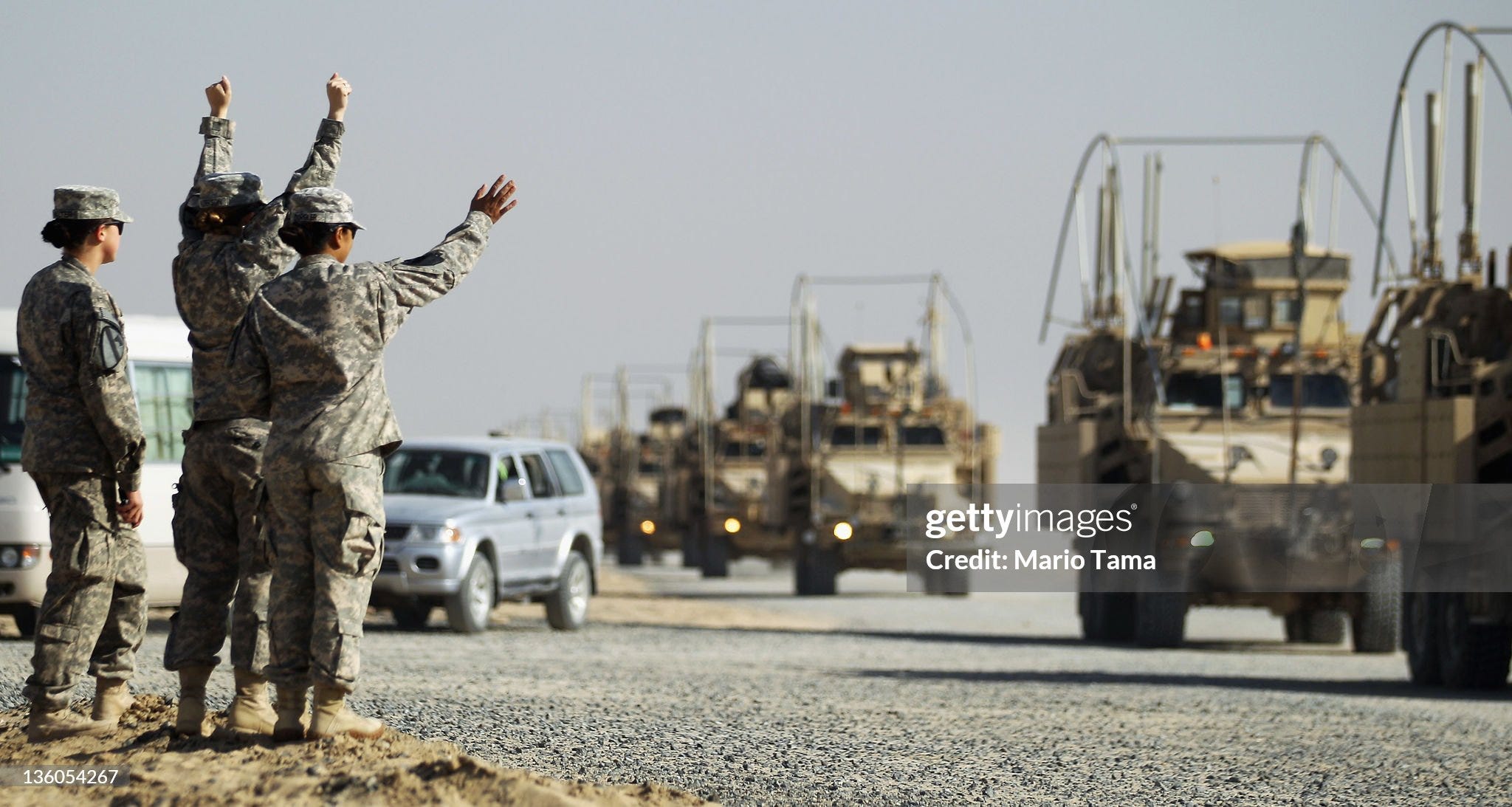
The government of Nouri al-Maliki was increasingly accused by Sunni forces of concentrating power and excluding them from the system. At the same time, Syria descended into civil war. Al-Qaeda in Iraq was able to exploit both Sunni resentment inside Iraq and the security vacuum in Syria to rebuild and ultimately evolve into ISIS.
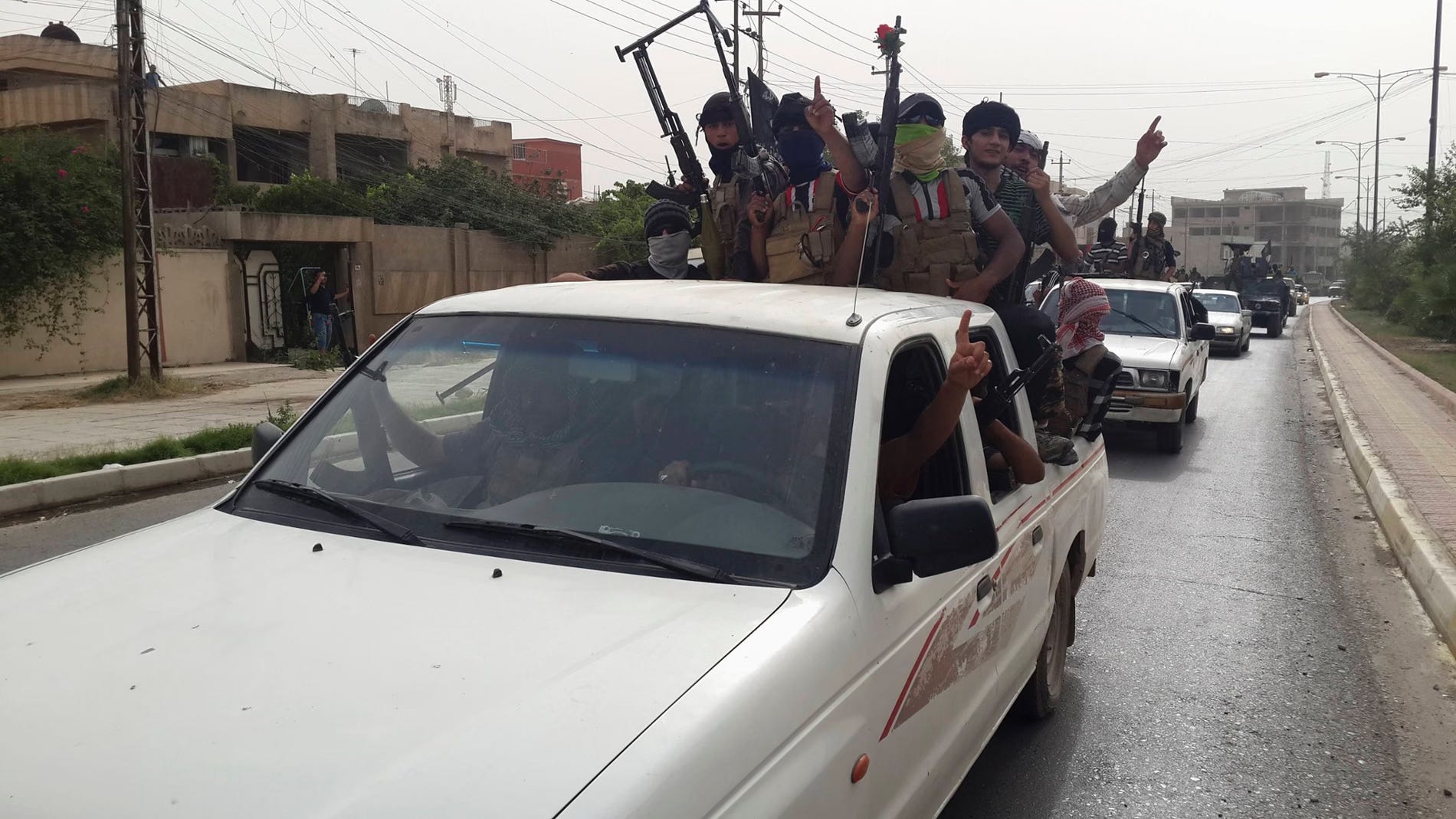
In 2014, Mosul fell. Many Iraqi military units that Washington had spent years building collapsed. ISIS seized large areas of Iraq and Syria. The United States had to return to Iraq at Baghdad’s invitation, but this time the mission was much narrower. Washington did not return to directly rebuild Iraq’s entire political system. The United States provided air power, intelligence, training, and support so Iraqi forces could defeat ISIS as a territorial organization.
By the end of 2017, ISIS had lost most of the territory it had controlled in Iraq. In the following years, Iraqi security forces gradually assumed most counterterrorism responsibilities. In 2024, the United States and Iraq agreed on a roadmap to transition from the coalition’s military mission toward a long-term bilateral security relationship. The two-phase plan continued support for operations against ISIS in Syria from Iraqi territory through at least September 2026, depending on conditions.
11. Why Did the United States Withdraw in 2026 if Iraq Still Mattered?
The 2026 withdrawal did not mean Washington had concluded that Iraq no longer possessed strategic value. The calculation had changed. ISIS no longer controlled vast territories. Iraqi security forces had become more capable. At the same time, American troops stationed in Iraq were increasingly becoming targets for Iran-aligned militias.
Every attack risked creating an escalation cycle. Militias attacked U.S. forces. Washington retaliated. Baghdad objected to the United States using military force on Iraqi territory. Iran-aligned groups then used Baghdad’s reaction to increase political pressure for American forces to leave.
Washington therefore had to ask a new question: Did the United States still need troops physically stationed inside Iraq to preserve influence, or could it achieve many of the same objectives through other instruments? By the end of September 2026, the United States completed the withdrawal of its remaining military forces under the timetable agreed by both governments. Iran-aligned factions portrayed the departure as a victory, while some Iraqi and Kurdish officials feared that the vacuum could create additional opportunities for both Iran-backed militias and remaining ISIS networks.
The United States clearly lost some advantages. Its ability to collect intelligence directly on the ground declined. Its ability to respond militarily from within Iraq declined. Iran-aligned forces gained additional operational space. But Washington also reduced the costs and risks associated with maintaining a network of bases that had repeatedly become targets.
More importantly, withdrawal did not mean the disappearance of American influence. The United States still maintains defense, diplomatic, intelligence, and economic relationships with Baghdad. Washington also retains a broader network of military bases and allies across the Middle East, allowing it to influence developments inside Iraq without necessarily maintaining a large force within the country itself.
Financial influence remains particularly important. Iraqi oil revenues continue to pass through an account held by the Central Bank of Iraq at the Federal Reserve Bank of New York. Oil provides roughly 90 percent of Iraq’s state budget, which means the dollar-based financial system continues to give Washington significant leverage even after the military withdrawal.
This may represent a new phase in U.S.-Iraq relations: less dependence on direct military presence, while preserving influence through security cooperation, finance, diplomacy, and the wider regional power of the United States.
12. Conclusion: Overthrowing Saddam Was Only the First Step
The decision to overthrow Saddam Hussein had a clear strategic logic within the post-9/11 security environment of the United States. Washington did not simply want to remove a hostile government. The United States wanted to end the indefinite containment of Saddam, eliminate a source of instability that had already launched wars in the Gulf, and open the possibility of transforming Iraq into part of a regional security structure more favorable to Washington.
The war produced real strategic changes. Saddam and the Baath regime could no longer threaten Kuwait. The United States gained a direct military position in the center of the Middle East during the years following the invasion. After Afghanistan in 2001 and Iraq in 2003, Washington possessed a greater ability to pressure Iran from multiple directions.
But those strategic gains must be weighed against the enormous costs of the postwar period and the assumptions that proved wrong. The central miscalculation was not Washington’s ability to defeat Saddam. It did that very quickly. The miscalculation was its incomplete understanding of what would emerge after Saddam disappeared.
Before using military force to overthrow a government, it is necessary to understand not only how strong that government’s military is, but also the forces that government is holding beneath it. A regime can itself be a source of instability. But in a fragmented state, it can simultaneously function as a lid holding down multiple power struggles. Removing the lid does not mean the forces beneath it will automatically cooperate to build a new order.
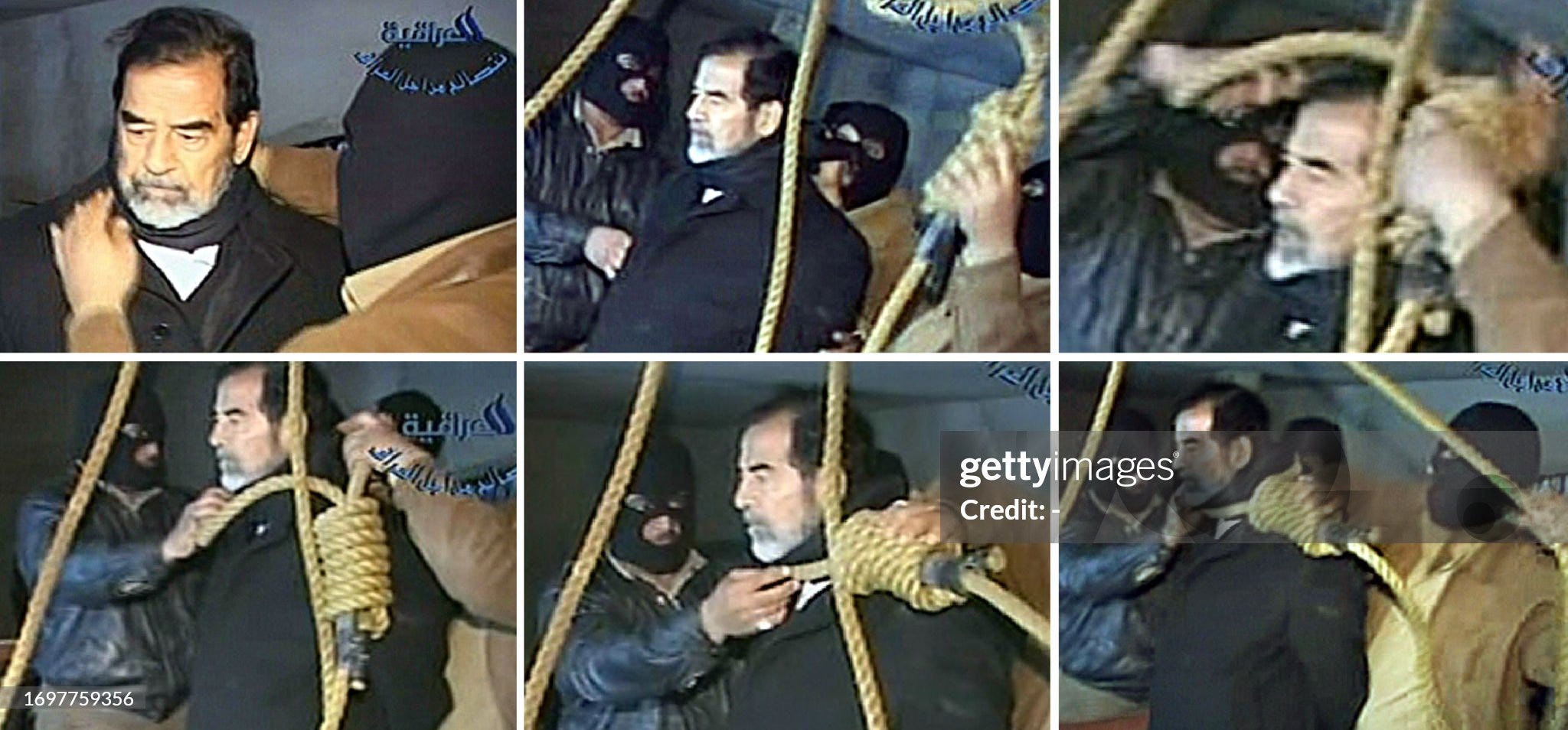
Iraq demonstrates this problem clearly. Saddam used a centralized system of power, the military, security forces, intelligence services, and repression to keep competing communities and factions under Baghdad’s control. The United States destroyed that center of power very quickly, but it did not have another center strong enough to immediately hold Shia, Sunni, Kurdish, tribal, and political networks together within a stable system.
That is why overthrowing Saddam took only weeks, while the post-Saddam problem lasted more than two decades. The United States had to change strategy, increase troop levels, rebuild Iraqi military and police forces, cooperate with Sunni tribes, fight al-Qaeda, withdraw most of its forces in 2011, return in 2014 to fight ISIS, and continue supporting Baghdad until the 2026 withdrawal.
The result in 2026 is also not an Iraq fully aligned with Washington. Iraq has not fragmented into multiple independent states, but power inside the country remains divided. Kurdistan retains extensive autonomy and its own Peshmerga forces. The Popular Mobilization Forces became part of the security structure, but some factions within them continue to maintain deep ties with Iran. Baghdad has a central government, military, and state institutions, but it still does not possess a complete monopoly over the use of force throughout the system.
Iran has major influence but does not completely control Iraq. The United States has withdrawn its troops but has not disappeared from Iraq. Washington still maintains security and diplomatic ties with Baghdad, retains substantial financial leverage, and continues to possess significant military power across the Middle East. The 2026 withdrawal can therefore be understood as a shift toward a model of influence that depends less on maintaining troops directly on Iraqi territory.
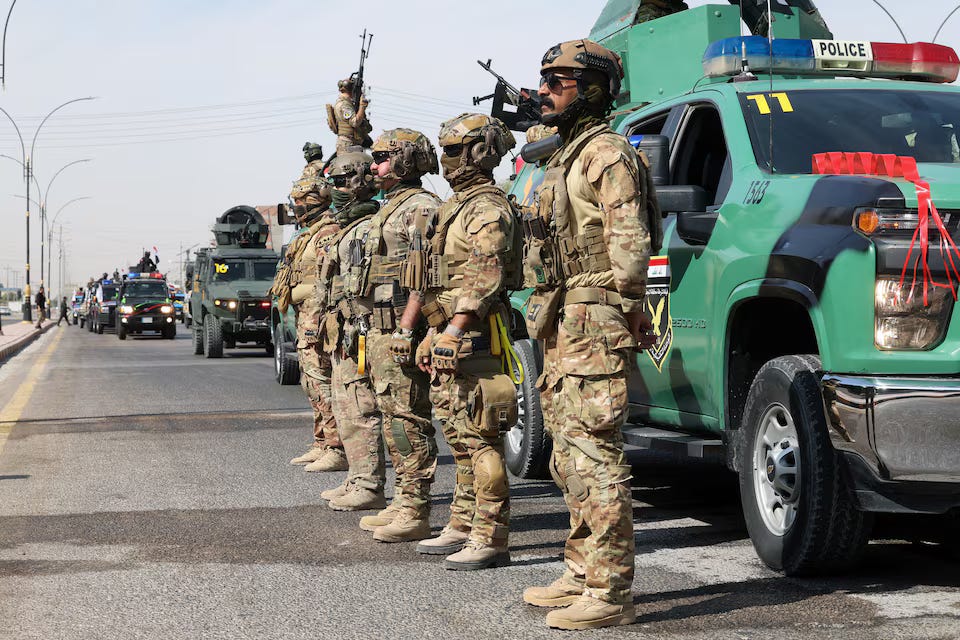
If the war is assessed against the strategic objectives Washington pursued, several outcomes are clear: Saddam was removed, a government that had directly waged war against U.S. partners in the Gulf disappeared, Iraq did not return to the pre-2003 power structure, and the United States still retains considerable ability to influence Baghdad. At the same time, the enormous postwar costs, the expansion of Iranian influence, and the continued fragmentation of power demonstrate that Washington did not achieve the full political order it once envisioned.
Iraq therefore reveals an important limit of military power. A superpower can destroy a regime in a matter of weeks. That does not mean it can build a replacement political order in a matter of months.
The central lesson from Iraq is not only whether Saddam should have been overthrown. It is the question that must be asked before any regime-change operation: After the existing government disappears, who controls the country the next day? If that question does not have a sufficiently strong answer, military victory may be only the beginning of a much longer war.