


When two friends are fighting, you may think that staying neutral will keep you safe. But are you really safe?
In conflicts, the person standing in the middle can sometimes become the most isolated one.
International politics works the same way. Many smaller countries believe that avoiding alliances will keep them secure. But the world does not work that simply.
When you drive on the road, following the rules does not automatically guarantee safety. There will still be people who run red lights, drift into your lane, or deliberately crash into you.
If a major power one day decides to pressure or attack your country, who will stand beside you?
Refusing alliances also means remaining alone. A country unwilling to protect anyone may also find that no one is willing to protect it when danger arrives.
In the modern world, no country can maintain long-term security completely on its own.
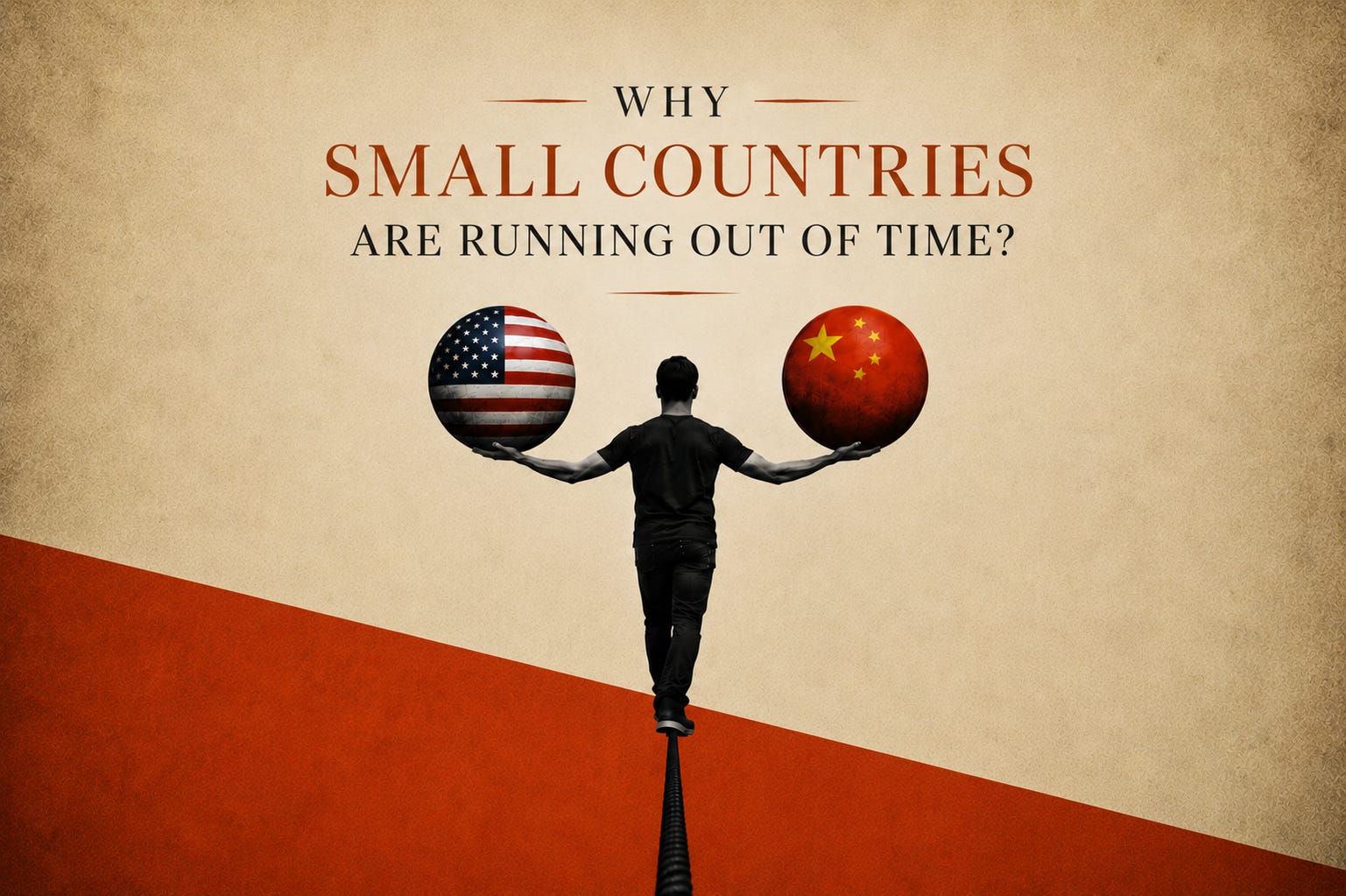
Everything is changing. The global security environment is becoming more dangerous. As the world grows increasingly divided into rival blocs, countries that stand alone become easier targets for pressure from major powers, because there is no strong network of allies behind them to create deterrence.
In every confrontation, people are always more cautious around a united group than around someone standing alone.
The world does not operate on morality alone. Power and deterrence still determine how nations treat one another.
In international relations, the principle of “not threatening the use of force” is often not because the world has become more moral, but because many countries simply lack the power to create meaningful deterrence.
And when a country is both weak and lacking strong allies behind it, that is often the most dangerous position of all.
For a small nation, the greatest risk is not offending one major power or another. The greatest risk is realizing, only when danger arrives, that no one is willing to stand beside you.