


Iran has used its regional proxy network to put pressure on shipping routes in the Red Sea. In response, Saudi Arabia has promoted a Red Sea security coalition that includes the Sudanese Armed Forces (SAF), Sudan’s regular military.
What makes the situation unusual is that the SAF is also receiving military assistance from Iran. Meanwhile, its opponent in Sudan’s civil war, the Rapid Support Forces (RSF), has received support from the United Arab Emirates, one of Saudi Arabia’s closest regional partners.
Looking at these relationships, many people ask the same question: if the SAF receives support from Iran, why is Saudi Arabia still willing to cooperate with it?
The answer lies in the reality on the ground.
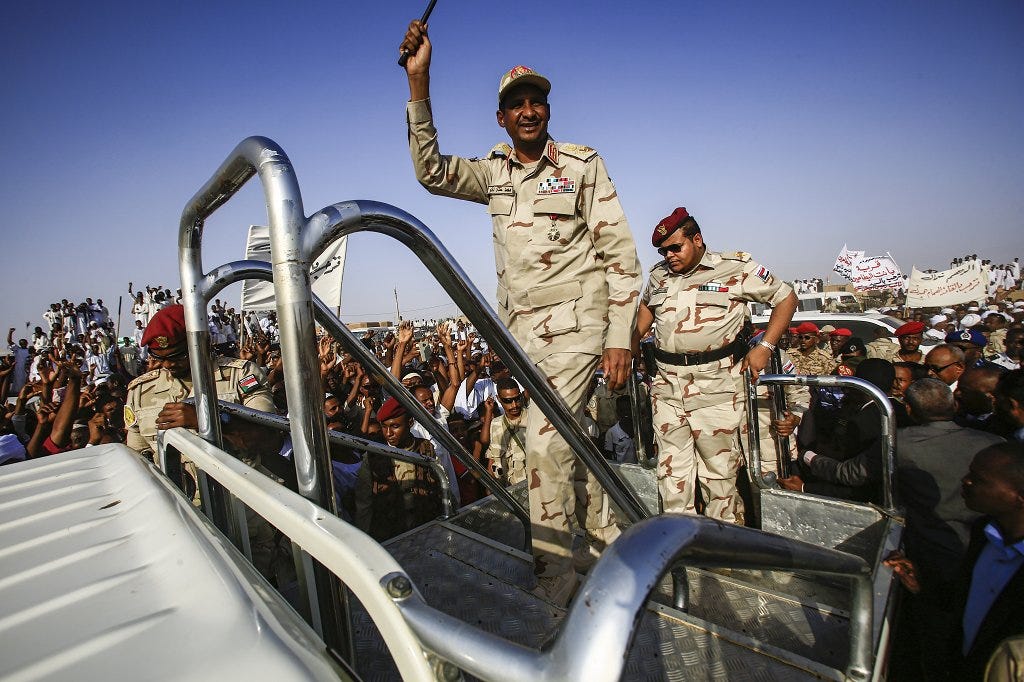
The SAF is Sudan’s regular military and controls the country’s entire Red Sea coastline, including Port Sudan, the country’s most important seaport. By contrast, the RSF controls no part of Sudan’s Red Sea coast and therefore has no direct role in Red Sea maritime security.
For Saudi Arabia, protecting Red Sea shipping lanes is the priority. To achieve that objective, Riyadh has little choice but to work with the force that controls Sudan’s coastline. At present, that force is the SAF.
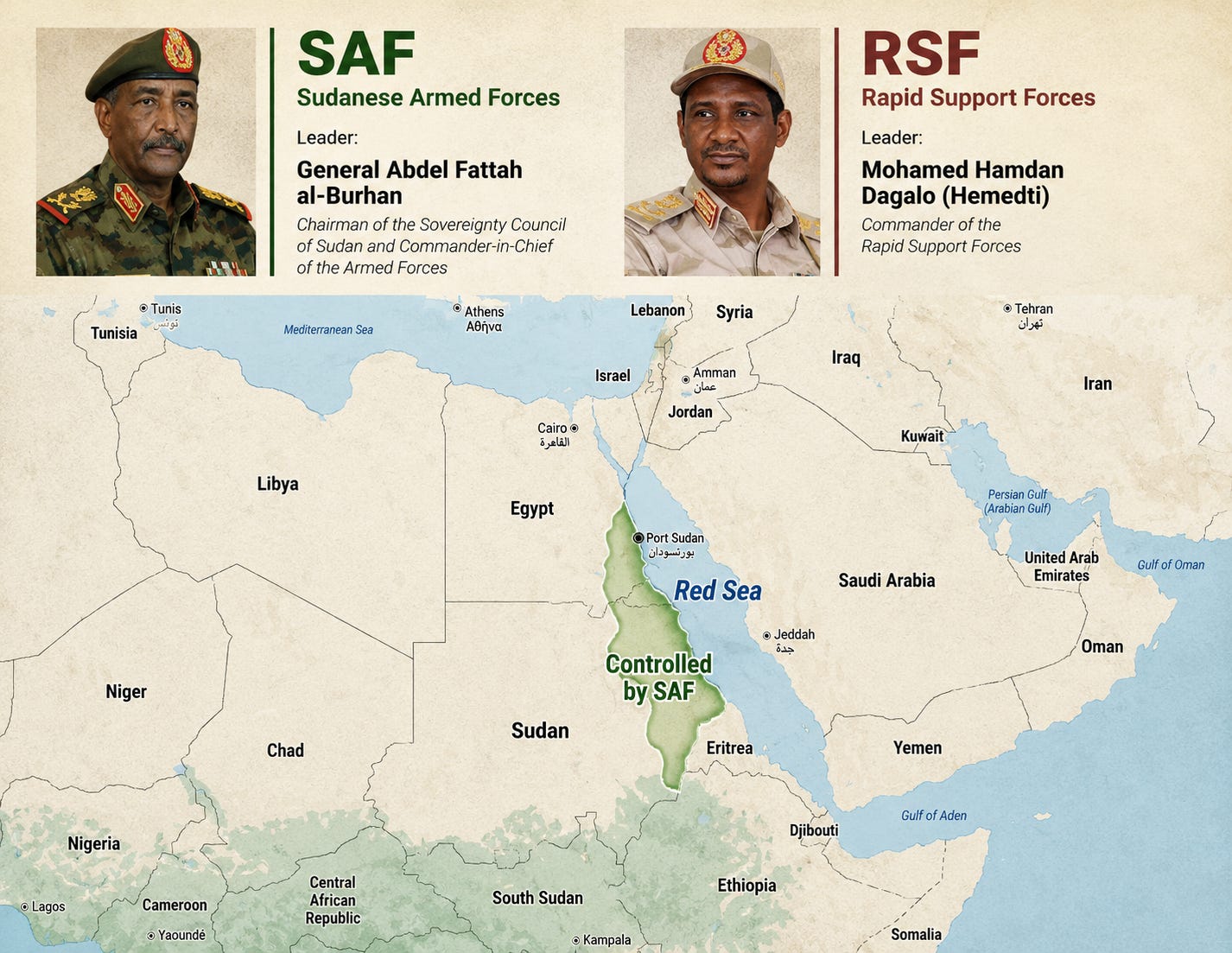
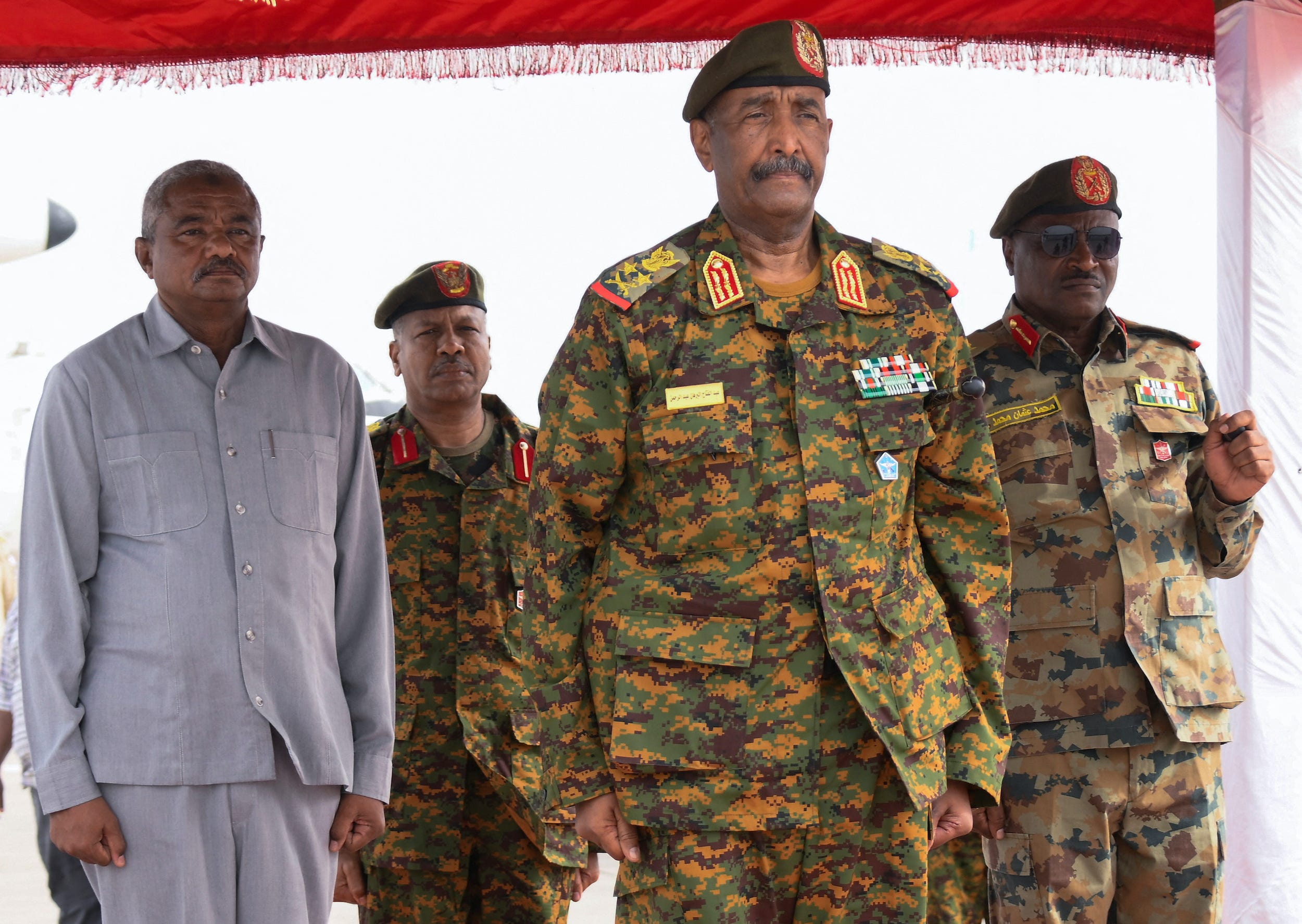
The fact that the SAF receives Iranian military assistance does not mean all of its interests are aligned with Tehran. Sudan remains in the middle of a civil war, and the SAF needs weapons to sustain the fight while also having strong incentives to cooperate with Saudi Arabia on Red Sea security.
If Riyadh refused to work with the SAF simply because Iran also supports it, Saudi Arabia would lose influence over the force controlling Sudan’s coastline. That would not reduce Iran’s influence. Instead, it could give Tehran even greater room to expand it.

This illustrates a broader principle of international politics. States rarely have the luxury of choosing a perfect partner. More often, every available option comes with significant drawbacks. The objective is not to find a flawless ally, but to choose the partner that best advances strategic interests while minimizing risk.
In other words, a partner does not have to be perfect to be worth working with. It only has to be the best available option.
#SaudiArabia #Iran #Sudan #SAF #RSF #RedSea #MiddleEast #Geopolitics
Control Threat | The Political Signals Others Miss