


Why Is Poland Wary of NATO?
After a Russian missile landed in Poland during a massive strike on Ukraine, Warsaw raised its military alert, NATO activated defensive measures, and Prime Minister Donald Tusk insisted the incident would be thoroughly investigated.
Many believe a Russian missile entering Polish airspace is enough to justify an immediate shootdown. Strategically, however, Poland may have bigger concerns.
If Poland fires before building a solid legal case, it could face internal NATO disputes over whether it acted in self-defense or escalated the conflict. That is why Poland’s first priority may not be pulling the trigger, but collecting evidence strong enough that no ally can deny what happened or avoid its obligation to defend Poland if the crisis grows.
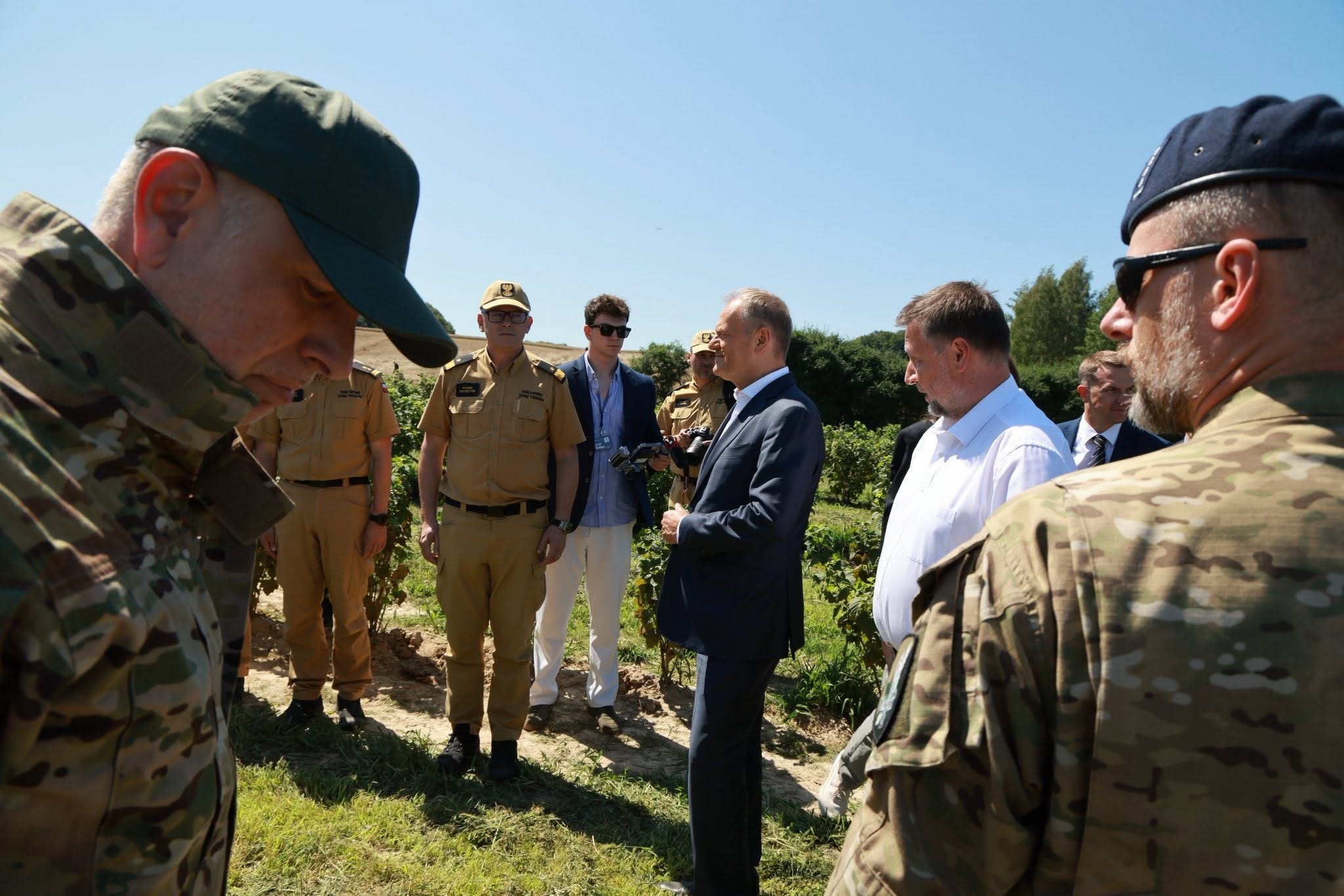
This may explain why Tusk keeps emphasizing a thorough investigation. Poland must determine whether this was an accident or a deliberate act. Only then can it hold NATO to the commitments the alliance has made.
From that perspective, Poland might even accept limited, controllable damage in exchange for a stronger legal foundation before deciding to shoot down Russian missiles. Losing a few targets may be less costly than creating doubt over who escalated the conflict.
NATO is widely viewed as a united alliance. Yet it has never faced the ultimate test of defending a member state against a direct attack by an external power. Only such a moment can truly measure alliance solidarity.
A promise to defend an ally has value only if there is political will to honor it. Until that will is proven, evidence may be Poland’s strongest shield. Poland is not afraid of responding to Russia. It is afraid that some NATO allies could deny their responsibility to defend it.
#Poland #NATO #Russia #Ukraine #Geopolitics
Control Threat | Strategic Risk Analysis