


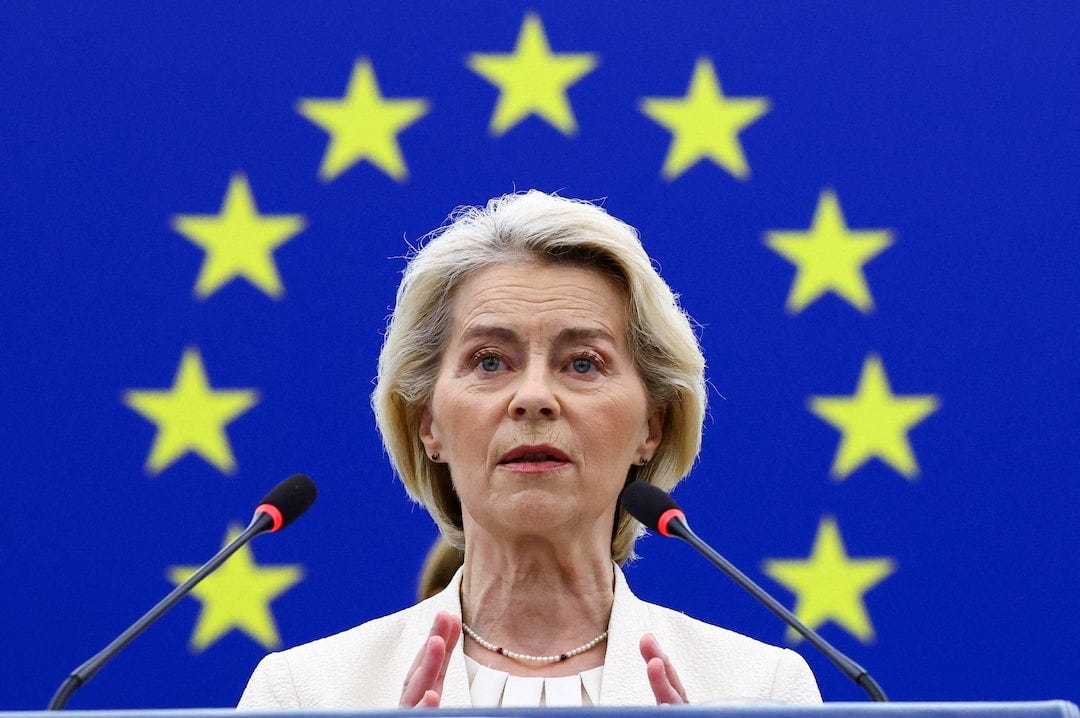
On September 16, 2026, European Commission President Ursula von der Leyen proposed turning the idea of a European Security Council into reality. She said Europe needed a leaders’ format focused on the security of the continent, involving partners such as Canada, Norway, Ukraine, the United Kingdom and others. This is not yet an established institution, and there is no official membership list or defined set of powers. But the countries von der Leyen mentioned highlight a larger problem: the borders of the European Union do not match the map of European security power.
The United Kingdom has left the EU but remains one of Europe’s major military powers and signed a Security and Defence Partnership with the EU in 2025. Norway is not an EU member but is a NATO ally, occupies a strategically important position in the Arctic and North Atlantic, and is described by the EU as its most closely associated security and defense partner.
Ukraine is not yet an EU member but is directly fighting Russia, possesses extensive experience of modern warfare and has a defense industry that is becoming increasingly integrated with Europe. Canada lies outside Europe but is a NATO ally, an Arctic power and, in June 2026, became the first non-European country to participate in the EU’s SAFE defense procurement instrument. The EU could gain military capabilities, defense industrial capacity, battlefield experience, strategic reach in the Arctic and stronger transatlantic coordination from these partners.
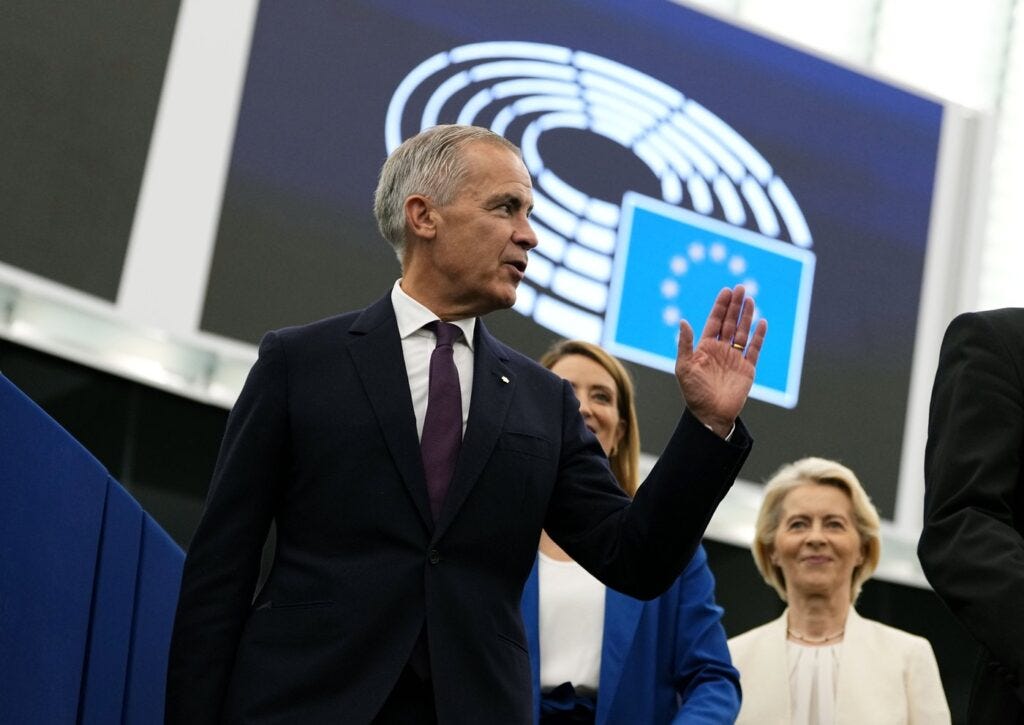
In return, the United Kingdom, Norway, Ukraine and Canada could gain deeper access to European security discussions, defense programs, joint procurement and the EU defense market. For Britain, it could provide another channel for security coordination with the EU after Brexit. For Norway, it could provide greater involvement in decisions affecting northern European security. Ukraine could deepen its integration into Europe’s defense system, while Canada could gain a larger defense market and further diversify its security partnerships.
The purpose is therefore broader than simply creating another EU institution. A European Security Council could provide a way to bring countries with important capabilities for the security of the continent around the same table, even when they are not members of the European Union. Von der Leyen has so far proposed a direction rather than a finished structure. Its membership, powers and relationship with NATO have yet to be defined.