


On June 22, 2026, Latvian intelligence warned that Russia was considering hybrid actions involving drones, missiles or other forms of disruption designed to send a very direct message: Stop supporting Ukraine, or European countries will have problems of their own.
On September 20, 2026, The Guardian reported that Michal Koudelka, head of Czechia’s BIS security service, said Russia believed that if it escalated enough, European countries could eventually decide not to continue supporting Ukraine.
Latvian intelligence also said Russian sabotage was moving away from relatively random targets toward railways, infrastructure supporting Ukraine and the European defense industry.
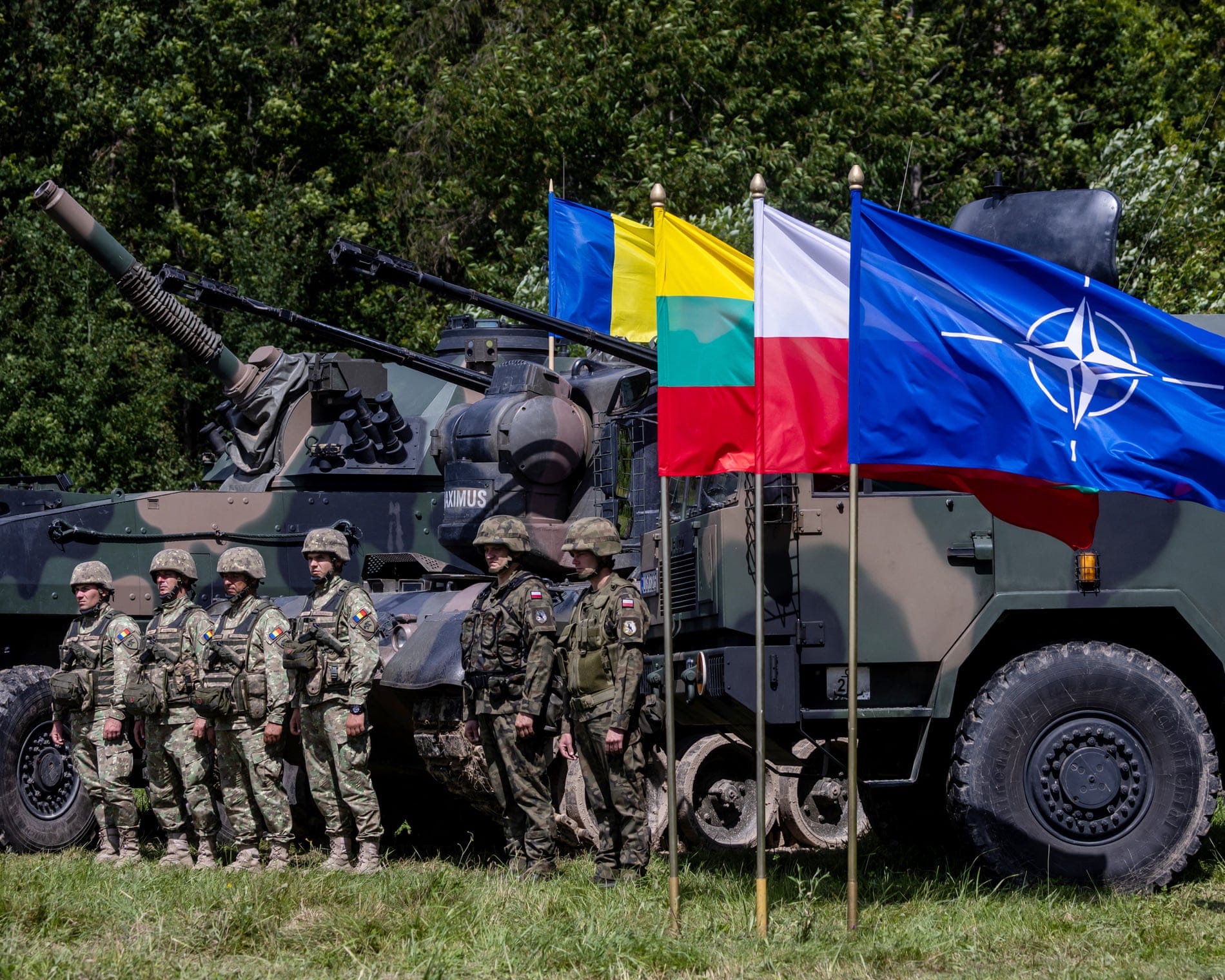
The logic is fairly straightforward. Supporting Ukraine would no longer mean only sending money and weapons abroad. Moscow may want to turn that decision into a security risk felt inside the countries supporting Kyiv.
But this should not be confused with evidence of an imminent Russia NATO war. In the same Guardian report published on September 20, 2026, Normunds Mezviets, director general of Latvia’s State Security Service, explicitly said they saw “no indications of an imminent attack.” He also said it remained unclear whether Moscow had direct and concrete plans or was primarily trying to spread fear and uncertainty across Western societies.
On September 19, 2026, a senior Estonian official also pushed back against growing public panic about a possible Russian attack and urged people to remain calm and continue supporting Ukraine.
The current warnings therefore do not mean Russia is about to attack NATO. The more immediate issue is whether Moscow will intensify sabotage in order to make the cost of supporting Ukraine increasingly visible inside Europe itself.
There is another potential benefit for Moscow that does not require opening a new front: forcing Europe to think more about defending itself.
Every time a drone or missile approaches or enters NATO airspace, European governments face a very practical calculation. An interceptor sent to Ukraine is also an interceptor that is no longer sitting in a national stockpile to defend their own territory.
That does not mean Europe has stopped transferring air defense munitions to Ukraine. In July 2026, NATO was still urging Allies to release more interceptors from their stockpiles for Kyiv, and in August the EU approved billions of euros more for Ukrainian air defense systems, missiles and ammunition.
But the more incidents occur near NATO territory, the greater the pressure may become to retain part of those defensive capabilities at home.
Moscow therefore does not necessarily need Europe to stop supporting Ukraine altogether. If it can make governments ask whether they are sending away missiles, radars or air defense systems that they may soon need themselves, it has already made support for Kyiv more difficult both militarily and politically.