


Control Threat | September 24, 2026
The Houthis are advancing toward Bab el-Mandeb just as shipping through the Strait of Hormuz is being disrupted. For Saudi Arabia, that creates a threat to both its southern border and its oil export routes. For Iran, every Houthi advance could force its adversaries to spread their resources thinner. The United States, the UAE, Egypt and other countries also have interests in the Red Sea, but they are not equally willing to pay the price of protecting them.
Yemen therefore cannot be explained as a contest between two adversaries. Outside powers are competing for influence, while Yemeni groups pursue their own goals. To understand who stands to gain, we need to look at what each country wants to protect and how far it is willing to go.
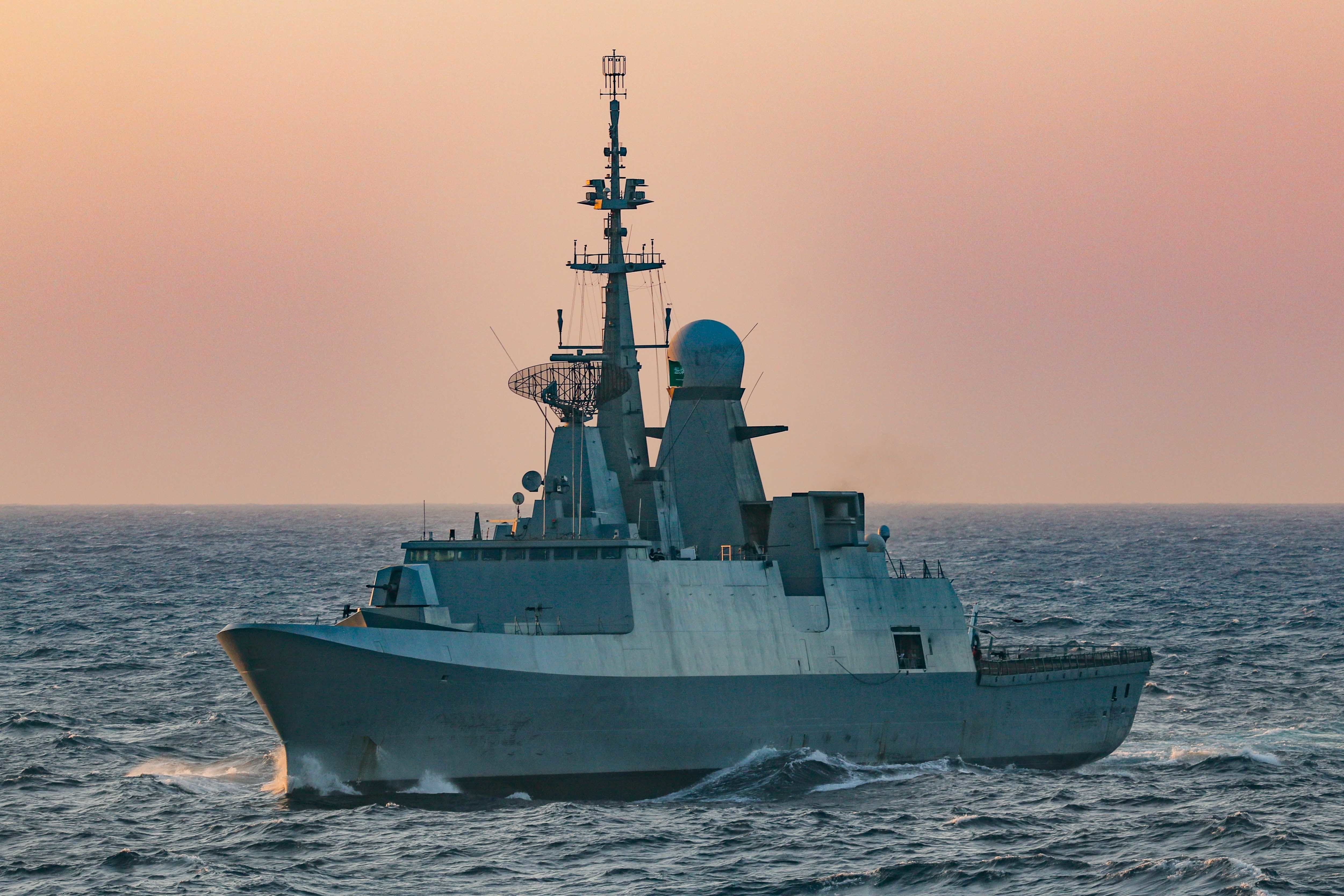
Contents
Why does Yemen matter to the wider region?
Why can outside powers not control Yemen through local proxies?
What does Saudi Arabia want?
How does Iran benefit from the Houthis?
Why is the UAE competing with Saudi Arabia within the camp opposed to the Houthis?
What are U.S. interests, and how far is Trump willing to go?
How far will other countries go to help Saudi Arabia?
Who can shape Yemen after the war?
1. Why does Yemen matter to the wider region?
Yemen sits on the eastern shore of Bab el-Mandeb, the strait connecting the Red Sea to the Gulf of Aden and the Indian Ocean. Ships traveling between Europe and many Asian markets pass through these waters when they use the Suez Canal route. Controlling a stretch of Yemen’s coast does not mean controlling the entire strait. It can, however, be enough to threaten vessels, raise shipping costs and force countries that rely on the route to respond.
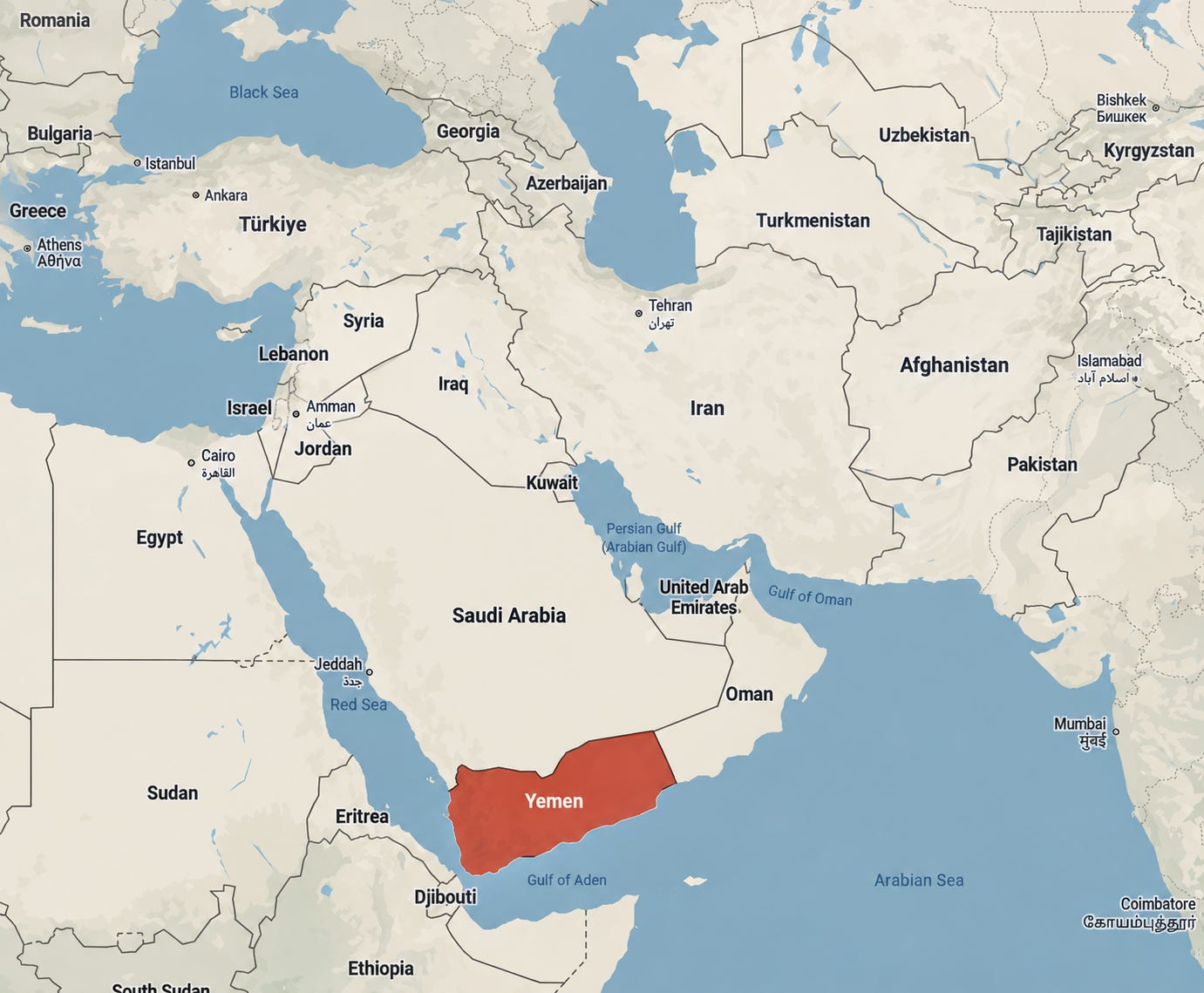
In 2026, the pressure has increased because traffic through the Strait of Hormuz, on the other side of the Arabian Peninsula, has also been disrupted by the war between the United States and Iran. Saudi Arabia has used its Red Sea ports as an alternative outlet for oil exports. As the Houthis advanced along Yemen’s coast in September, that alternative also became less secure. The two straits lie on different waterways, but their effects are now closely linked in Riyadh’s calculations.
That is why a change in territorial control in Yemen attracts attention in so many capitals. For Saudi Arabia, the issue is national security. For Egypt, it is traffic through Suez. For Iran and the United States, it is part of a wider confrontation. For the UAE, Yemen’s coast and south are tied to its influence around the Gulf of Aden.
2. Why can outside powers not control Yemen through local proxies?
The Houthis control the capital, Sanaa, and much of northern Yemen. Yemen’s internationally recognized government, led by the Presidential Leadership Council and based in Aden, is backed by Saudi Arabia. But the forces opposed to the Houthis also include the Southern Transitional Council, forces led by Tarek Saleh, the Islah party and other local groups. They do not share a single vision of Yemen after the war.
The Southern Transitional Council wants to restore an independent southern state. Other groups want to keep Yemen united, but they also compete for command and influence within the government. Supplying the forces opposed to the Houthis therefore does not automatically create a unified front. These divisions are among the reasons Saudi backed forces lost ground during the Houthi offensive in September.
Outside countries can provide weapons, money or political backing. They cannot simply erase the Yemeni factions’ own ambitions. That is the first limit on any attempt to shape the country from abroad.
3. What does Saudi Arabia want?
Riyadh led the coalition intervention in Yemen in 2015 to restore the government ousted by the Houthis and prevent a force close to Iran from consolidating power along its southern border. More than a decade later, its two core interests remain: Preventing repeated attacks on Saudi territory and stopping Yemen from becoming a permanent source of pressure on Red Sea shipping.
Saudi Arabia also wants a Yemeni partner strong enough to negotiate and govern territory. An internationally recognized government that is divided and steadily losing strategic positions cannot fill that role. Riyadh must therefore counter the Houthis while keeping the Yemeni forces it relies on from falling apart. That is a harder political task than launching an air campaign.
Riyadh has no easy choice when it comes to the Houthis. If it allows them to strengthen their position around Bab el-Mandeb, Saudi Arabia will have to live with a standing threat to a vital export route. If it expands its military campaign, the Houthis could intensify attacks deep inside Saudi territory. These risks explain why Riyadh is seeking military support and partners to protect maritime routes while keeping diplomacy open. Its strategic choices remain difficult.
4. How does Iran benefit from the Houthis?
Iran has supported the Houthis with weapons, training and intelligence. That relationship has helped them build the capacity to strike far beyond the areas they control. Yet the Houthis are a Yemeni movement with a governing structure, a domestic support base and an agenda of their own. Describing their every action as an order from Tehran overlooks their ability to make their own decisions.
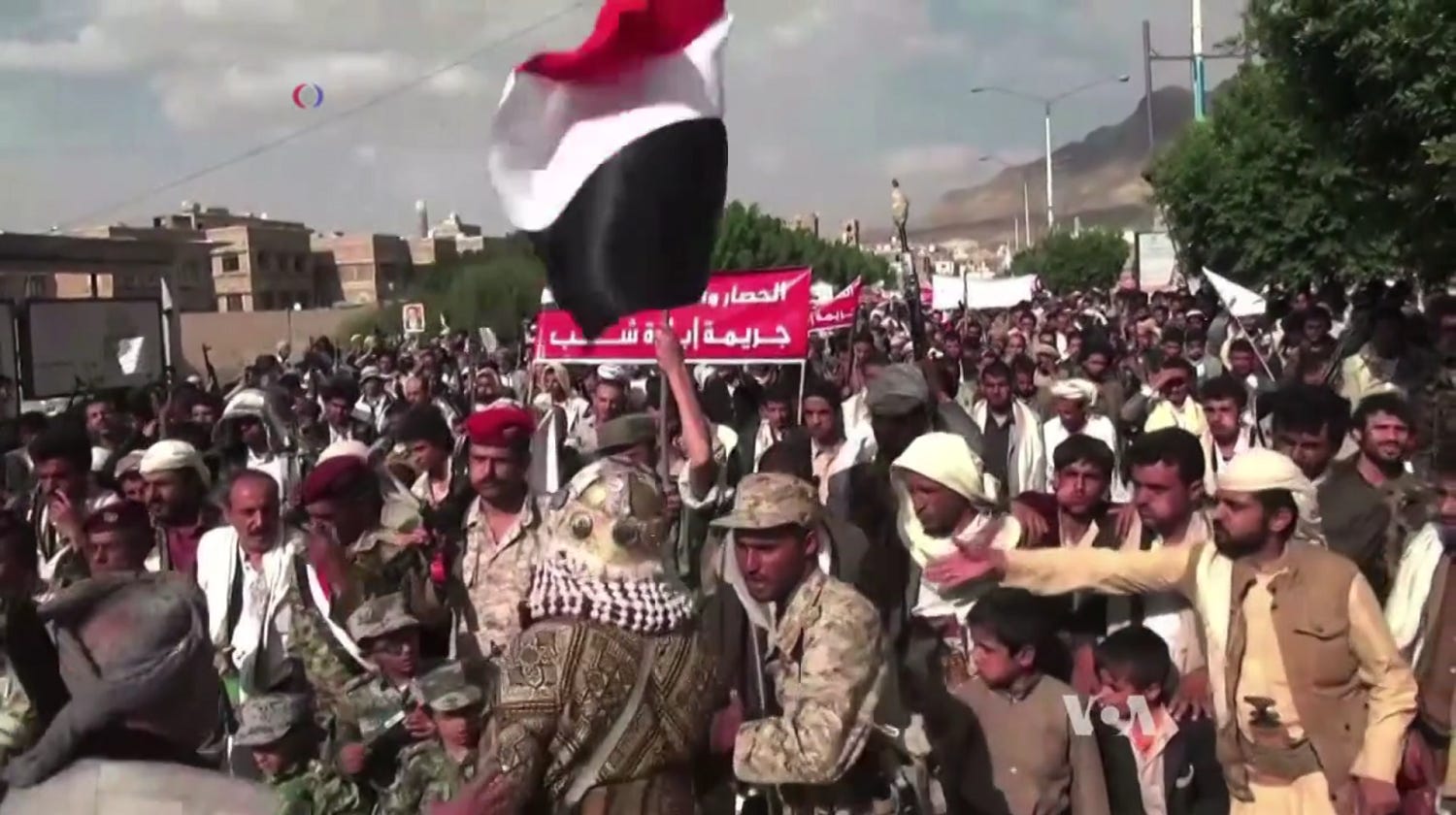
Tehran can still benefit without directing every Houthi move. When the Houthis threaten Saudi Arabia or ships passing through Bab el-Mandeb, Iran’s adversaries have to divide their resources between the Gulf and the Red Sea. Tehran’s bargaining position may improve, especially when the Strait of Hormuz is also under pressure. That is a strategic benefit, not proof that Iran controls every decision on Yemen’s battlefield.
5. Why is the UAE competing with Saudi Arabia within the camp opposed to the Houthis?
The UAE joined Saudi Arabia in the coalition against the Houthis, but the two countries have sought influence through different Yemeni groups. Riyadh relies on the internationally recognized government and needs a partner capable of securing the border. The UAE previously trained and equipped the Southern Transitional Council, which wants an independent south. Abu Dhabi also has interests in shipping routes and ports, and it seeks to contain political Islamist groups it regards as rivals.
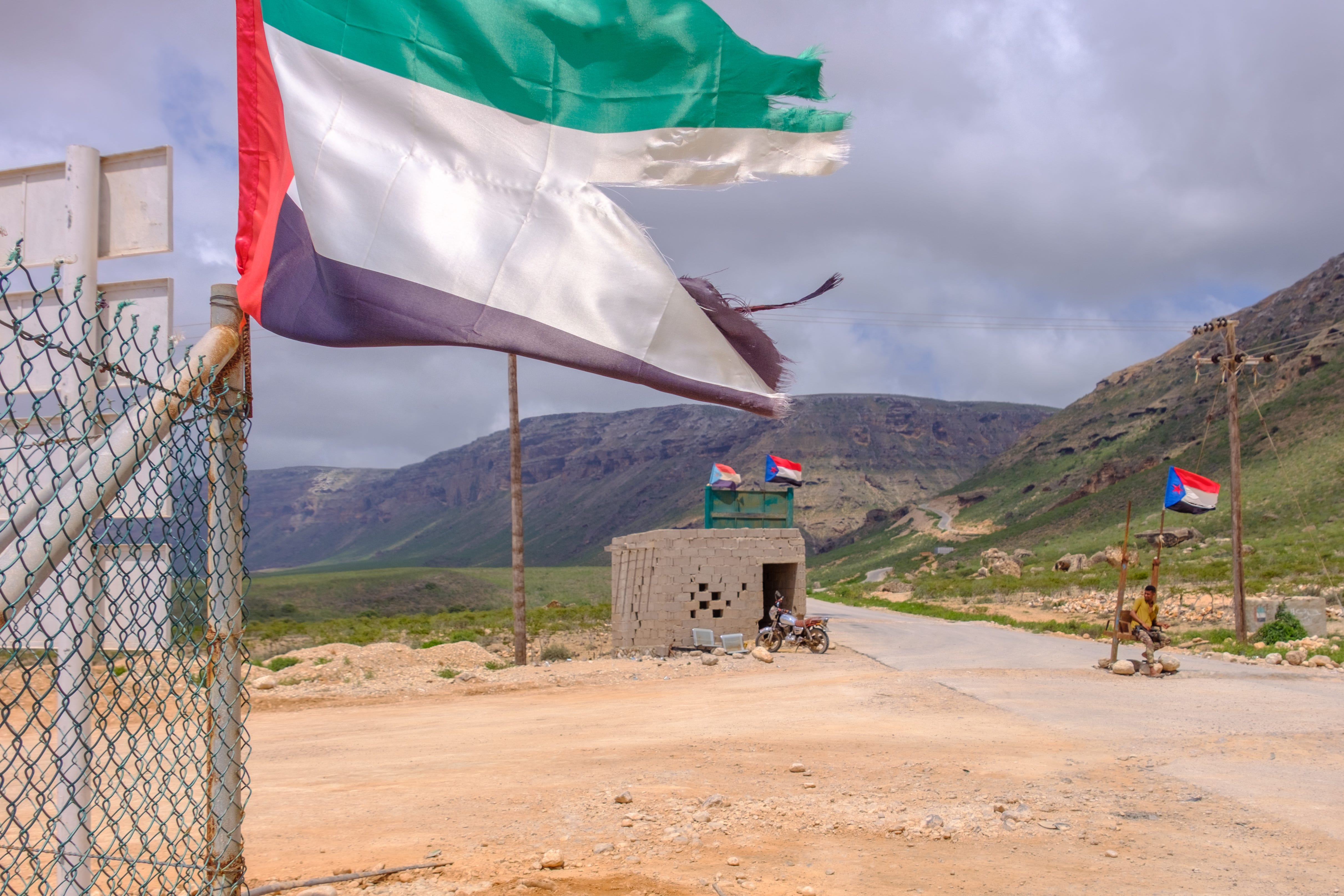
These differences have gone beyond policy debates. In late 2025, the Southern Transitional Council advanced into Hadramawt and al-Mahra, provinces bordering Saudi Arabia. A Saudi led coalition then struck the port of Mukalla, alleging that shipments from the UAE contained military supplies for the group. The UAE denied that the shipments contained weapons. After Yemen’s government ordered Emirati troops to leave, the UAE announced it would withdraw its remaining forces, possibly to prevent tensions with Saudi Arabia from escalating. That withdrawal does not establish that the UAE ended all support for the Southern Transitional Council.
This is a layer of competition that is often overlooked. Saudi Arabia and Iran are vying for security influence in Yemen and the Red Sea, while Saudi Arabia and the UAE disagree over how power should be distributed within the camp opposed to the Houthis. The Houthis can exploit that division without having created it.
6. What are U.S. interests, and how far is Trump willing to go?
The United States has three direct interests: Protecting freedom of navigation in the Red Sea, limiting threats from Iran and the Houthis to U.S. interests, and maintaining its security relationship with Saudi Arabia. The two countries signed a strategic defense cooperation agreement in November 2025. But a defense relationship does not mean Washington has committed to launching an offensive campaign whenever Riyadh asks. The U.S. State Department has identified freedom of navigation in the Red Sea as a core American interest.
The events of 2019 show the limits of U.S. commitments. After attacks on the Abqaiq and Khurais oil facilities, the Trump administration blamed Iran. Washington sent air defenses, aircraft and additional forces to Saudi Arabia, but did not launch a retaliatory military strike against Iran. The Pentagon said its aim was to protect infrastructure, trade routes and U.S. interests while avoiding a direct war. U.S. officials determined that the attacks on the oil facilities had not originated in Yemen. The lesson for Riyadh is clear: The United States may help Saudi Arabia strengthen its defenses, but that does not mean Washington will attack Iran in retaliation on Saudi Arabia’s behalf.
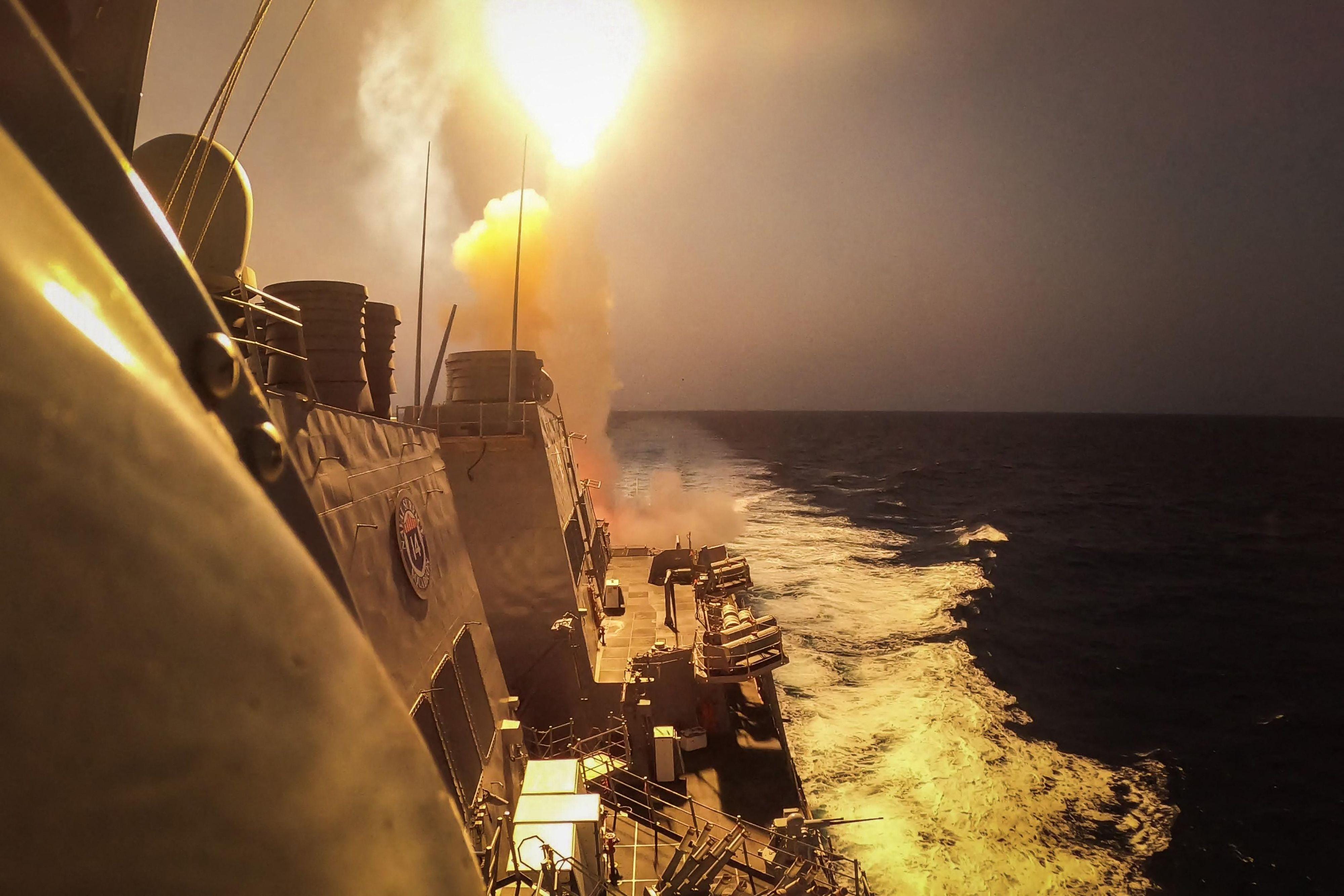
Trump now faces a similar choice under more difficult circumstances. The United States struck the Houthis for two months in 2025 before reaching a ceasefire with the group. In September 2026, Washington has not agreed to Saudi requests for direct strikes on the Houthis. The head of Yemen’s internationally recognized government has also asked Trump for military support. The White House has announced no new commitment to fight directly in Yemen. Meanwhile, the United States is at war with Iran. A new campaign in Yemen would compete for forces, weapons and political support.
Washington is also keeping a separate channel of communication open. Vice President JD Vance has confirmed contact between the United States and the Houthis. A reported meeting between representatives of the two sides in Oman has not been confirmed by the State Department. The Houthis say they do not intend to attack U.S. ships. That assurance cannot be treated as a guarantee, but it helps explain how Washington might pursue its own maritime interests without adopting Riyadh’s military objectives.
That choice carries a political cost. If the United States stands aside while Saudi Arabia comes under pressure, Washington’s credibility with its partner could suffer. If it enters the fight, Trump risks opening another front with no assurance that airstrikes can eliminate the Houthis. Secretary of State Marco Rubio has said the United States intends to honor its defense commitments to Saudi Arabia, without specifying what Washington would do in Yemen. It is therefore too early to say that the United States has abandoned Saudi Arabia. What is clear is that the two countries have not agreed on the level of involvement needed now.
7. How far will other countries go to help Saudi Arabia?
Pakistan and Turkey signed a joint defense agreement with Saudi Arabia in Mecca in August 2026. Its collective defense provision raised expectations, but their response over Yemen has so far been more cautious than the treaty’s language might suggest. Pakistan says there have been no discussions of a military response under the agreement. Turkey says it is prepared to meet some military needs, particularly technical ones, but has not announced a decision to send forces to fight the Houthis.
Egypt has a direct interest in the Red Sea because ships passing through Bab el-Mandeb also feed traffic toward the Suez Canal. President Abdel Fattah el-Sisi and Crown Prince Mohammed bin Salman discussed maritime security and Yemen on September 15. Egypt supports Saudi Arabia’s right to defend its security, but Cairo has not confirmed that it will join the fighting or the Mecca agreement. Britain has agreed to provide air refueling support for Saudi defensive operations for a limited period. These approaches show that support can range from diplomacy to logistics, with direct strikes on the Houthis representing a much larger step.
China exercises influence through a different channel. Beijing has relationships with both Saudi Arabia and Iran, and needs energy shipping routes to remain open. China has publicly called for de-escalation and safe maritime passage. Its relationship with Tehran gives it a diplomatic channel, but does not mean Beijing can dictate what Iran or the Houthis do.
8. Who can shape Yemen after the war?
Three competitions are unfolding at once. Iran and Saudi Arabia are vying for security influence in Yemen and around the Red Sea. Saudi Arabia and the UAE disagree over which groups should have a say in the south. The United States wants to protect its maritime interests and its relationship with Saudi Arabia, but has not agreed to join Riyadh in a new war in Yemen. Pakistan, Turkey, Egypt, Britain and China all have roles, though their goals and willingness to take risks differ.
Yemen is therefore a test for every country seeking influence there. Influence is measured by a country’s ability to protect its interests, bring Yemeni partners together and bear the cost of a postwar order. Yemenis will live with the outcome longer than any outside power. The United Nations estimates that more than 21 million people in Yemen will need humanitarian assistance in 2026.