


Who Will Shape the Middle East in the Next Decade?
Turkish President Recep Tayyip Erdogan has once again accused Israel of gradually occupying Palestinian territory, fueling instability across the Middle East and contributing to major shocks in global energy markets.
Behind these remarks lies more than support for Palestine. Turkey is a Muslim-majority country with a predominantly Sunni population, and for years Erdogan has sought to position Ankara as the leading voice of the Muslim world. As Iran weakens after years of conflict and its regional allies suffer setbacks, Turkey’s opportunity to expand its regional influence continues to grow.
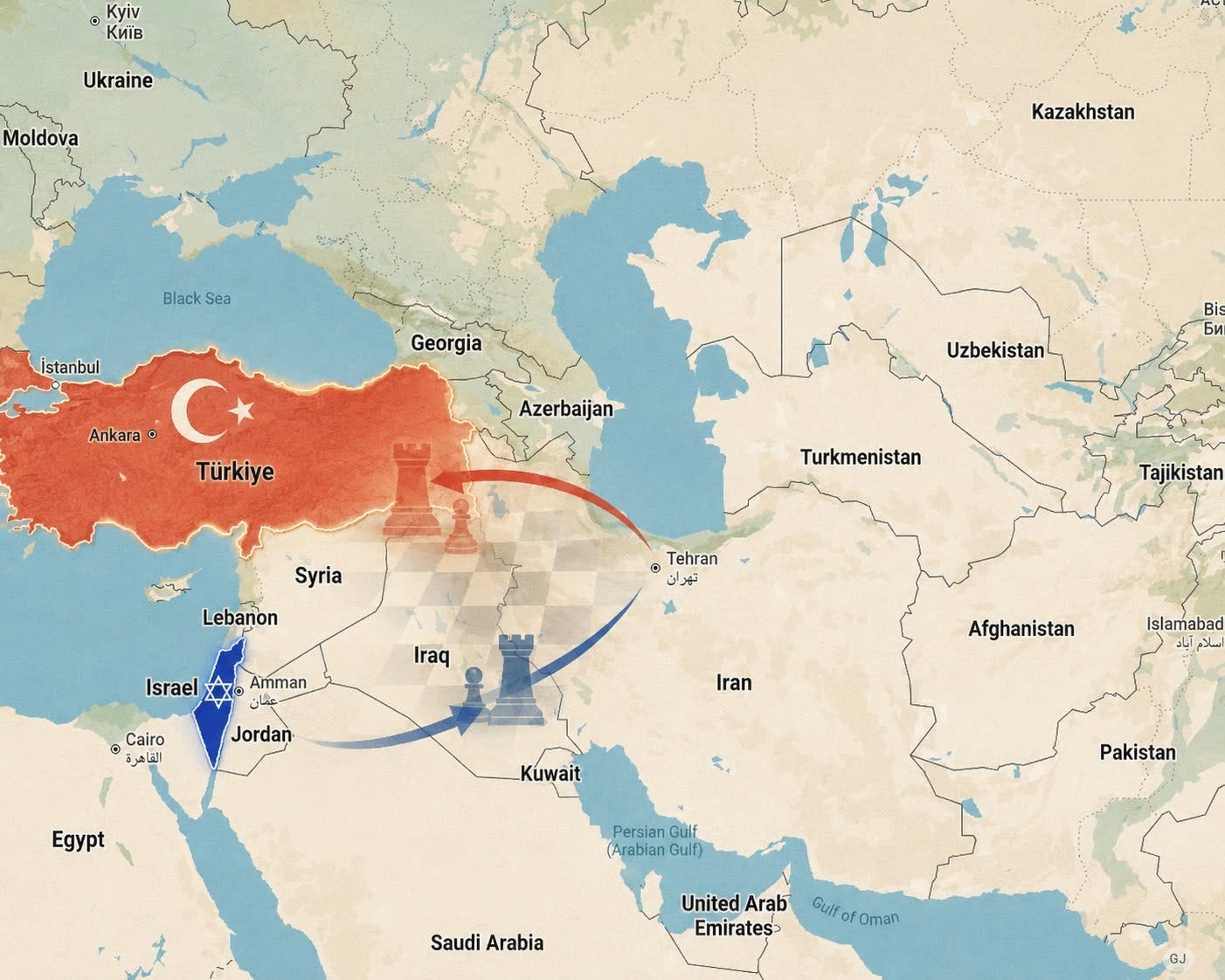
Ankara appears to be advocating for a new Middle Eastern order with Turkey at its center, echoing the influence once exercised by the Ottoman Empire. But today’s Middle East is fundamentally different. The region is deeply fragmented, with the United States, Western powers, Russia, the Gulf Arab states, and other regional actors all competing for influence.
As a result, no single country is likely to dominate the Middle East as it once did. Based on today’s balance of power, only two regional powers have the strategic weight to compete in shaping the region’s future: Turkey and Israel. Their rivalry could become one of the defining geopolitical contests of the coming decade.
#Turkey #Israel #MiddleEast #Geopolitics #Ottoman
Control Threat | Strategic Risk Analysis