


On September 14, 2026, Mitch McConnell returned to the U.S. Senate after more than three months away following a serious fall. He appeared in a wheelchair, acknowledged that he had not fully recovered, but said he would try to be present for important votes when the Republican Party needed him.
At 84, McConnell is also entering the final months of a political career that has lasted more than four decades. He no longer leads Senate Republicans and will leave office when his term ends in January 2027.
But if McConnell is viewed today simply as an elderly senator nearing the end of his career, it is easy to forget that he was once one of the most powerful figures in Washington. For 18 years, McConnell led Senate Republicans, using rules, procedures, voting schedules and behind-the-scenes negotiations to turn political power into concrete results.
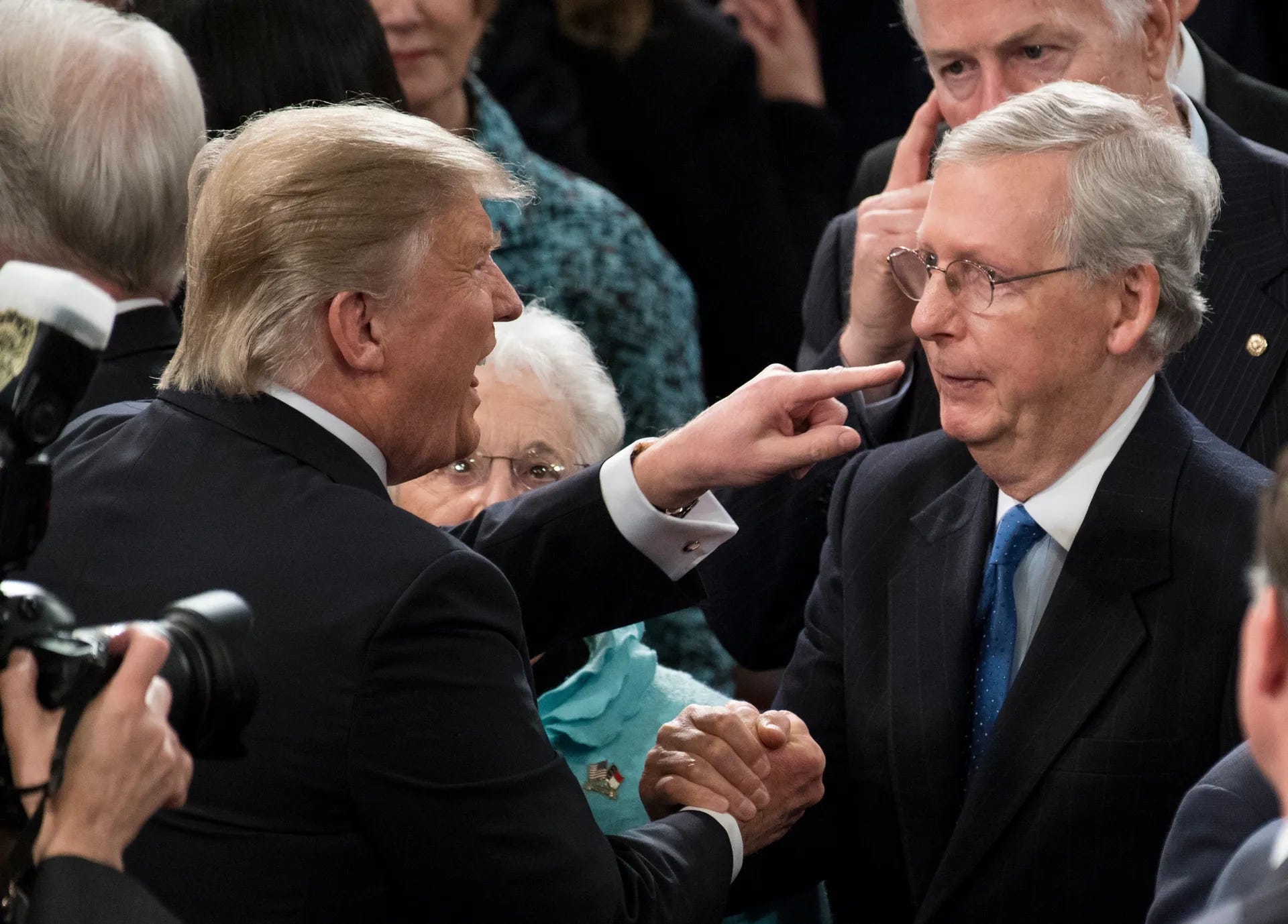
Then Donald Trump arrived.
Trump had almost no political experience before running for president. He had never served as a governor, senator or elected official. While McConnell had spent decades learning how Washington worked, Trump entered the Republican Party from the outside and quickly gained something McConnell had never possessed: The direct support of an enormous number of voters.
The struggle between the two reveals a larger question about the nature of power: In politics, who has the greater advantage, the person who controls the machinery or the person who can rally the mass of voters?
Table of Contents
How Did Mitch McConnell Control the Senate?
What Does Institutional Power Really Mean?
Trump Entered Politics With a Different Kind of Power
When Trump and McConnell Needed Each Other
The Split After the 2020 Election
Who Could Really Put Pressure on Whom?
When Two Kinds of Power Collide
McConnell’s Final Chapter and the Lesson About Power
1. How Did Mitch McConnell Control the Senate?
McConnell entered the Senate in 1985 and became the Republican leader in 2007. When Republicans held the majority, he became Senate Majority Leader. The position gave him enormous influence over what came up for debate, when votes were held, the strategy of Republican senators and the confirmation process for a wide range of important positions.
This was not the kind of power that was easy to see on television. McConnell did not need rallies with tens of thousands of people. He did not need to be the most popular figure in the party. His power came from understanding the system and occupying the right position within it.
A U.S. president can win an election with tens of millions of votes and put forward an ambitious political agenda. But a president cannot pass most legislation alone. Nor can a president simply place a justice on the Supreme Court. Those things require Congress and, in many cases, the Senate. McConnell understood this bottleneck extremely well.
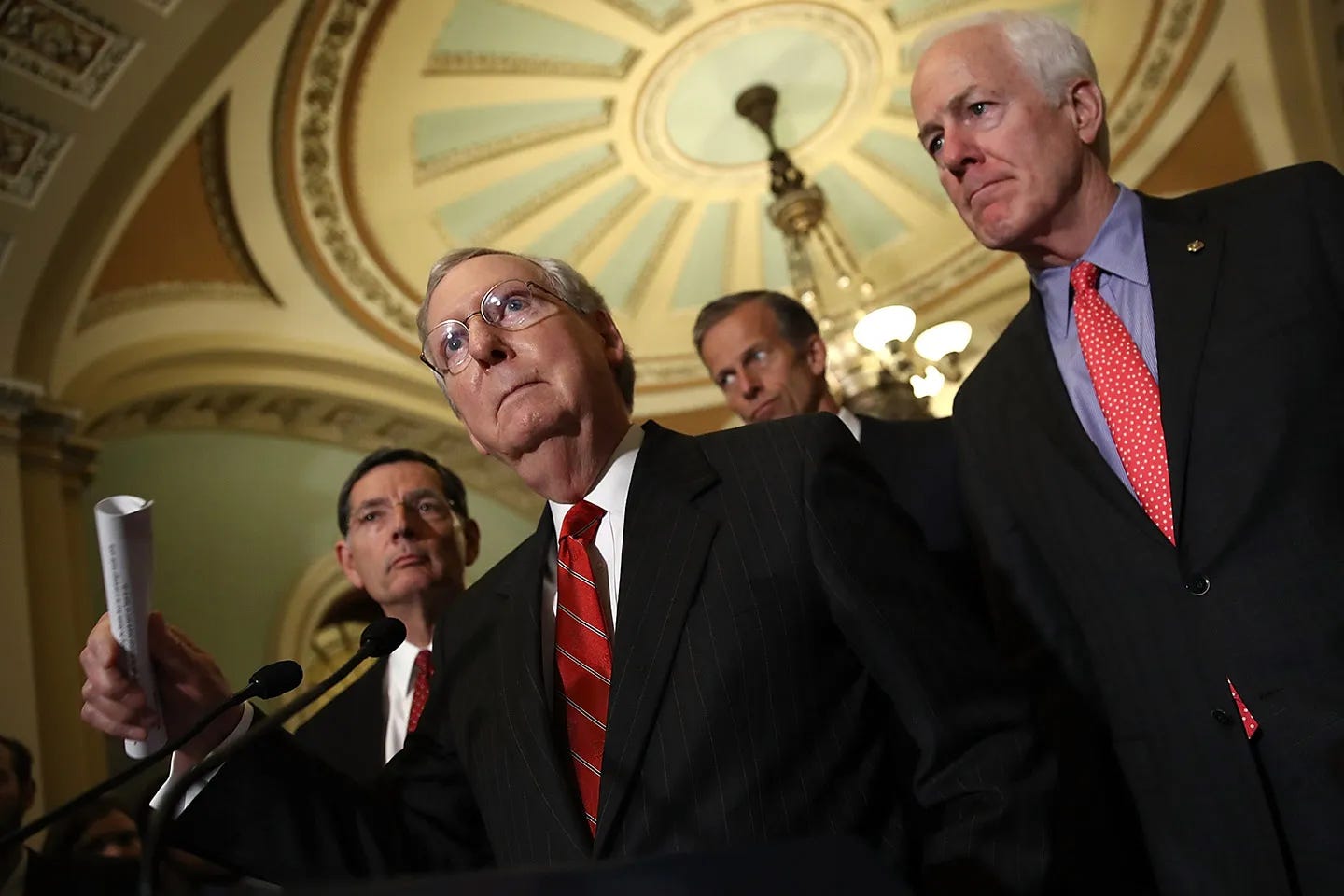
The most famous example came in 2016, when Supreme Court Justice Antonin Scalia died. President Barack Obama nominated Merrick Garland to replace him, but McConnell and Senate Republicans did not move forward with the confirmation process before the presidential election.
The seat was ultimately left for the winner of the 2016 election. Donald Trump won, and Neil Gorsuch was confirmed to the Supreme Court.
During Trump’s first term, Brett Kavanaugh and Amy Coney Barrett were also confirmed. Trump selected the nominees, but without a Senate led by McConnell, those three choices could not simply have become three Supreme Court justices.
It was an almost perfect example of institutional power: You do not necessarily need crowds chanting your name. You need control over the doors that every major decision must pass through.
2. What Does Institutional Power Really Mean?
Put simply, institutional power is the ability to use a position within the system to determine what can happen, what can be blocked and what has to wait. McConnell was not the president’s superior. He could not order Trump to run the White House in a certain way. But Trump could not fire McConnell or force the Senate to pass everything he wanted.
If the White House wanted a bill but did not have enough votes in the Senate, the bill could fail. If the president nominated a controversial figure and senators refused to support that person, the nominee might not be confirmed. That is why a Senate leader can be extremely powerful even if most ordinary voters pay little attention to his name.
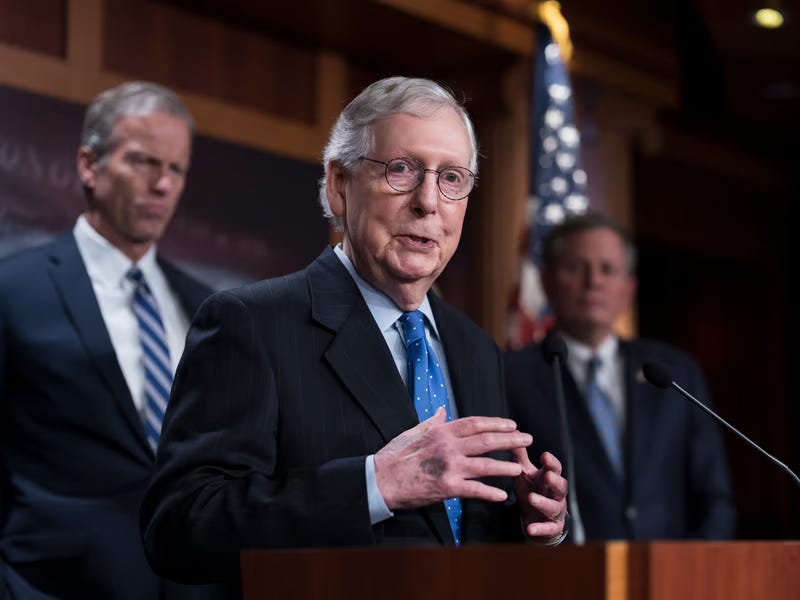
McConnell spent decades building this kind of power. He knew the senators, understood the rules, had a fundraising network, had years of negotiating experience and knew when to attack and when to delay. If politics took place only inside Washington, very few people could compete with McConnell. But politics does not take place only in Washington.
3. Trump Entered Politics With a Different Kind of Power
When Trump ran for president in 2015, he was almost the complete opposite of McConnell. Trump did not have decades of experience in Congress. He did not understand the Senate as well as McConnell, and he did not control the Republican Party machinery.
But Trump quickly proved that he had a different asset: He could persuade a large share of Republican voters to follow him even when many longtime figures in the party opposed him. This is the most important difference between the two men.
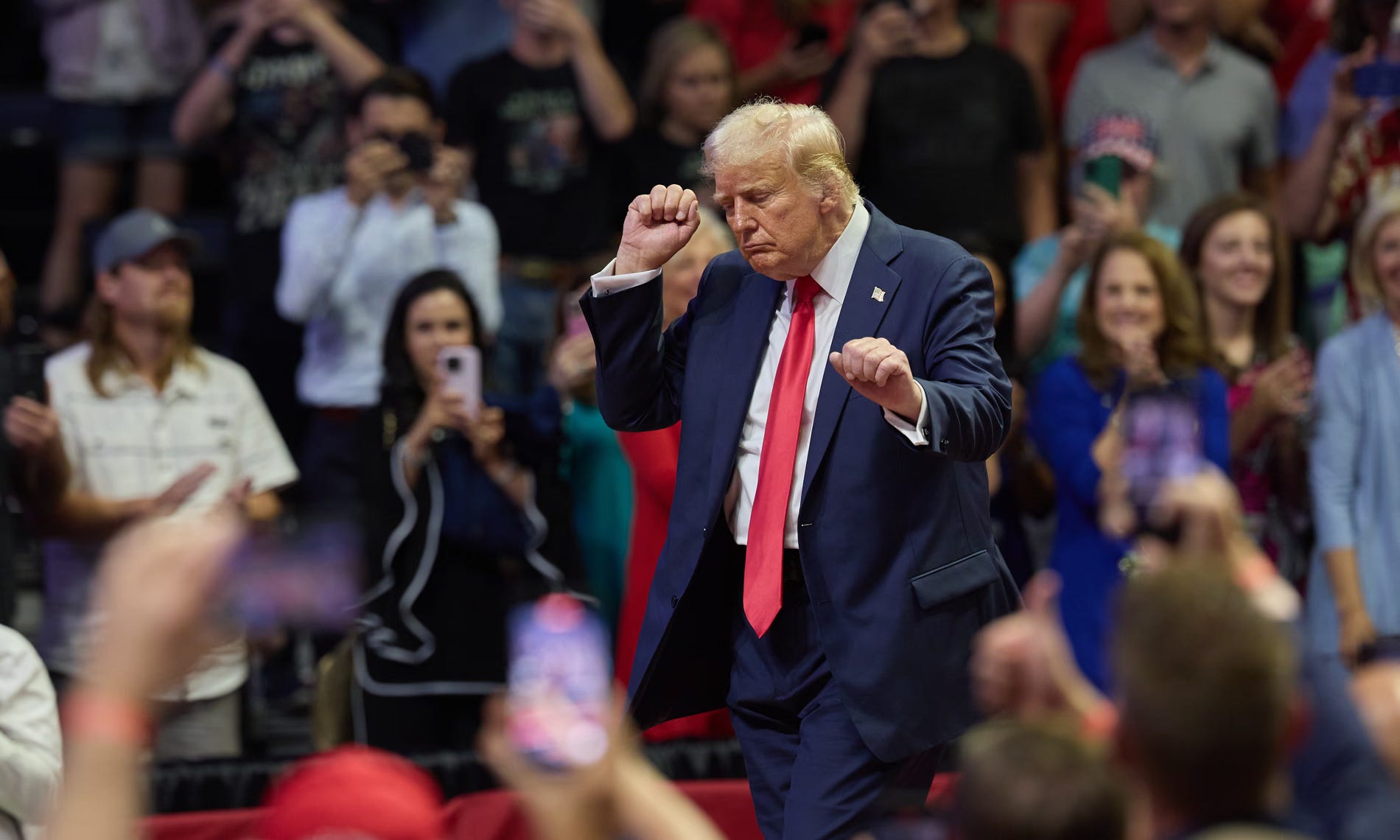
McConnell could pressure a senator through his position, relationships, resources and influence inside the Senate. Trump could pressure that same senator by speaking directly to the senator’s voters. A politician might not fear a speech by Trump in Washington. But if millions of Republican voters trusted Trump more than that politician, the situation changed completely.
Senators and representatives have to run for reelection. Before facing a Democratic candidate, many of them first have to survive a Republican primary. A public attack from Trump, or an endorsement from Trump for their opponent, could therefore become a direct threat to their political careers. McConnell could influence a politician’s position inside the system. Trump could influence whether voters would allow that politician to return to the system at all. That is a major difference.
4. When Trump and McConnell Needed Each Other
What makes the story more interesting is that the two men once worked together very effectively. During Trump’s first term from 2017 to 2021, Trump and McConnell were not close friends, but they understood that they needed each other.
Trump brought the White House, the energy of Republican voters and the ability to dominate the media agenda. McConnell brought Senate experience, the ability to organize votes and a political machine capable of turning parts of Trump’s agenda into concrete results. The 2017 tax policy and, especially, judicial appointments showed this partnership most clearly. Trump could make the choice. McConnell could find a way to get that choice through the Senate. Trump could create pressure from outside. McConnell handled the votes on the inside.
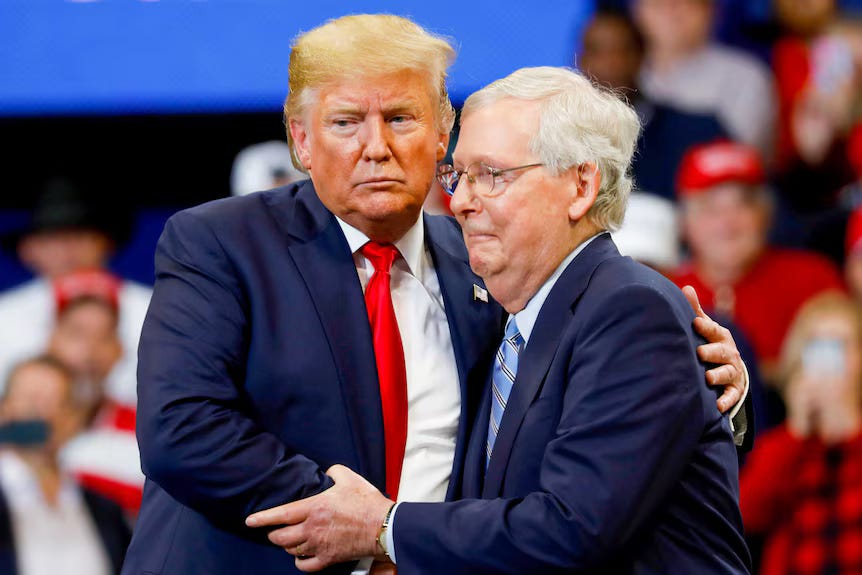
When those two kinds of power were aimed at the same objective, they were extremely effective. But the relationship also revealed an important reality: Trump still needed people who understood the system. Having voters behind him did not mean that a president could simply bypass Congress.
McConnell, in turn, also needed a Republican president capable of winning elections. Without Trump’s victory in 2016, the Supreme Court seat left open after Scalia’s death could have produced a completely different outcome. The two men needed each other until the conflict shifted from policy to the question of who truly represented the Republican Party.
5. The Split After the 2020 Election
The Trump-McConnell relationship clearly broke down after the 2020 election. Trump continued to challenge the election result, while McConnell recognized Joe Biden as the winner. After the riot at the Capitol on January 6, 2021, McConnell publicly criticized Trump in very strong terms and said Trump was practically and morally responsible for what had happened, although he later voted to acquit Trump in the second impeachment trial.
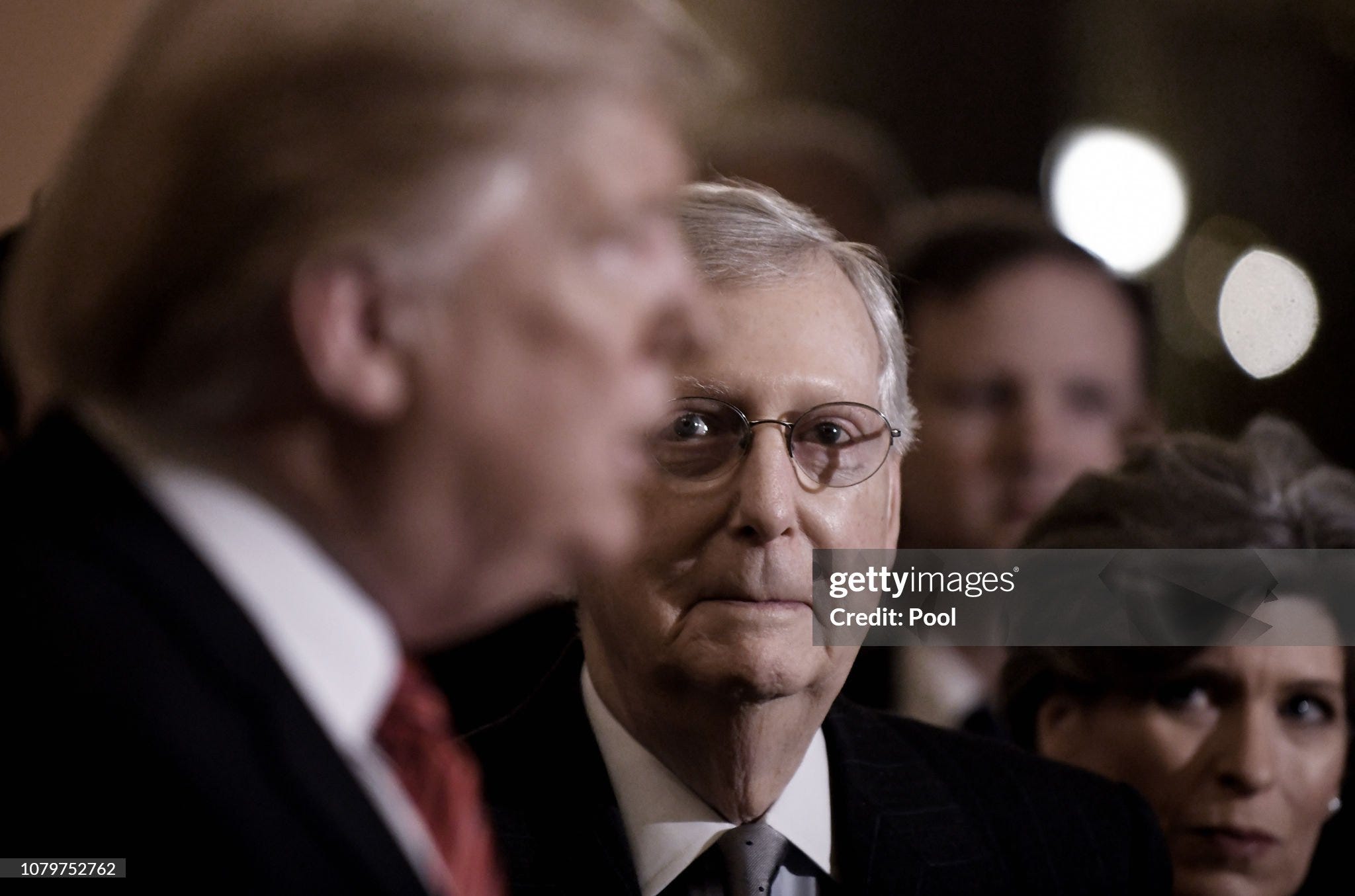
Trump responded with repeated public attacks on McConnell. Their relationship became extremely hostile, and the two barely spoke directly for years. By the logic of traditional politics, this should have been the moment when McConnell had the advantage. Trump was out of the White House. McConnell was still the Republican leader in the Senate. He had experience, relationships, money and a powerful position inside the system.
But one thing did not leave Washington with Trump: His voters. Trump continued to wield enormous influence over the Republican base. Candidates seeking to win Republican primaries continued to seek his endorsement. Republican politicians who opposed Trump had to consider the reaction of the very voters who would decide whether they could continue representing the party.
This was where the limits of McConnell’s decades of experience became clear. He might have understood the system far better than Trump, but he could not give orders to the voters.
6. Who Could Really Put Pressure on Whom?
It would be wrong to say that Trump was McConnell’s superior or that McConnell was Trump’s superior. The American system does not work that way. When Trump was president and McConnell led the Senate, they occupied different centers of power. Each could make life difficult for the other, but they had different tools.
If Trump wanted to pass legislation or confirm a nominee, McConnell could say that he did not have enough votes. Trump could become angry, attack him or apply pressure, but he could not simply order the Senate to act. That was McConnell’s power. But if McConnell wanted a Republican senator to oppose Trump, that senator had to ask a different question: Whose side are my voters on? That was Trump’s power.
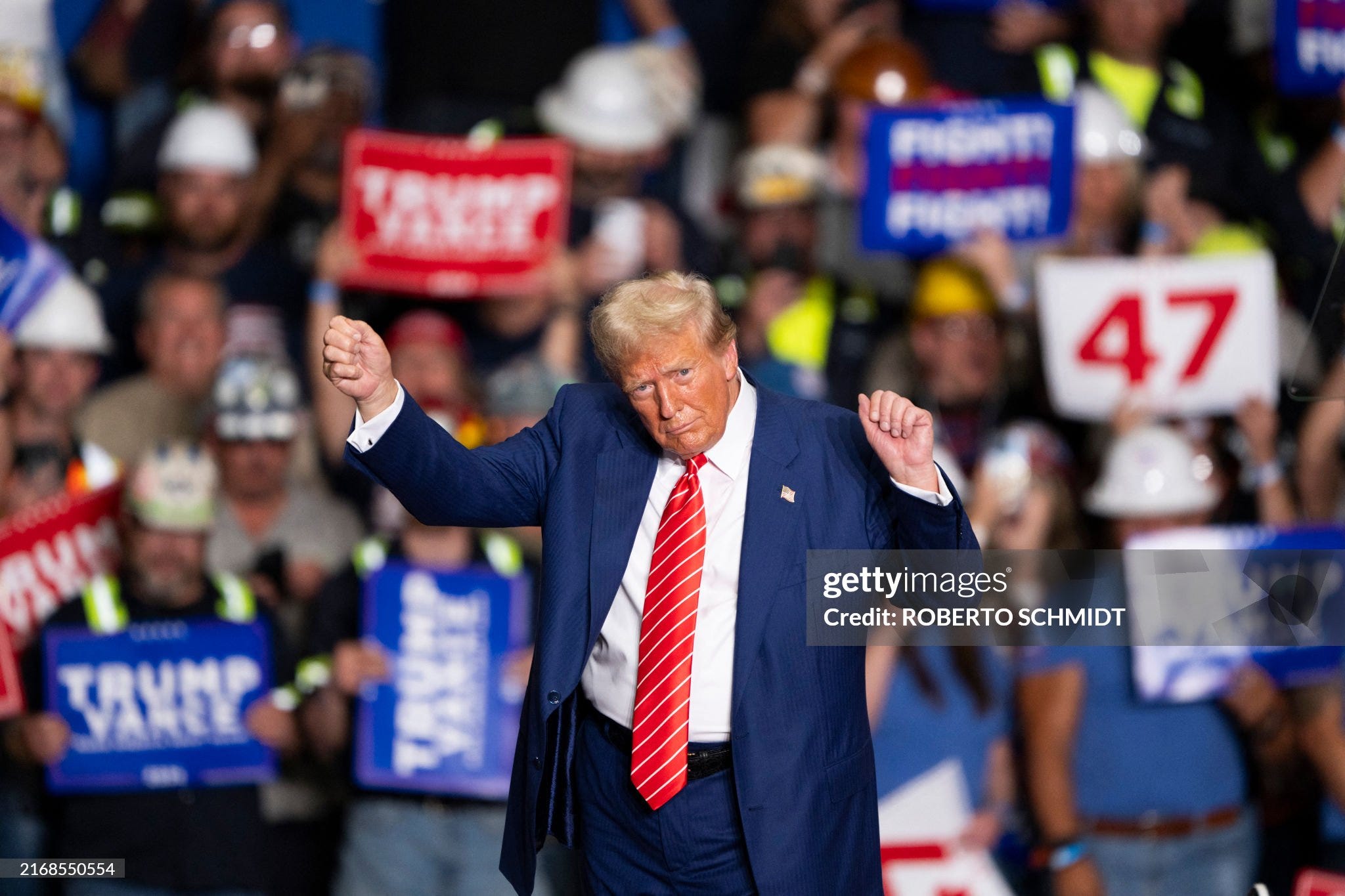
And over the long term, this created a more serious problem for someone who relied on institutional power. McConnell could make life difficult for a politician in Washington for several years. But voters could end that politician’s career in the next election. A Senate leader could control the existing machinery, but if large numbers of voters repeatedly chose candidates loyal to someone else, the composition of that machinery would gradually change.
7. When Two Kinds of Power Collide
This is the most important point in the Trump-McConnell story.
Trump entered politics with almost no political experience. By that time, McConnell had already spent more than three decades in the Senate and nearly a decade leading Senate Republicans. If political experience, relationships and control of the machinery were everything, Trump would have had almost no chance of competing with McConnell for power inside the party. But Trump found a shorter route. Instead of spending decades climbing through the system step by step, he built a direct relationship with a large number of voters.
When enough voters stand behind a politician, the people who hold positions inside the machinery have to take that into account because they also need those same voters to keep their seats. This does not mean Trump can do whatever he wants. Congress, the courts, the Constitution and institutional constraints still exist.
But in an internal struggle within a political party, commanding the support of a large share of voters creates a special advantage: You can pressure the people who control the machinery by threatening the very source of their own power.
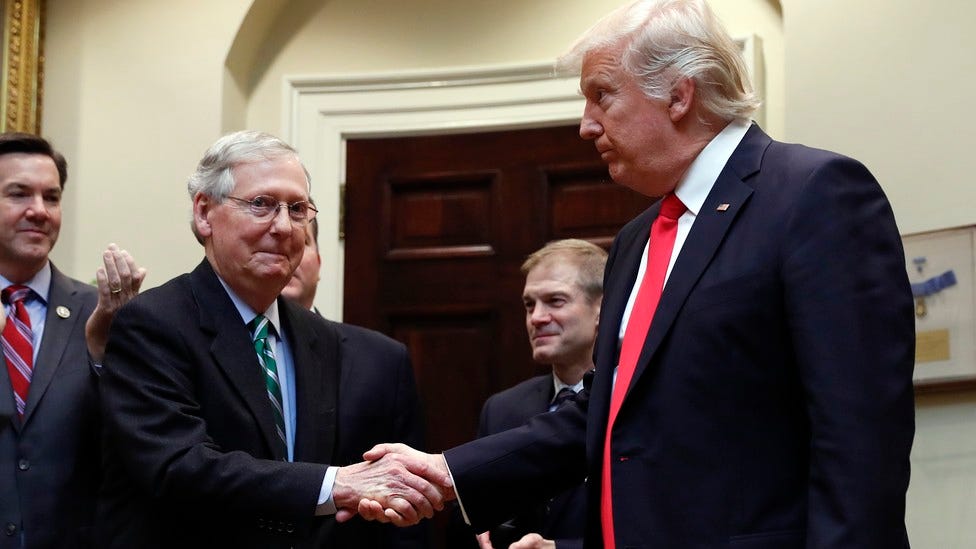
By 2024, this was very clear. McConnell had harshly criticized Trump after 2020. Trump had attacked McConnell for years. But when Trump once again secured the Republican presidential nomination, McConnell endorsed him. That did not mean McConnell had become a close Trump ally or that the two had resolved all their disagreements. It showed something simpler: Republican voters had made their choice. McConnell could control many things in the Senate, but he could not replace that choice.
8. McConnell’s Final Chapter and the Lesson About Power
Mitch McConnell’s return to the Senate in a wheelchair on September 14, 2026 marked one of the final stages of a political career spanning more than 40 years. He no longer leads Senate Republicans and will leave the Senate when his term ends in January 2027.
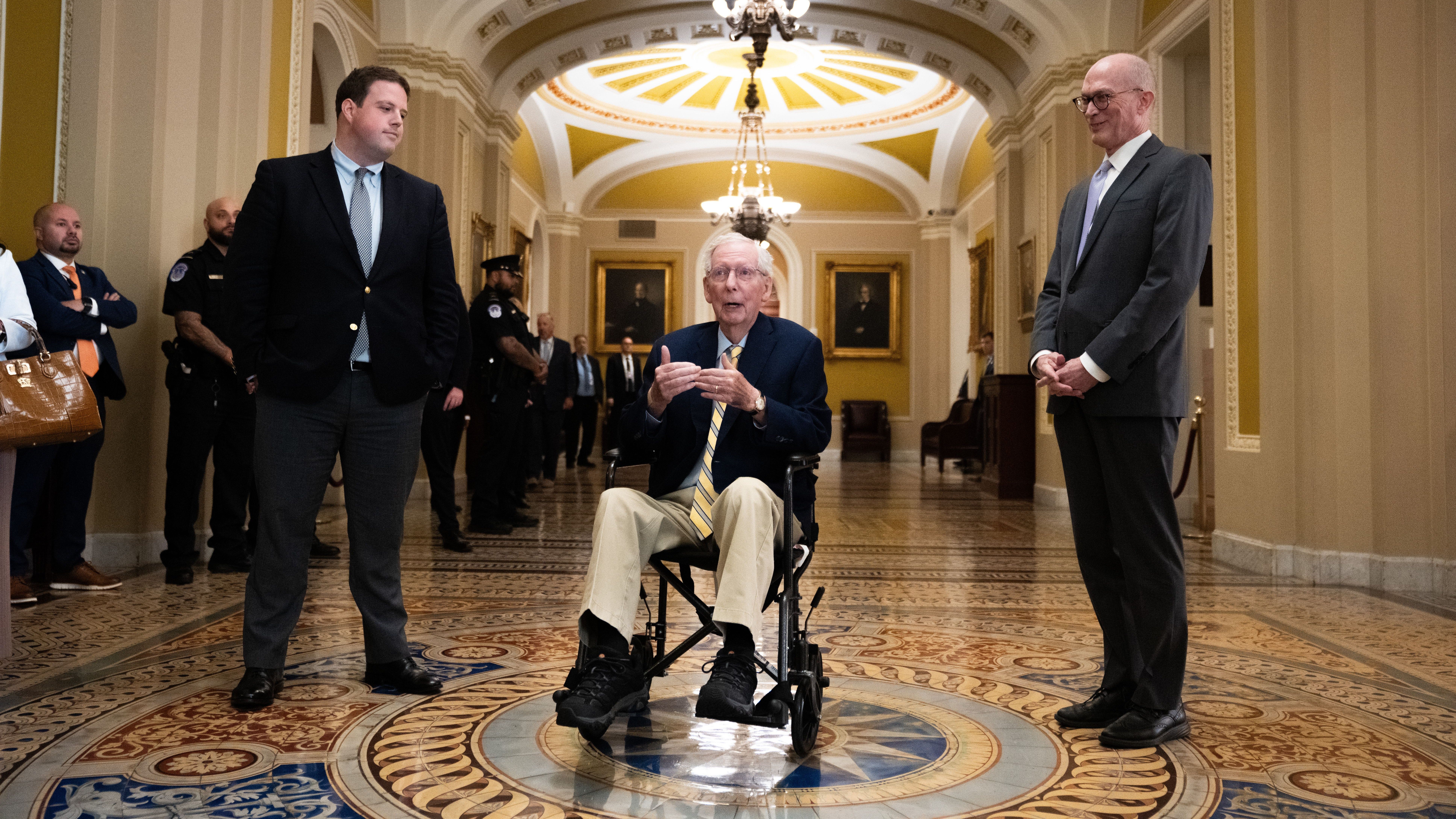
McConnell will leave behind a major legacy. He led Senate Republicans for 18 years, helped shape the Supreme Court and the federal judiciary, and became one of the politicians who best understood how to use the power of the Senate. Many decisions made during his time in leadership will continue to affect the United States after he leaves Washington.
But the Republican Party McConnell is preparing to leave is very different from the one he once led. Trump entered politics with no experience in government, overcame much of the party’s traditional leadership and ultimately became the political center of the party. The conflict between the two men therefore leaves an important lesson: Power inside the system can take decades to build, while sufficiently broad support from voters can shift the balance of power much faster.