


Turkey Is Replacing Iran in Iraq
Just as expected, as Iran’s power declines, countries that once maintained close ties with Tehran are beginning to seek new strategic partners.
Iraqi Prime Minister Ali al-Zaidi’s visit to Ankara is a clear example. The two countries expanded cooperation not only in energy but also in defense. President Erdogan announced that Iraq could supply up to one million barrels of oil per day to Turkey, while Turkish Petroleum (TPAO) officially became a partner in the BP-operated Kirkuk oil field. Erdogan described the agreement as a historic milestone in bilateral relations.
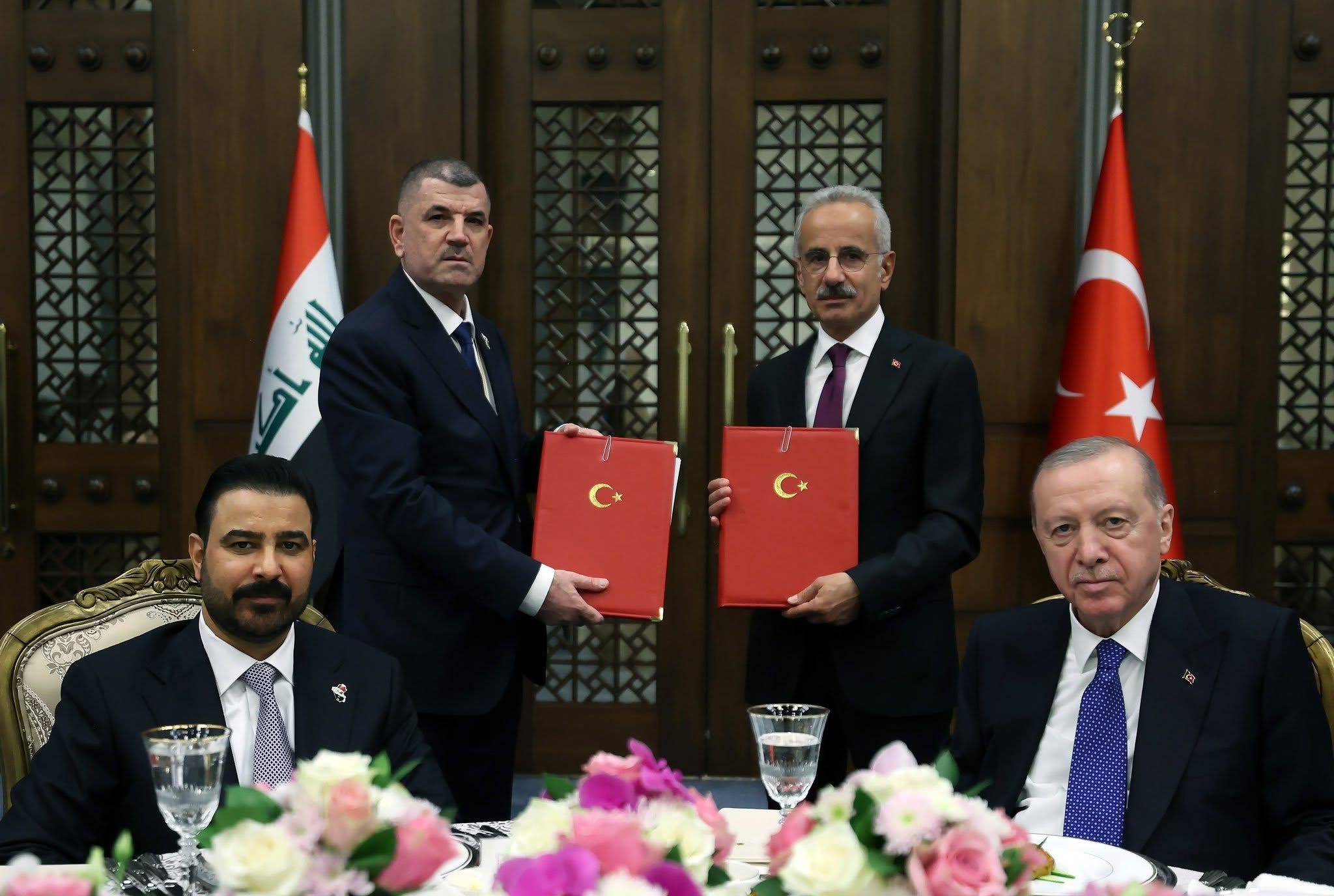
More importantly, Ankara is not merely buying Iraqi oil. It is investing directly in production while also offering to supply Iraq with defense industry products. This demonstrates Turkey’s growing influence over Iraq’s economy, energy sector, and security.
For years, Iran was Iraq’s most influential external power through political ties, religious networks, and allied militias. But as war, sanctions, and international pressure weaken Tehran, a strategic vacuum is emerging. Turkey is moving quickly to fill that space through investment, trade, and long-term strategic cooperation rather than proxy forces.
This also reflects a familiar rule of geopolitics. Countries are rarely loyal to allies; they are loyal to their own interests. As the balance of power shifts, partnerships shift with it. If Iran continues to weaken, Iraq may be only the first of several states gradually moving away from Tehran toward new regional power centers.
#Turkey #Iraq #Iran #MiddleEast #Geopolitics
Control Threat | Strategic Risk Analysis