


Somaliland is lobbying the United States to recognize its independence. Israel became the first United Nations member state to formally recognize Somaliland on December 26, 2025. Somalia, meanwhile, has been strengthening diplomatic and defense ties with Turkey, Egypt, Saudi Arabia and Qatar. The United Arab Emirates has built deep influence in Somaliland, while Ethiopia has long sought greater access to the sea through the territory.
Taken separately, these developments may look like a collection of military agreements, port investments and diplomatic initiatives. Put them on the same map, however, and a larger structure begins to emerge. A dispute that has lasted for more than 30 years between Somalia and Somaliland is becoming increasingly connected to wider power struggles across the Horn of Africa, the Gulf of Aden and the Red Sea.
Contents
Why Do Somalia and Somaliland Exist Separately?
Why Is Somaliland Becoming More Strategically Important?
Somalia: Which Countries Are Moving Closer to Mogadishu?
Somaliland: Which Countries Are Moving Closer to Hargeisa?
Which Rivalries Are Converging on Somalia and Somaliland?
How Far Have Signs of Proxy Competition Developed?
How Is Somaliland Lobbying the United States?
A Local Dispute Is Becoming a Regional Power Contest
1. Why Do Somalia and Somaliland Exist Separately?
Somalia and Somaliland are not 2 internationally recognized countries with equal legal status. Somalia is an internationally recognized state. Somaliland has its own government, president, security forces, currency and administrative institutions, but most of the international community still considers it part of Somalia. The African Union continues to support Somalia’s sovereignty and territorial integrity and rejects the unilateral recognition of Somaliland as an independent state.
The roots of this situation go back to the colonial period. The territory that is now Somaliland was formerly British Somaliland, while much of southern Somalia was administered by Italy. British Somaliland became independent on June 26, 1960. On July 1, 1960, the former Italian administered territory also became independent, and the 2 territories united to form the Somali Republic. The union was therefore not simply the absorption of one province into an already existing country. Two territories that had been governed separately by Britain and Italy joined together to create a new state.
The union later descended into crisis. Under Mohamed Siad Barre, conflict between the central government and the Somali National Movement in the north became increasingly severe. In 1988, Hargeisa was devastated during fighting between government forces and the insurgency. Human Rights Watch has documented mass civilian deaths and large scale displacement during the conflict. When Siad Barre’s government collapsed in 1991, leaders of the Somali National Movement and traditional elders declared Somaliland independent from Somalia.
This history explains why Hargeisa rejects the idea that Somaliland should simply be described as a province seeking secession. Somaliland argues that it had already existed as an independent state before voluntarily joining Somalia in 1960, that the union later failed, and that Somaliland restored its independence in 1991. Mogadishu rejects that interpretation and considers Somaliland an integral part of Somalia. That fundamental disagreement has continued for more than 3 decades.
2. Why Is Somaliland Becoming More Strategically Important?
If Somaliland were located somewhere less strategically important, the dispute might have remained primarily an issue between Hargeisa and Mogadishu. Instead, Somaliland controls a long coastline along the Gulf of Aden, directly across from Yemen and close to the maritime route leading through Bab el Mandeb into the Red Sea. The port of Berbera sits near one of the major corridors linking the Indian Ocean with the Suez Canal and European markets.
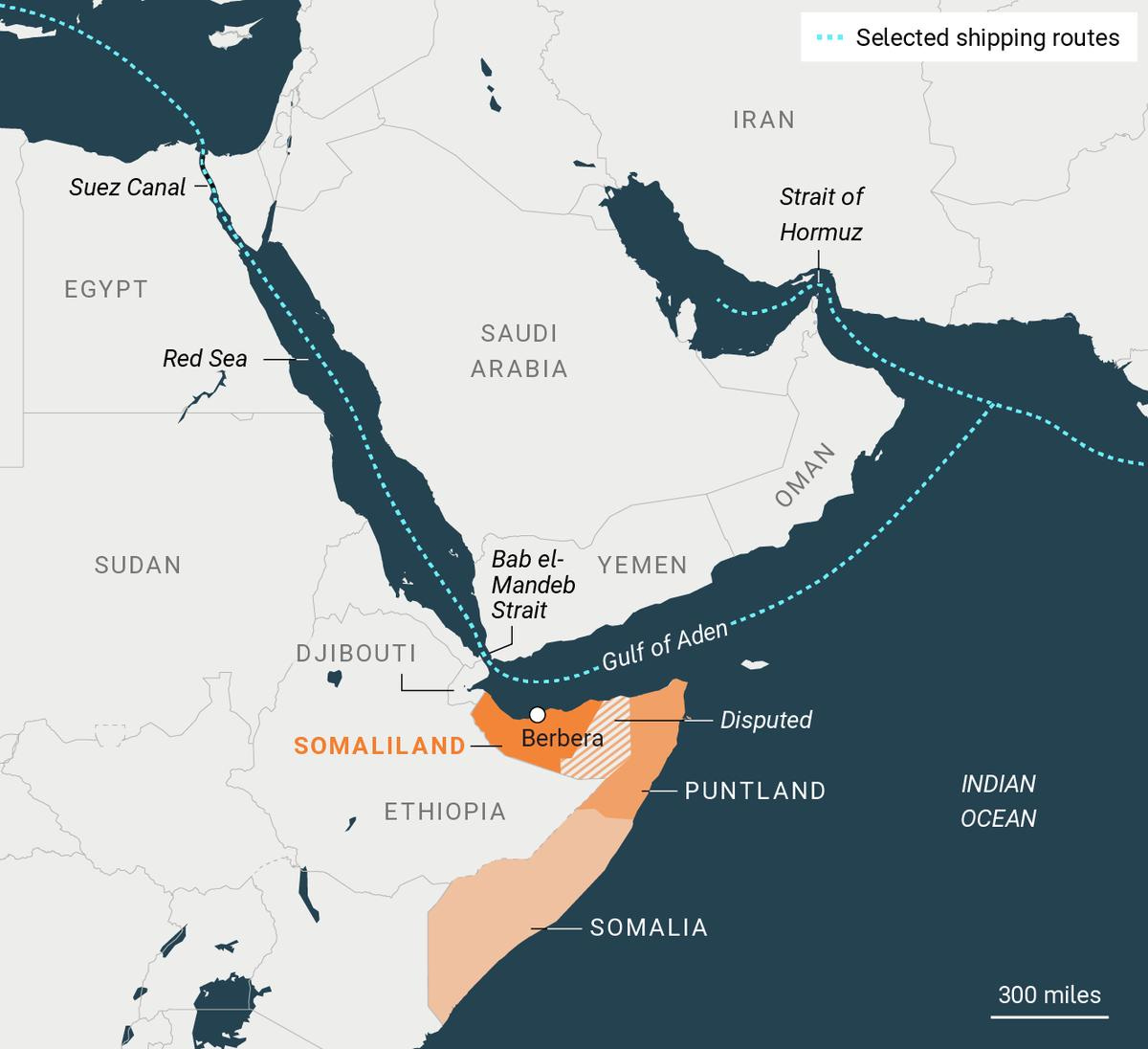
Its geographic value has increased as the Houthis in Yemen have expanded their ability to threaten commercial shipping around Bab el Mandeb. Access to Berbera could provide an additional commercial, logistical or security position on the southern side of the Gulf of Aden. This does not mean Berbera has already become a foreign military base, but it helps explain why the port repeatedly appears in the calculations of the United Arab Emirates, Ethiopia, Israel and now Somaliland’s lobbying campaign in Washington.
Somaliland also understands that geography can be converted into diplomatic leverage. Hargeisa is no longer relying only on historical arguments or more than 30 years of effective self government. Its government is putting Berbera, mineral resources, investment opportunities and potential security cooperation on the table as incentives for countries willing to deepen relations with Somaliland.
3. Somalia: Which Countries Are Moving Closer to Mogadishu?
Somalia’s objective is relatively clear: Keep Somaliland within the borders Mogadishu considers sovereign territory, prevent additional countries from recognizing Somaliland and strengthen the federal government’s military capabilities. But the countries moving closer to Somalia do not all have the same motivation. Each views Mogadishu through a different strategic lens.
Turkey: Military Influence and a Strategic Position in the Horn of Africa
Turkey is one of Somalia’s most important military partners. Ankara has trained Somali security forces for years and maintains a major military training facility in Mogadishu. In 2024, the 2 countries signed a 10 year defense and economic agreement under which Turkey would help develop Somalia’s naval capabilities and protect its territorial waters. Turkey has also publicly opposed the recognition of Somaliland and continues to support Somalia’s territorial integrity.
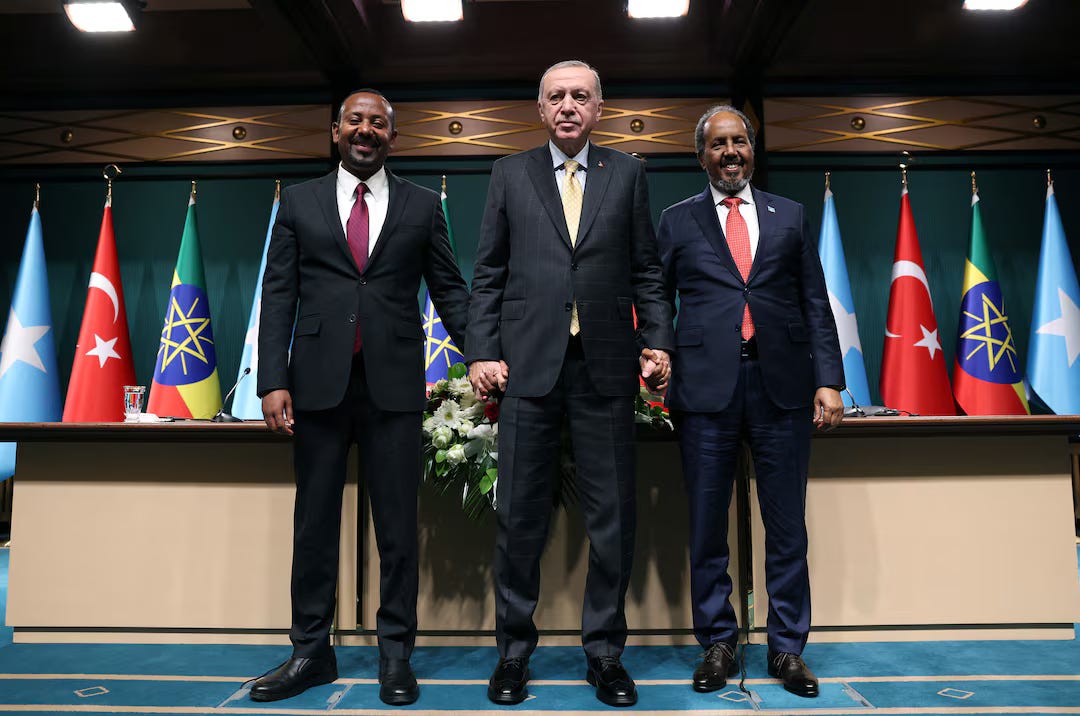
Somalia receives military training, greater defense capacity and a partner capable of helping protect its coastline. Turkey, in return, gains a strategic position in the Horn of Africa close to major trade routes linking the Indian Ocean and the Red Sea. Ankara’s relationship with Mogadishu also extends into infrastructure, energy, trade and diplomacy. Supporting Somalia’s territorial integrity therefore also protects a political and strategic relationship that Turkey has spent years building.
Egypt: Somalia Is Also Part of the Competition with Ethiopia
Egypt significantly increased its defense relationship with Somalia after Ethiopia signed a memorandum of understanding with Somaliland in early 2024. Cairo and Mogadishu reached a security agreement, after which Egypt began delivering weapons to Somalia. In September 2024, an Egyptian warship delivered additional artillery and air defense weapons to Mogadishu, according to Reuters.
Egypt’s motivation goes beyond supporting Somalia. Cairo has a long running strategic dispute with Ethiopia, particularly over the Grand Ethiopian Renaissance Dam on the Nile. When Ethiopia sought access to Somaliland’s coast and the possibility of establishing a naval facility there, Egypt gained another reason to strengthen its relationship with Mogadishu.
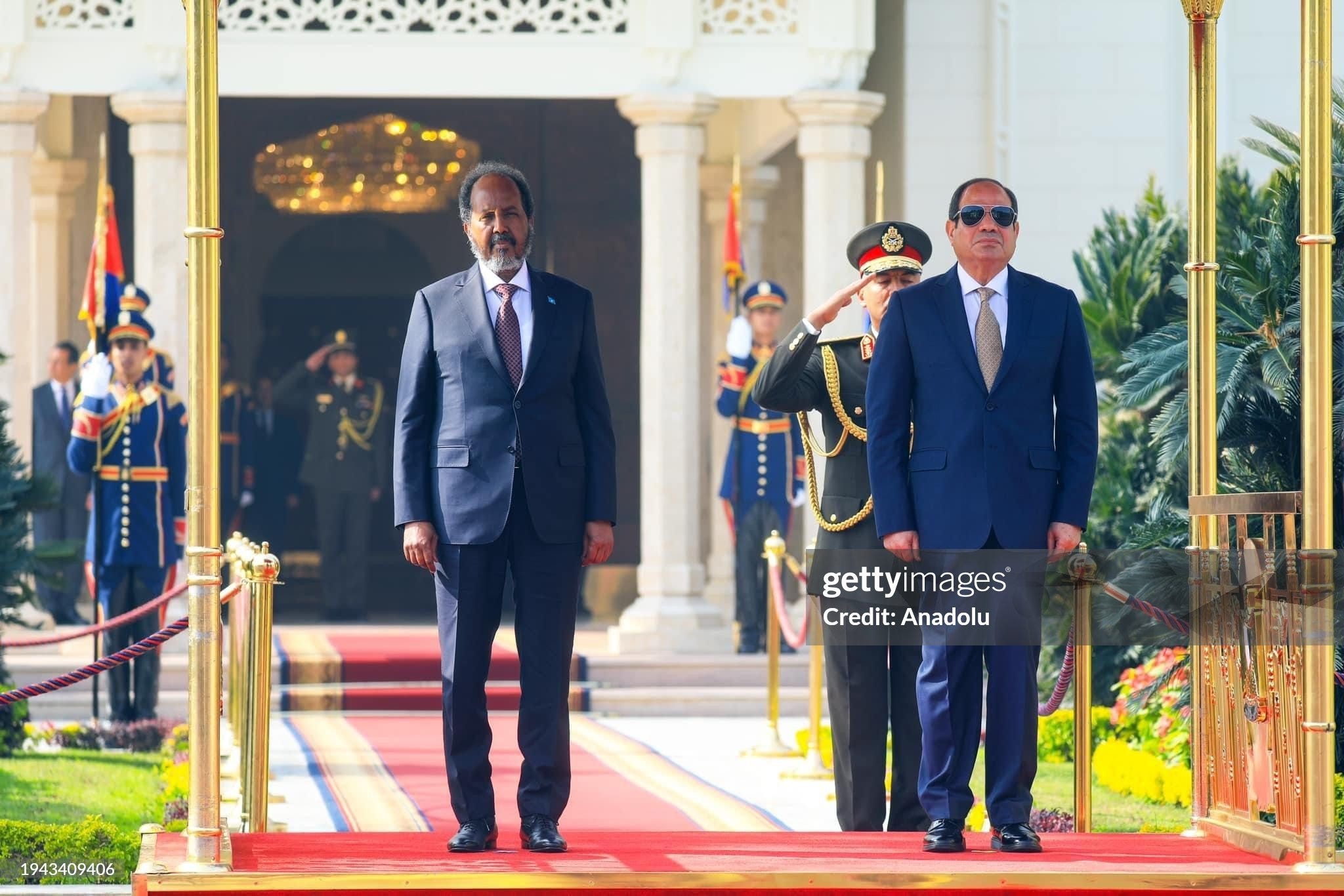
Somalia therefore gives Egypt another source of strategic pressure around Ethiopia. In return, Egypt provides Somalia with weapons, military cooperation and a partner with a direct interest in preventing Ethiopia from using Somaliland to alter the regional balance. Reuters reported in 2024 that the growing convergence of Egyptian and Somali interests was already raising concerns that the Egypt Ethiopia rivalry could spill into another arena in the Horn of Africa.
Saudi Arabia: Red Sea Security and Competition with the United Arab Emirates
Saudi Arabia publicly supports Somalia’s sovereignty and territorial integrity. In February 2026, the 2 countries signed a memorandum on military cooperation in Riyadh. Saudi Arabia has also opposed moves that could weaken Somalia’s unity and sovereignty.
Riyadh has an obvious geographic reason to care. Somalia and Somaliland lie across the Gulf of Aden and the Red Sea from the Arabian Peninsula. Developments in Yemen, Bab el Mandeb and the Horn of Africa can directly affect Saudi trade, energy flows and maritime security.
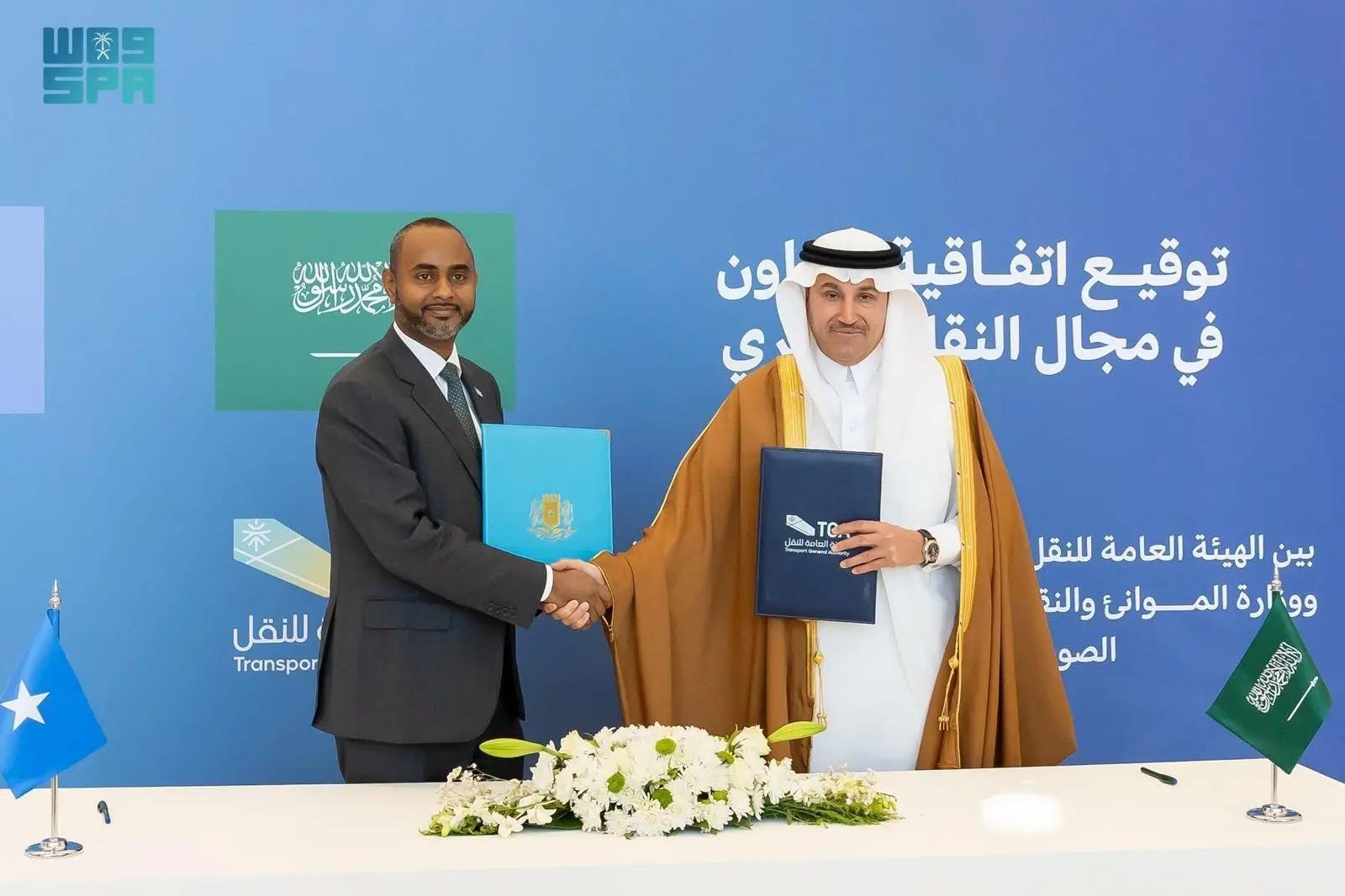
The agreement was signed by Minister of Transport and Logistic Services and Chairman of the Board of Directors of the Transport General Authority Saleh Al-Jasser and Somali Minister of Ports and Maritime Transport Abdulkadir Mohamed Nur, in the presence of several officials from both sides.
There is another layer of competition. Reuters reported in February 2026 that tensions between Saudi Arabia and the United Arab Emirates had extended from Yemen into the Horn of Africa. While Abu Dhabi has developed extensive economic and security networks in Somaliland and elsewhere, Riyadh has increased coordination with Egypt, Turkey and Qatar.
This does not mean Saudi Arabia supports Somalia simply to counter the United Arab Emirates. But Somalia is becoming a place where Riyadh’s Red Sea security concerns and its wider competition with Abu Dhabi can overlap.
Qatar: Defense Cooperation and Influence in Mogadishu
Qatar also supports Somalia’s sovereignty and has opposed unilateral recognition of Somaliland. In January 2026, Somalia and Qatar signed a defense cooperation agreement covering military training, exchange of expertise, defense capacity development and broader security cooperation.
Doha has maintained political ties with Mogadishu and views the Horn of Africa as part of a wider network of influence across the Middle East and Africa. For Somalia, Qatar adds another diplomatic and defense partner to a network that already includes Turkey, Egypt and Saudi Arabia.
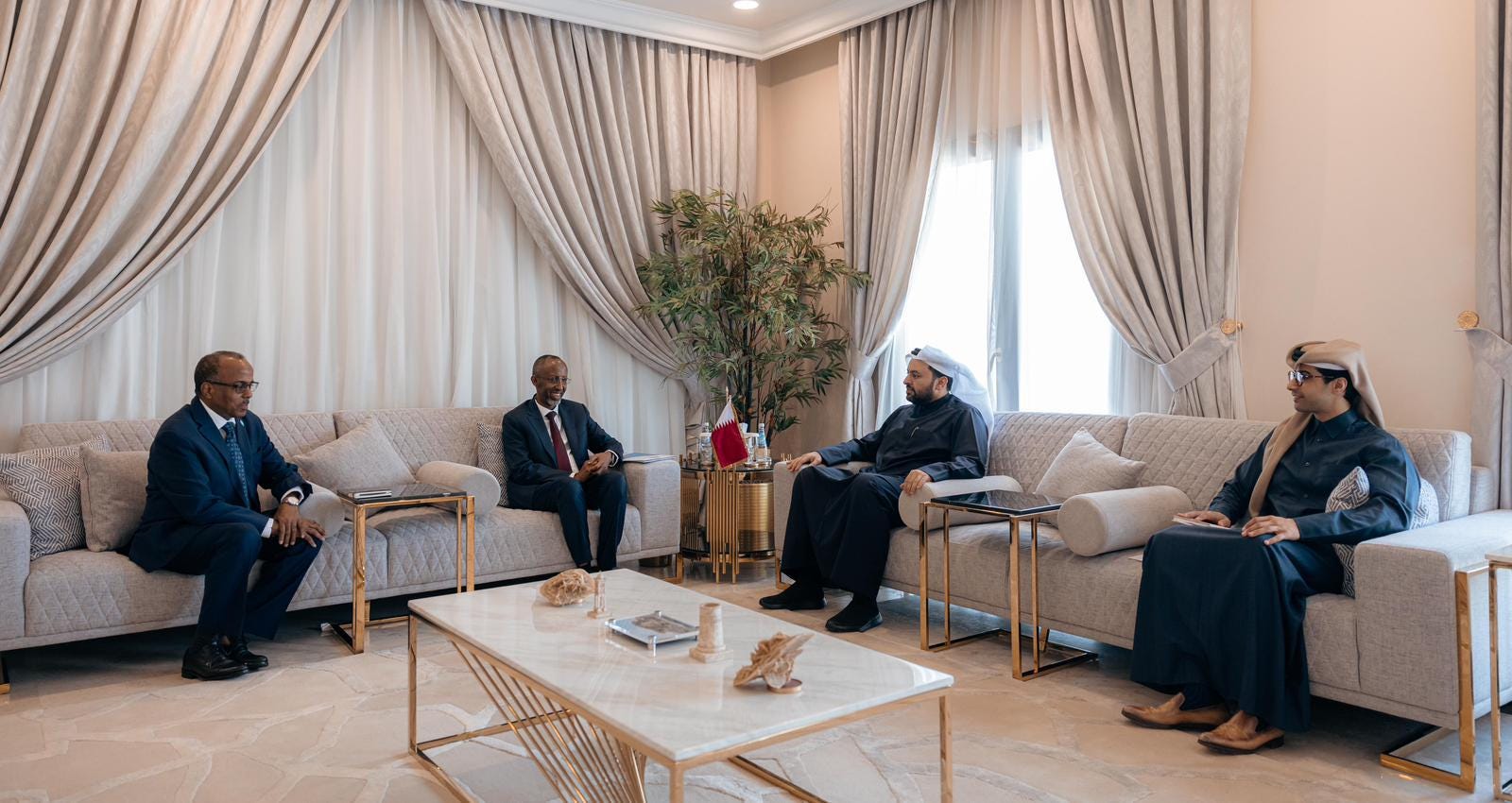
HE Minister of State at the Ministry of Foreign Affairs Dr. Mohammed bin Abdulaziz Al Khulaifi met on Monday with HE Somali President’s Envoy, Farah Sheikh Abdulkadir Mohamed and HE State Minister for Foreign Affairs of the Federal Republic of Somalia, Ali Mohamed Omar.
Taken together, Somalia now has a relatively clear group of partners. Turkey provides long term military presence and training. Egypt supplies weapons and views Somalia partly through its competition with Ethiopia. Saudi Arabia is focused on Red Sea security and the regional balance with the United Arab Emirates. Qatar is expanding defense cooperation while maintaining political influence in Mogadishu.
These countries do not form a formal military alliance defending Somalia. Their interests are different. But for now, all of them have reasons to support Somalia’s sovereignty and territorial integrity rather than Somaliland’s independence.
4. Somaliland: Which Countries Are Moving Closer to Hargeisa?
Somaliland is pursuing a fundamentally different objective. Hargeisa has exercised effective control over much of its territory for decades, but control on the ground has not translated into broad international recognition. Somaliland is therefore using geography, ports, natural resources and security cooperation to build relationships that could help break its diplomatic isolation.
Israel: Diplomatic Recognition Combined with Military Cooperation
Israel has gone further than any other country. On December 26, 2025, Israel became the first United Nations member state to formally recognize Somaliland as an independent country. Somalia rejected the decision, while the African Union maintained that Somaliland remained part of Somalia.
The relationship then expanded into security cooperation. In June 2026, Somaliland’s defense minister confirmed to Reuters that Israel was training Somaliland police and military forces. He denied reports, however, that the 2 sides were negotiating the establishment of an Israeli military base in Somaliland.
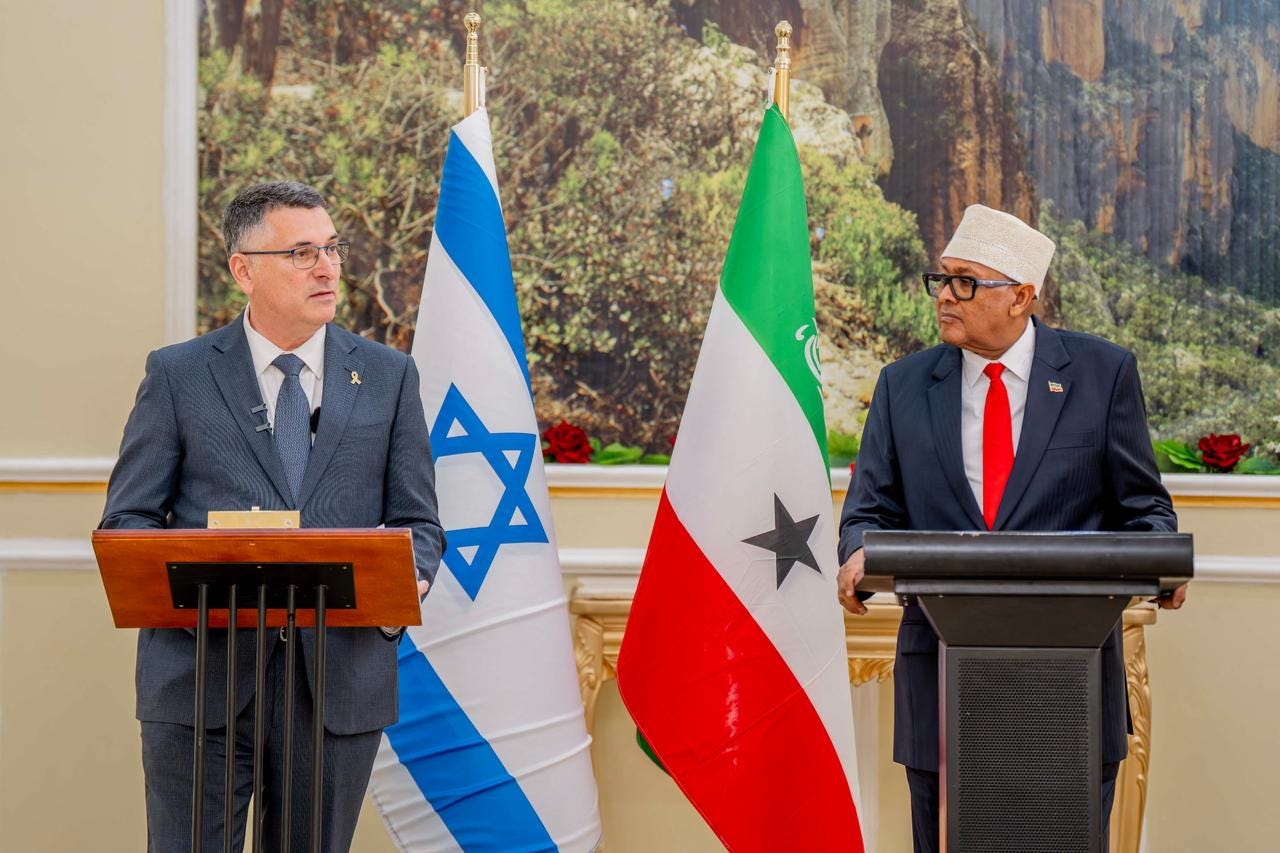
For Somaliland, Israel provides what Hargeisa needs most: Recognition. Recognition by a United Nations member state creates a precedent and demonstrates that the international consensus surrounding Somaliland can be broken.
For Israel, Somaliland’s geography is significant. Somaliland lies directly across the Gulf of Aden from Yemen and close to Bab el Mandeb, while the Houthis have become a direct security threat to Israel and to Red Sea shipping. This does not prove that Israel recognized Somaliland solely because of the Houthis, but it creates a clear strategic rationale for deeper relations with Hargeisa.
United Arab Emirates: Ports, Investment and a Network of Influence
The United Arab Emirates has not formally recognized Somaliland as an independent state, but Abu Dhabi has exercised significant practical influence there for years. Dubai based DP World has invested more than $400 million in expanding the port of Berbera and developing a commercial zone around it. Somaliland has also maintained economic and security ties with the United Arab Emirates even after the Somali federal government cut relations with Abu Dhabi in early 2026.
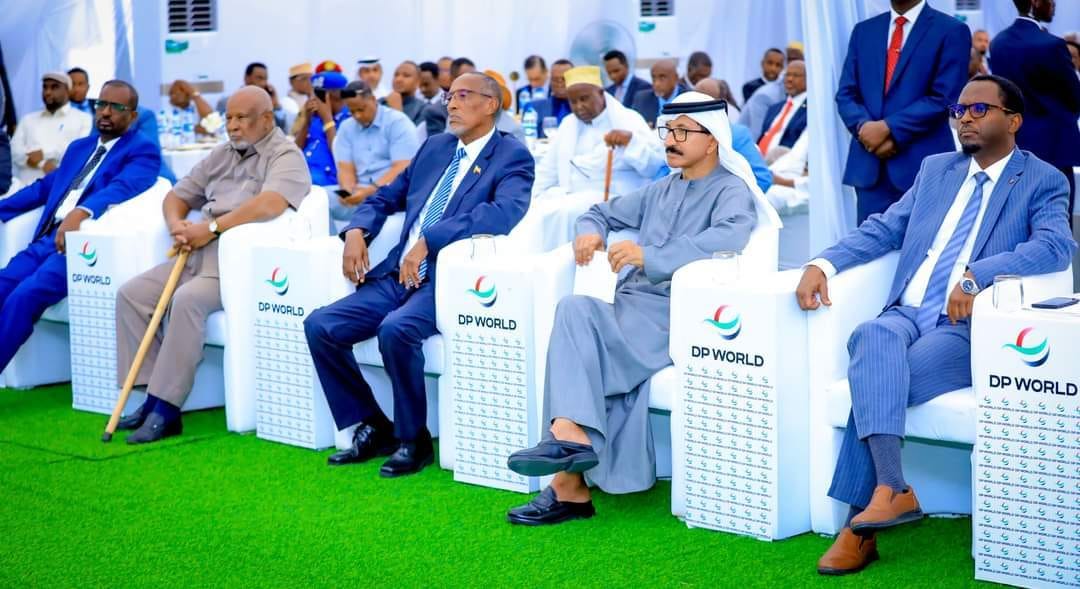
Somaliland receives capital, infrastructure, commercial connectivity and access to an influential Arab partner. The United Arab Emirates, in return, gains a strategic position on the Gulf of Aden and another node in a wider network stretching from the Arabian Peninsula into the Horn of Africa.
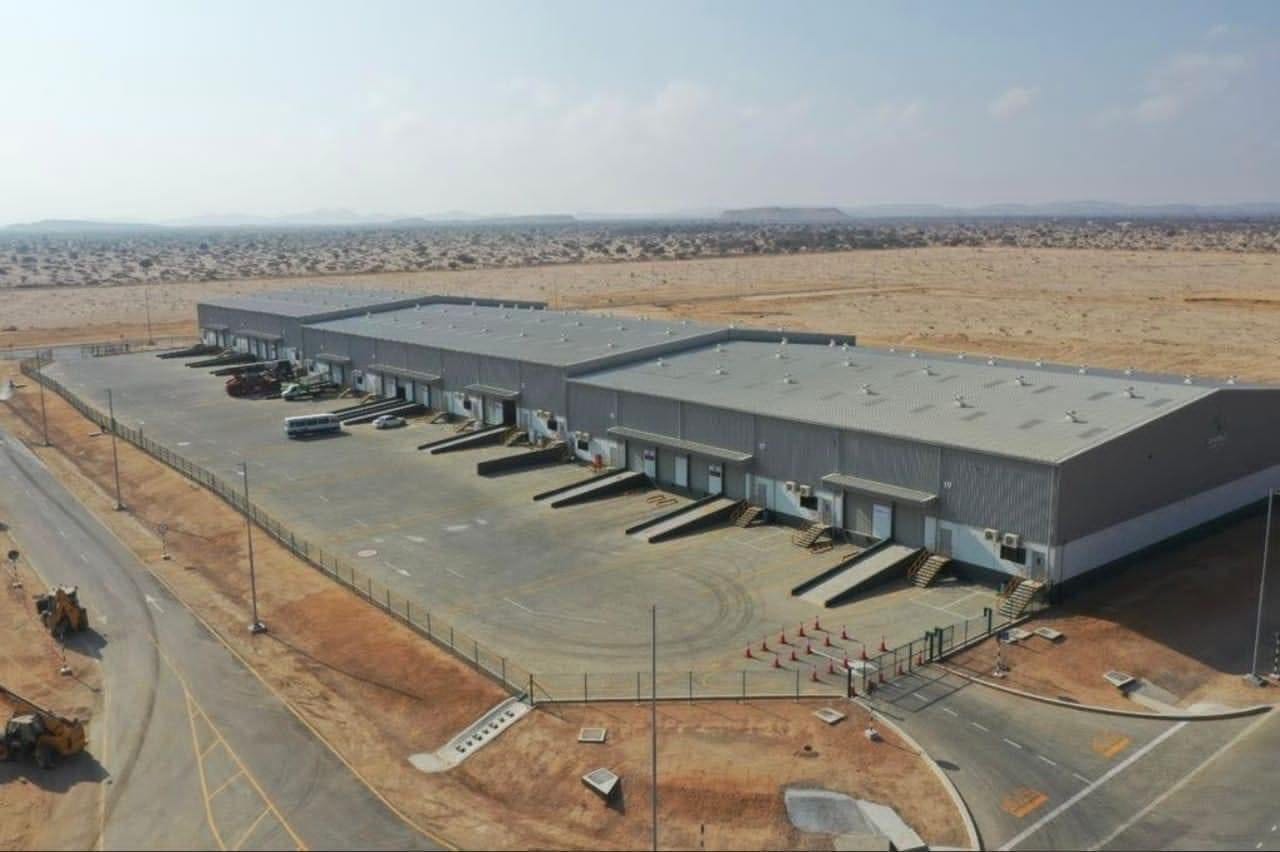
Reuters has described Abu Dhabi as having built substantial economic and military influence across the region through investment, diplomacy and relationships with local actors. That is why the relationship between the United Arab Emirates and Somaliland is increasingly viewed within the wider context of Saudi and Emirati competition in the Horn of Africa.
Ethiopia: Somaliland Has What Addis Ababa Lacks Most
Ethiopia’s motivation is more straightforward: Access to the sea. Ethiopia lost its coastline after Eritrea became independent and remains heavily dependent on Djibouti for international trade. In early 2024, Ethiopia signed a memorandum of understanding with Somaliland seeking access to part of its coastline for commercial purposes and the possible development of a naval facility. Somalia regarded the agreement as a violation of its sovereignty.
In return, Somaliland hoped Ethiopia might eventually move toward recognizing its independence. If that happened, Hargeisa would gain recognition from one of the most influential countries in the Horn of Africa, while Ethiopia would gain another route to the sea and reduce its dependence on Djibouti.
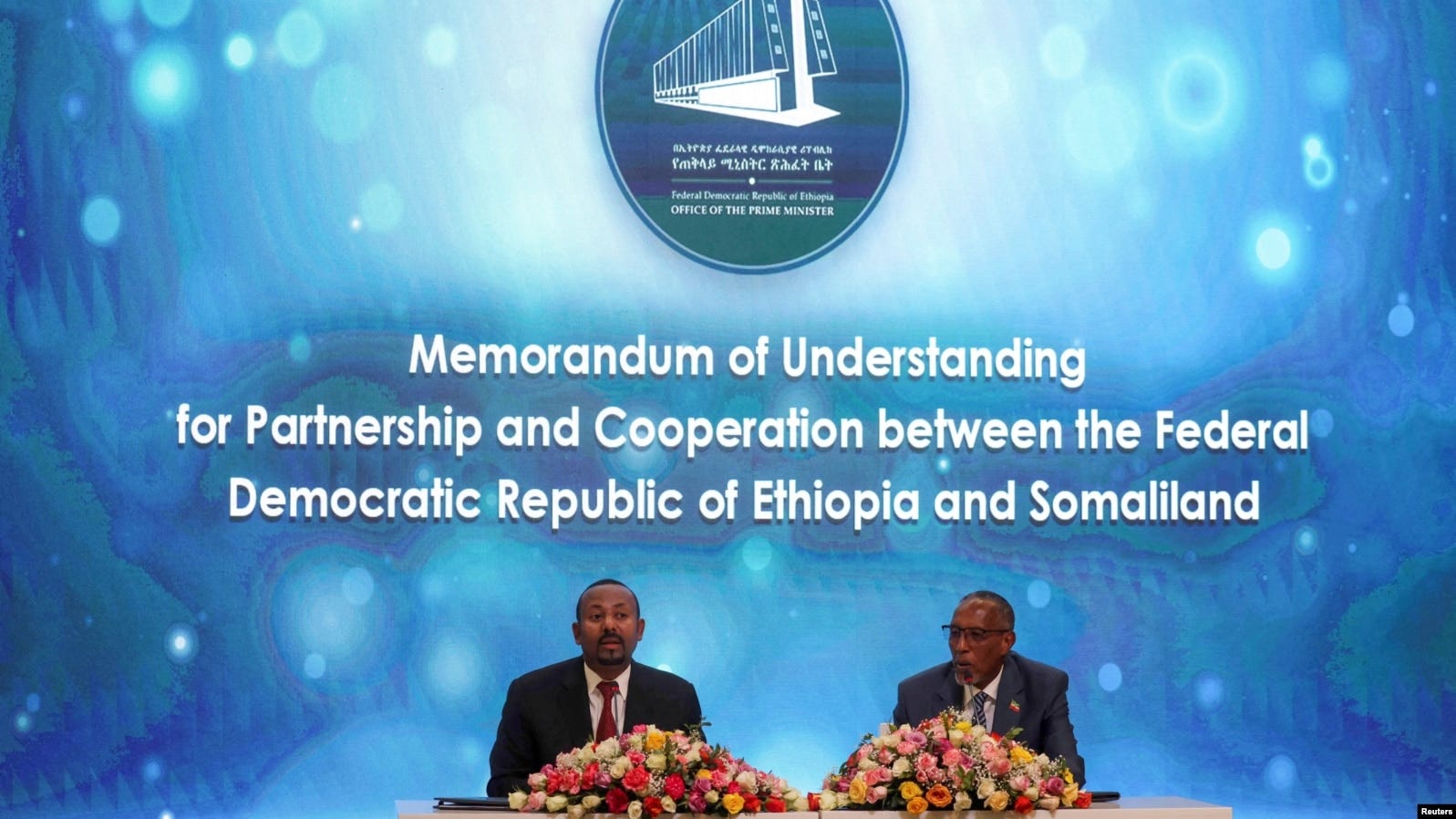
However, Ethiopia cannot simply be placed in a fixed Somaliland camp. Following the 2024 crisis, Turkey mediated between Ethiopia and Somalia. In the Ankara Declaration of December 11, 2024, the 2 sides reaffirmed respect for each other’s sovereignty and territorial integrity and agreed to seek a mechanism that could provide Ethiopia with maritime access under Somalia’s sovereignty.
Ethiopia should therefore be viewed as a country with major strategic interests in Somaliland rather than a country that openly supports Somaliland’s independence. But Addis Ababa’s need for maritime access ensures that it will remain a major variable.
United States: Somaliland’s Most Important Diplomatic Target
The United States does not currently belong in the Somaliland camp. Washington maintains relations with the Somali government and continues to participate in security structures related to Somalia. Hargeisa, however, has placed the United States at the center of its latest diplomatic campaign.
In September 2026, Somaliland President Abdirahman Mohamed Abdullahi traveled to Washington to lobby for recognition. In a September 16 interview with Semafor, he said Somaliland was willing to offer access to facilities and mineral resources while leaving open the possibility of broader military access in future negotiations.
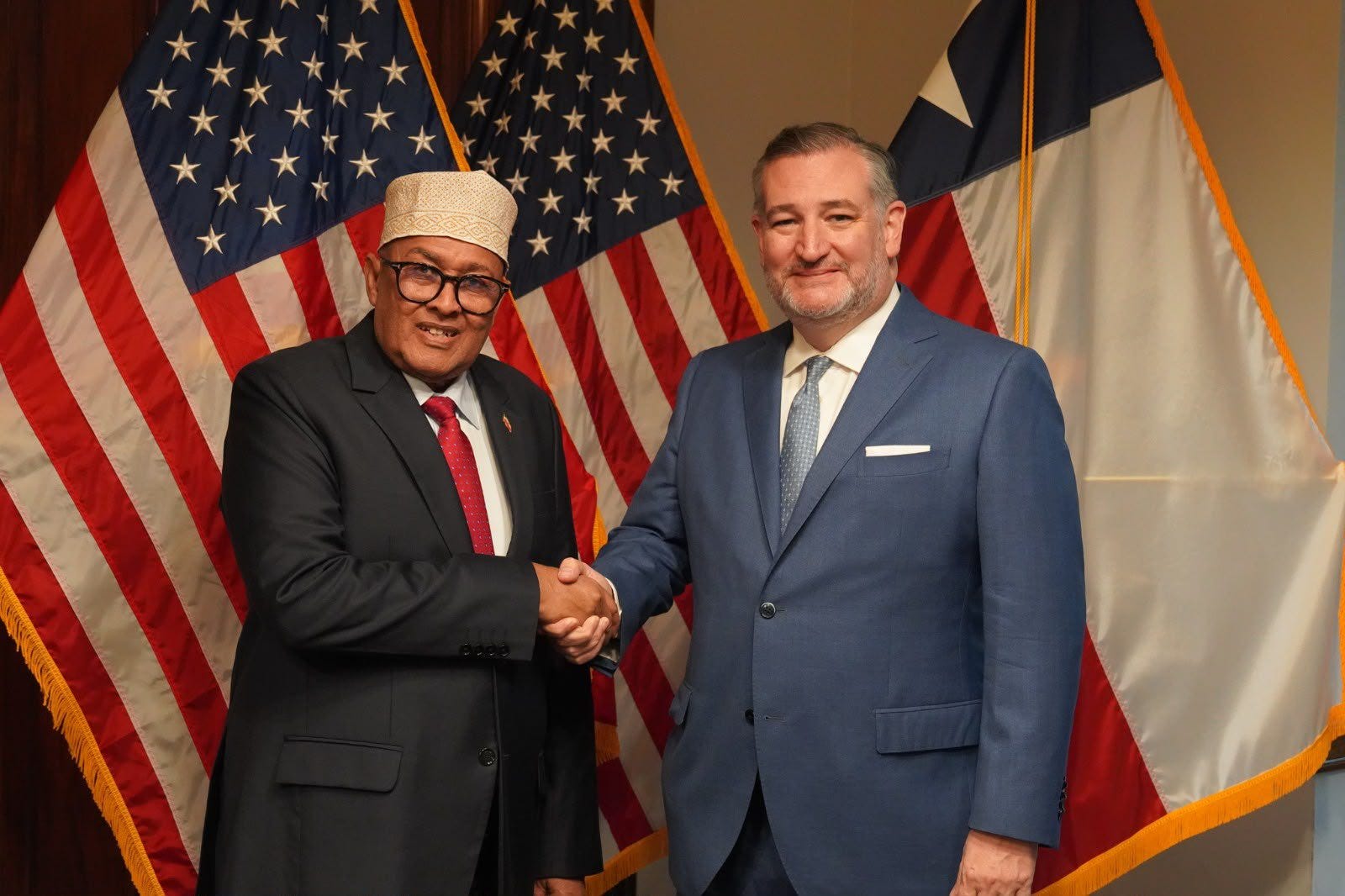
Somaliland already has security cooperation with the United States, including training, but there is no United States military base in Somaliland. Abdullahi made clear that greater military access could become part of future negotiations if Somaliland received greater security and political benefits in return.
This marks an important shift in Somaliland’s diplomatic strategy. Hargeisa is no longer speaking only about self determination or the history of 1960. Its message has become more transactional: Somaliland has Berbera, coastline, mineral resources, a position directly across from Yemen and the potential to become a security partner. In exchange, it wants recognition and international support.
5. Which Rivalries Are Converging on Somalia and Somaliland?
Viewed only through Somalia and Somaliland, the dispute is mainly about independence and territorial integrity. Once the outside powers are added, however, a more complicated network of rivalries becomes visible.
Egypt and Ethiopia have competed for years over the Nile. Ethiopia wants greater maritime access, including through Somaliland, while Egypt has moved closer to Somalia and supplied weapons to Mogadishu. The dispute between Hargeisa and Mogadishu has therefore become another place where the strategic interests of Cairo and Addis Ababa could collide.
Saudi Arabia and the United Arab Emirates are also competing for influence from Yemen into the Horn of Africa. Abu Dhabi has deep relationships with Somaliland and other local actors, while Reuters reported in February 2026 that Riyadh was increasing coordination with Egypt, Turkey and Qatar as competition with the United Arab Emirates spread into the region.
Israel, meanwhile, views the area partly through the security environment surrounding Yemen, the Houthis and the Red Sea. Turkey has long term interests in the Somali government and has opposed Israel’s recognition of Somaliland. Ankara also helped prevent the maritime dispute between Somalia and Ethiopia from escalating further.
These countries do not form 2 fixed alliances. Saudi Arabia still maintains relations with the United Arab Emirates. Turkey maintains relations with Ethiopia despite supporting Somalia’s territorial integrity. Ethiopia has reconciled with Mogadishu despite its earlier agreement with Somaliland. The Horn of Africa is therefore better understood as a network of overlapping interests rather than a simple 2 sided confrontation.
6. How Far Have Signs of Proxy Competition Developed?
There is not yet enough evidence to describe Somalia and Somaliland as a proxy war between outside powers. The countries aligned more closely with each side are not currently using Somalia and Somaliland to wage a direct conflict against one another in the classic sense of proxy warfare.
However, several conditions commonly associated with proxy competition are becoming increasingly visible. Somalia and Somaliland have an unresolved sovereignty dispute. Outside powers have competing interests. Their relationships are no longer limited to diplomacy and investment, but increasingly include military training, arms deliveries, military facilities, maritime cooperation and defense agreements.
On Somalia’s side, Turkey trains Somali forces, Egypt has supplied weapons, Qatar has signed a defense cooperation agreement and Saudi Arabia has expanded military cooperation. On Somaliland’s side, Israel is training security forces, the United Arab Emirates has deep economic and security ties, and Ethiopia retains major strategic interests related to maritime access.
More importantly, many of these outside powers have their own rivalries. Egypt looks toward Ethiopia. Saudi Arabia is watching the expansion of Emirati influence. Israel looks toward Yemen and the Houthis. Turkey wants to preserve its long term position in Somalia.
Reuters reported in February 2026 that Saudi and Emirati competition in the Horn of Africa was increasingly placing pressure on local actors and risked making existing conflicts more complicated.
The line to watch is the level of military support. If outside powers continue investing, training and signing defense agreements without using local actors against one another, this remains primarily a competition for influence. If weapons, intelligence, financing and local armed forces begin to be used directly to weaken the opposing side, Somalia and Somaliland will move much closer to a genuine proxy conflict.
7. How Is Somaliland Lobbying the United States?
Israel’s recognition created a diplomatic breakthrough, but Hargeisa understands that recognition from the United States would carry significantly greater weight. It could encourage other countries to reconsider their positions and substantially change Somaliland’s international standing.
That is why Somaliland’s campaign in Washington is increasingly framed around strategic interests rather than history alone. President Abdirahman Mohamed Abdullahi has openly offered facilities, mineral resources and the possibility of expanded security cooperation. Berbera is presented as a port close to Bab el Mandeb. Somaliland’s natural resources are being promoted as investment opportunities. Its position across from Yemen is presented as an advantage for security operations around the Gulf of Aden and the Red Sea.
In his September 16, 2026 interview with Semafor in Washington, Abdullahi described recognition as the main objective but made clear that Somaliland was prepared to negotiate. He said Somaliland could offer its facilities and minerals, while future military access would depend on what Somaliland received in return.
This is an increasingly transactional strategy. Somaliland is trying to demonstrate that recognizing it would not simply fulfill Hargeisa’s political ambitions. It could also give Washington access to a strategically located partner near one of the world’s most important maritime corridors.
Somalia is not standing still. Mogadishu has also tried to persuade Washington not to shift toward recognition of Somaliland, including through proposals involving access to ports. The competition between Somalia and Somaliland is therefore no longer confined to the Horn of Africa. Both sides are increasingly taking their case directly to major outside powers.
8. A Local Dispute Is Becoming a Regional Power Contest
Somalia wants to preserve its territorial integrity. Somaliland wants to turn more than 30 years of self government into international recognition. Behind those 2 objectives, however, an increasing number of countries are pursuing very different strategic calculations.
Turkey wants to preserve its military, economic and maritime influence in the Horn of Africa. Egypt views Somalia partly through its competition with Ethiopia. Ethiopia needs access to the sea. Saudi Arabia is concerned with Red Sea security and the regional balance of power. The United Arab Emirates has built a network of ports, investment and local relationships around the Gulf of Aden. Israel views Somaliland partly through the security environment surrounding Yemen, the Houthis and Red Sea shipping. The United States has not shifted into the Somaliland camp, but Hargeisa is trying to draw Washington closer through Berbera, mineral resources and potential security cooperation.
Somalia and Somaliland are therefore becoming a place where several rivalries that began elsewhere are converging. The Egypt Ethiopia dispute, Saudi and Emirati competition, Turkey’s strategic interests in the Horn of Africa and Israel’s security calculations around the Red Sea are all touching the same geographic space.
This is not yet a proxy war. But when ports, investment and diplomacy begin to appear alongside weapons, military training, maritime cooperation and defense agreements, the dispute between Somalia and Somaliland enters a different phase.
What began as an unresolved political split in 1991 is gradually becoming one of the most important emerging power contests in the Horn of Africa.
Sources
Reuters, reporting on Somaliland’s strategic importance, Israel’s recognition of Somaliland, Israeli military training of Somaliland forces, Egyptian arms deliveries to Somalia, Turkey’s relationship with Somalia, and Saudi and Emirati competition in the Horn of Africa.
Semafor, interviews and reporting on Somaliland’s campaign for United States recognition, Berbera, mineral resources and potential military access.
Human Rights Watch, reporting on the conflict in northern Somalia, the destruction of Hargeisa and abuses during the Siad Barre period.
African Union, official statements on Somalia’s sovereignty and territorial integrity.
Turkey’s Ministry of Foreign Affairs, Ankara Declaration between Somalia and Ethiopia, December 11, 2024.