


Lessons from Syria’s Path to Power
Before Bashar al-Assad’s regime collapsed, few believed the Syrian opposition could achieve a military victory.
Turkey was pursuing reconciliation with Damascus to address the refugee crisis. Several Arab states were also restoring ties with Assad in the hope of gradually pulling Syria away from Iran’s influence. Most analysts believed the conflict had reached a stalemate and that a large-scale offensive was unlikely to change the balance.
Against that backdrop, Syrian President Ahmad al-Sharaa revealed that HTS decided on its own to launch the offensive, despite widespread skepticism and concerns that failure would trigger massive Russian airstrikes and another wave of refugees. Turkey, HTS’s most important external backer, also did not support the operation.
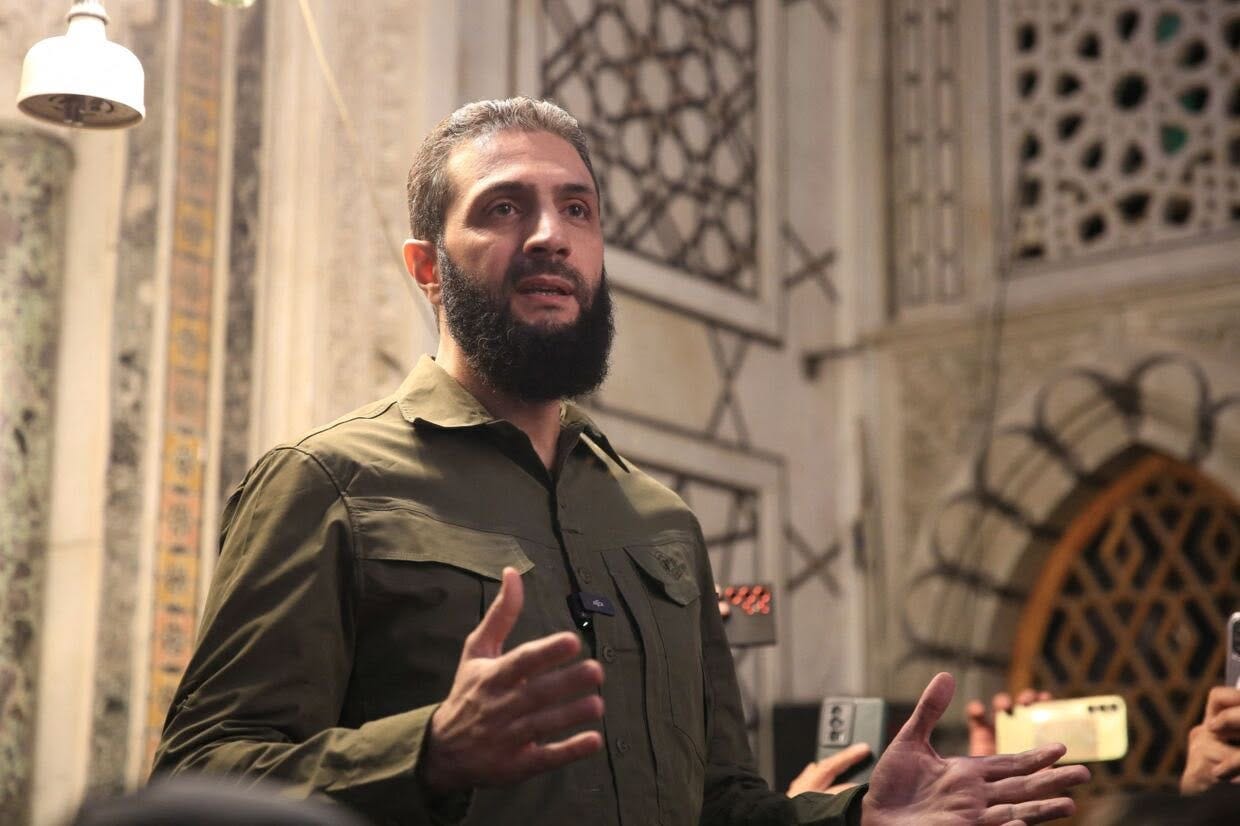
What followed reshaped the region. Assad’s regime collapsed far faster than most governments and analysts had anticipated.
The episode raises an important question about strategic assessment. Great powers may possess satellites, reconnaissance aircraft, and extensive intelligence networks. Yet critical factors such as troop morale, leadership quality, logistics, and institutional decay are often difficult to measure from afar.
By contrast, forces fighting on the front line may detect those signs much earlier through direct contact with the enemy.
Syria’s war offers a lasting lesson for intelligence and strategy: those with the most data do not necessarily understand the battlefield best. Sometimes, those closest to the fighting recognize history’s turning point before anyone else.
#Syria #Intelligence #Strategy #MiddleEast
Control Threat | Strategic Risk Analysis