


The man who once turned governments’ secrets into global news is back.
On September 17, 2026, WikiLeaks posted a photo of Julian Assange in Sydney with a simple message: “He’s back.” Assange then reposted it from his personal account with just two words: “I’m back.” For most X users, this might look like nothing more than a return after a long period of silence. But with Julian Assange, those two words carry far more weight. He is not someone who can simply return to the internet like an ordinary user. For nearly 20 years, his name has been associated with classified documents, intelligence, war, diplomacy, criminal investigations and one of the biggest debates over the boundary between state secrecy and freedom of information.
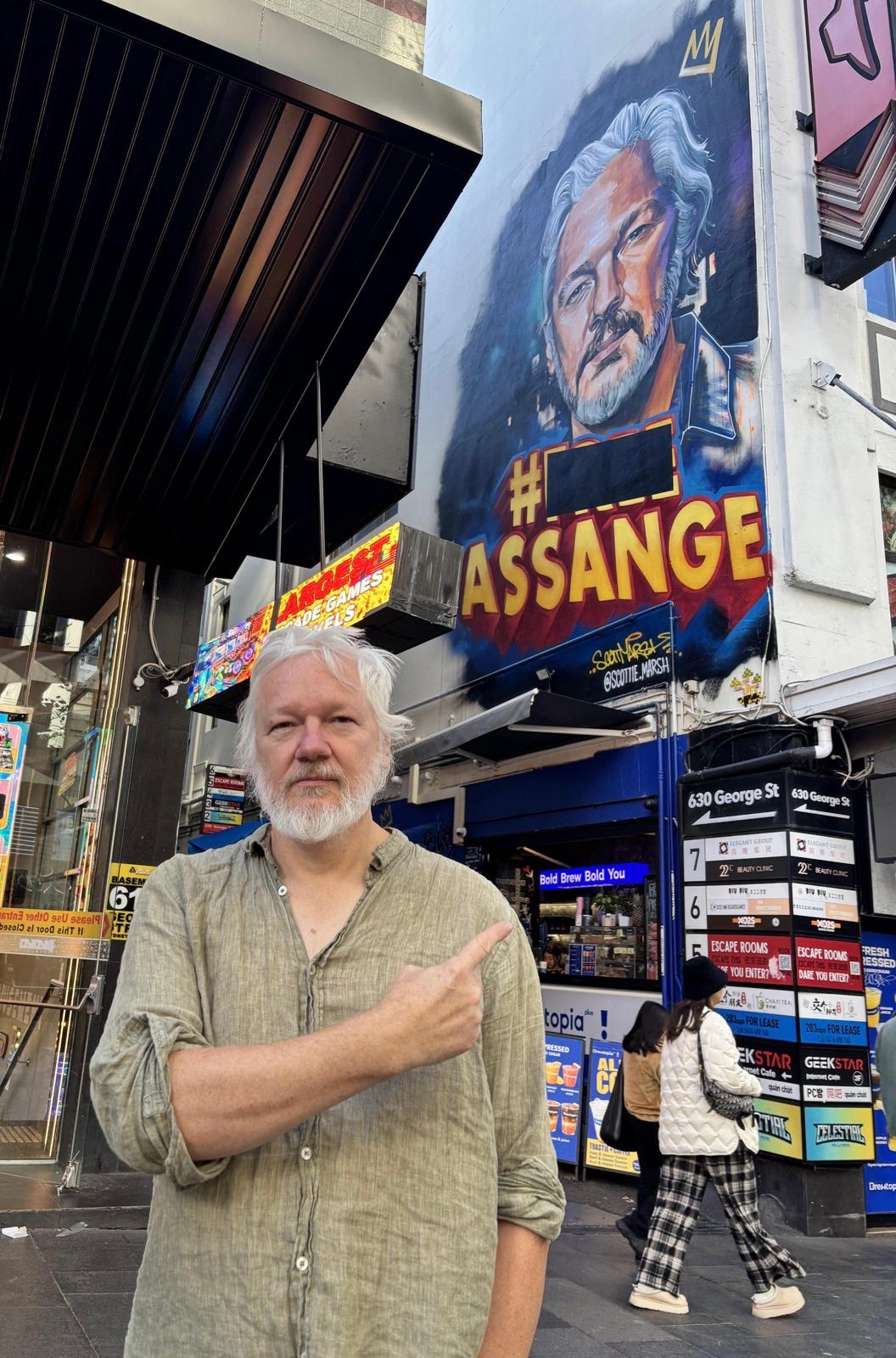
The question, then, is not simply why Assange has returned to X. It is what he intends to do with the influence that still surrounds the Julian Assange name. WikiLeaks is still operating, its brand remains globally recognized and millions of people still see Assange as a symbol of an individual who challenged some of the most powerful governments in the world. If he truly returns to public life, activists, media networks, whistleblowers, political movements and even governments with their own interests will all have reasons to pay attention.
Contents
From an Internet Project to a Global Issue
Seven Years in an Embassy and More Than Five Years in Prison
WikiLeaks Did Not Disappear With Assange
What Role Will Assange Return To?
Why So Many Actors Will Want Access to Him
The Lesson of the 2016 U.S. Election
Assange’s Greatest Source of Power Today
Where Will “I’m Back” Lead?
1. From an Internet Project to a Global Issue
Julian Assange founded WikiLeaks in 2006 around a simple idea with potentially enormous political consequences: Create a system through which people inside governments or powerful organizations could provide documents to WikiLeaks, then use the internet to bring those documents before the public. The turning point came in 2010, when WikiLeaks published a massive collection of U.S. military and diplomatic documents related to the wars in Afghanistan and Iraq, along with diplomatic cables.
From a relatively small internet project, WikiLeaks became one of the most controversial organizations in the world. Assange went from being a programmer and activist to a figure capable of creating political earthquakes simply by publishing documents. WikiLeaks’ power did not come from an army, territory or enormous financial resources. It came from its ability to turn information a government wanted to keep secret into an issue the entire world had to discuss.
That is also what made Assange such a polarizing figure. His supporters regard him as a symbol of freedom of information, press freedom and the ability to hold governments accountable. His critics argue that the way WikiLeaks handled and published classified material could endanger intelligence operations, national security and individuals named in leaked documents. That debate has never truly ended.
2. Seven Years in an Embassy and More Than Five Years in Prison
After 2010, Assange’s life became almost inseparable from legal battles. In 2012, he entered the Ecuadorian Embassy in London and was granted asylum by Ecuador. He lived inside the embassy for nearly seven years. In 2019, Ecuador withdrew his asylum and British police arrested him. Assange was then held at the high-security Belmarsh prison while fighting extradition to the United States.
The legal battle continued until June 2024, when Assange reached an agreement with the U.S. Department of Justice. He pleaded guilty to one charge related to conspiring to obtain and disclose classified national defense information, received credit for time already served and returned to Australia. Legally, that marked the end of a long chapter. Politically, however, the Assange story did not end with the case.
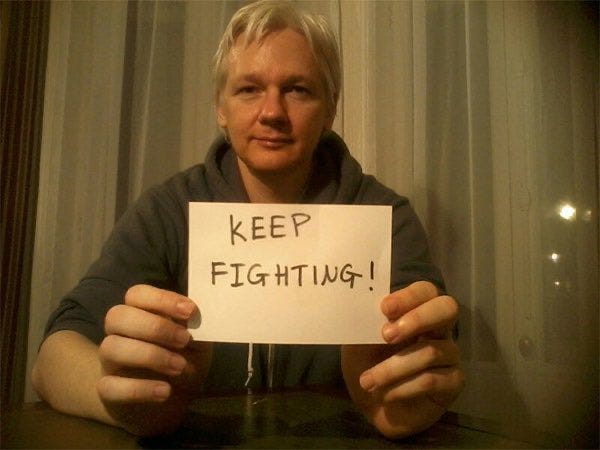
After returning to Australia, he largely withdrew from public life. Assange appeared at several events but did not return to his previous role or become a regular voice on social media. That period of silence is what made his “I’m back” message on September 17, 2026, particularly significant. Assange is signaling that a period of silence may be coming to an end.
3. WikiLeaks Did Not Disappear With Assange
During Assange’s imprisonment and after his release, WikiLeaks never completely disappeared. Its vast archive of documents remained online, the WikiLeaks brand survived and its system for receiving anonymous submissions continued to operate. Icelandic journalist Kristinn Hrafnsson remained one of the organization’s most prominent public figures while Assange was unable to operate as he once had.
WikiLeaks in recent years, however, has no longer occupied the same position in the global news cycle that it did between 2010 and 2016. The infrastructure remains. The brand remains. But the person who generated much of its public attention has been absent. If Assange genuinely returns to active involvement, those two elements could come together once again.
There is currently no evidence that WikiLeaks is preparing a major new release of documents. Nor has there been any announcement that Assange will return to directly running the organization. But the return of its founder inevitably increases WikiLeaks’ importance to anyone holding information they want brought before the public. A globally recognized platform becomes considerably more significant when its most famous figure returns to the center of the conversation.
4. What Role Will Assange Return To?
The first and most obvious possibility is that Assange returns to the world of WikiLeaks: Anonymous sources, classified documents and information that governments or powerful organizations do not want made public. If that happens, he could quickly return to the center of debates over state secrecy, intelligence and press freedom.
But Assange in 2026 is no longer the same Assange of 2010. After years inside an embassy, years in prison and a prolonged legal battle, his own life has become a political story. That creates another possible role: Public advocacy around press freedom, whistleblower protection, government surveillance, espionage laws, privacy and the right to publish classified information.
An even more interesting possibility is that Assange becomes an independent political figure in the broader sense. He would not need to run for office or join a political party to wield political influence. Simply by using social media, appearing at events, giving interviews and entering major public debates, Assange could affect how millions of people view governments, the media and power itself. These roles are not mutually exclusive. He could simultaneously advocate for freedom of information, participate in political debates and maintain ties to WikiLeaks.
5. Why So Many Actors Will Want Access to Him
If Assange truly returns to the arena, he will not be operating in a vacuum. A person with that kind of name recognition and influence naturally becomes attractive to people who possess information, a message or a political objective they want amplified. A whistleblower may want to give documents to WikiLeaks. A press freedom organization may want Assange to appear at its events. An anti-establishment political movement may want to use Assange as the symbol of an individual who once confronted the state.
Governments could see similar opportunities. An authentic document damaging to an adversary retains its value regardless of the motives of the person who provides it. A government, intelligence service or faction inside a state does not necessarily need to control WikiLeaks in order to benefit from it. It only needs to possess the right information and find a sufficiently credible channel through which to release it to the world.
This is the most difficult part of the WikiLeaks model. A platform receiving leaked material can be used by a whistleblower acting from moral conviction, but it can also be used by a corporation, political faction or intelligence service seeking to damage an opponent. The documents themselves can be completely authentic in both cases. The difference lies in the objective of the person supplying them.
The question to watch is who approaches Assange, what kind of information they bring with them and what they hope to achieve by attaching that information to his name.
6. The Lesson of the 2016 U.S. Election
The 2016 U.S. presidential election provides the clearest example of this problem. U.S. authorities concluded that Russian military intelligence officers stole documents from Democratic Party organizations as part of an operation to interfere in the election. WikiLeaks subsequently published stolen material while the campaign was underway.
U.S. investigations later closely examined WikiLeaks’ role and the connections surrounding the distribution of those documents. The point is not to reduce Assange or WikiLeaks to simple instruments of Russia. The public evidence does not justify reducing the story to that conclusion. A government can attempt to use a publishing platform without necessarily owning or controlling it.
If an intelligence service obtains authentic documents, passes them to an organization capable of generating news and allows that organization to publish them, the documents themselves can do the rest. The public debates their contents, the media develops the story and political opponents are forced to respond. The original source of the material can almost disappear from the process.
That is why any serious return by Assange will be watched by far more than journalists and his supporters. Intelligence services, governments and organizations involved in information warfare will also have reasons to pay attention.
7. Assange’s Greatest Source of Power Today
Assange in 2026 possesses something that Assange in 2006 did not: A personal story known around the world. He published American secrets, lived for nearly seven years inside an embassy, spent more than five years in a high-security prison, faced the possibility of extradition to the United States and eventually returned to Australia after reaching a plea agreement.
To his supporters, those experiences transformed Assange into a symbol of the price of challenging power. To his critics, they do not erase the controversies surrounding WikiLeaks’ methods, its choices over what documents to publish and the political consequences of those releases. That polarization itself increases his influence.
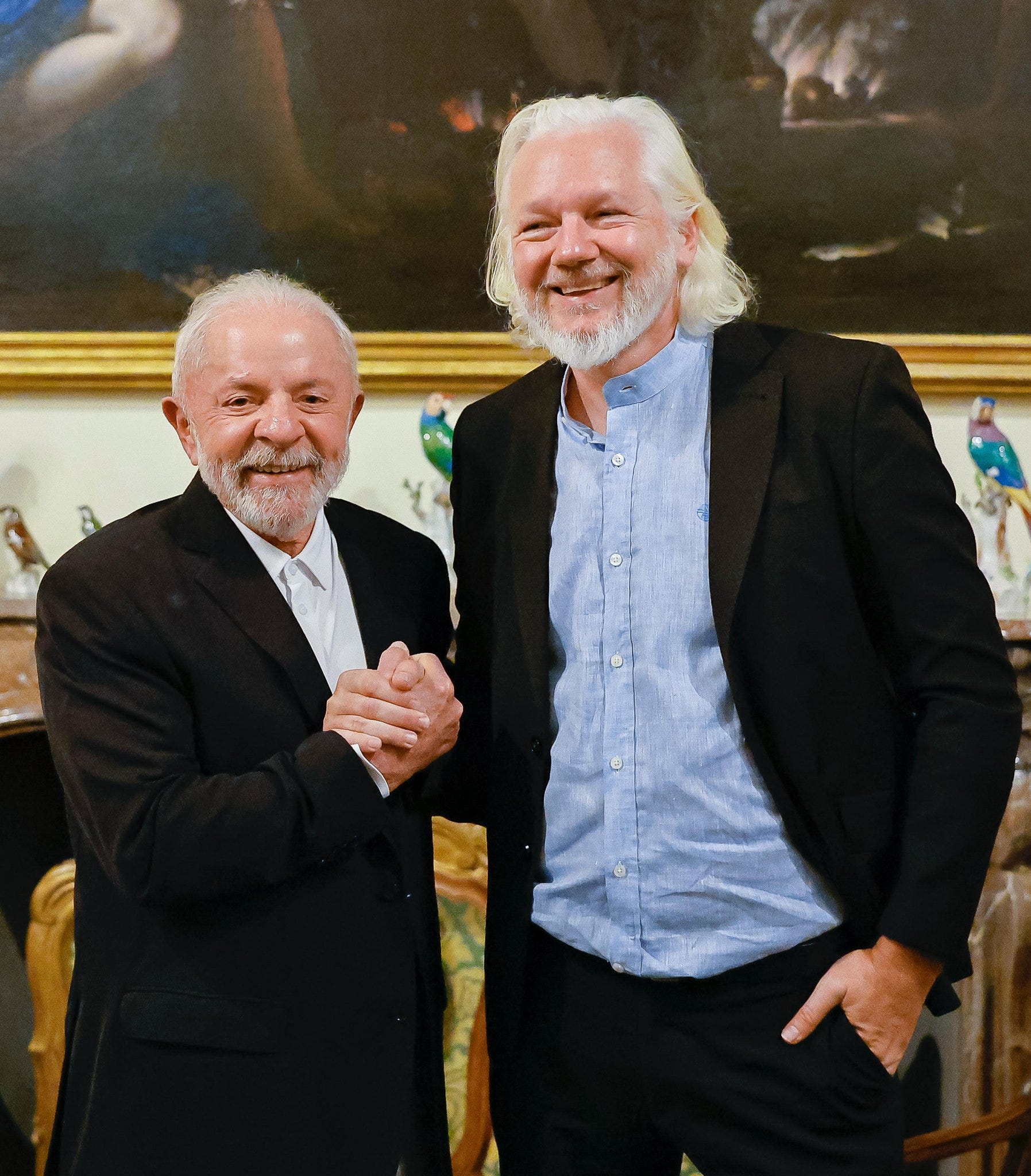
This makes the Assange name a valuable asset to groups with very different objectives. A press freedom organization may want him to speak about freedom of information. An anti-government movement may want him to speak about state surveillance. A government hostile to the West may want to use his statements to reinforce its own narrative. A Western politician may want to stand alongside Assange to demonstrate opposition to the traditional establishment.
None of them needs to control Assange. They only need to find the part of his story that serves their own objectives.
8. Where Will “I’m Back” Lead?
After nearly two decades surrounded by state secrets, prosecution and imprisonment, “I’m back” may be nothing more than a social media post. But it may also mean that Julian Assange’s obsession with the secrets that powerful institutions want to keep hidden never really disappeared.
Assange’s return therefore needs to be viewed as something larger than the question of whether he will continue leaking classified documents. A publicly active Julian Assange could become a focal point for many different interests. Whistleblowers wanting to expose documents, organizations seeking to amplify a message, media outlets looking for a story, political movements searching for a symbol and governments seeking an advantage in information warfare could all see value in him.
If Assange enters public political life, he could become an outsider with influence comparable to Elon Musk. But while Musk’s power comes from money, Assange’s weight comes from the secrets he has exposed and the image of a man willing to confront some of the most powerful states in the world.