


President Paul Biya, 93, has ruled Cameroon for 44 years and frequently stays in Switzerland. Meanwhile, the country continues to face separatist conflict, terrorism, and political divisions.
The U.S. has begun preparing for the post-Biya era. But can Washington protect its interests in Central Africa if the transfer of power descends into chaos?
Table of Contents
1. Cameroon Still Has No Clear Successor
Paul Biya came to power in 1982 and is now serving his eighth presidential term, which is scheduled to end in 2032, when he will be 99. On August 20, 2026, he returned to Cameroon after spending 73 days in Switzerland. The government maintains that he continued governing the country during his absence.
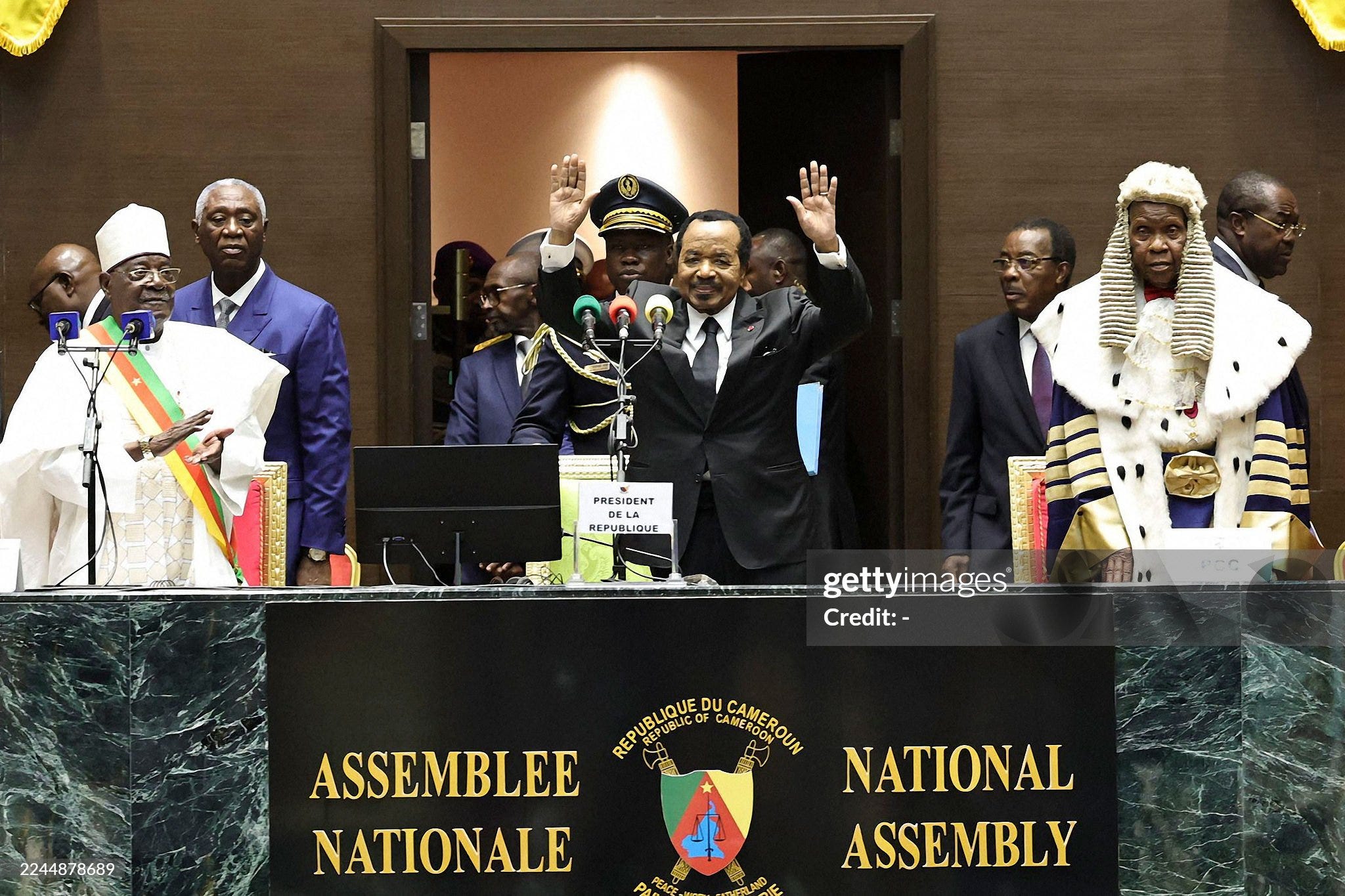
In April 2026, Cameroon amended its constitution to restore the position of vice president, allowing the appointed official to assume power if the president dies, resigns, or becomes permanently unable to perform his duties. However, as of October 17, Biya had still not appointed anyone to the position.
The deeper problem is the prolonged concentration of power in one individual. Over more than four decades, Biya has built a network of loyal officials and security forces. When he leaves power, disagreements among competing leadership groups could complicate the succession process.
2. The Risk of Chaos After Paul Biya
Cameroon was already facing serious instability before the succession issue became increasingly urgent. In the two English-speaking regions in the west, Ambazonia separatists have been fighting government forces since 2017. Meanwhile, northern Cameroon continues to face attacks by Boko Haram and ISWAP, an affiliate of the Islamic State (ISIS) in West Africa.
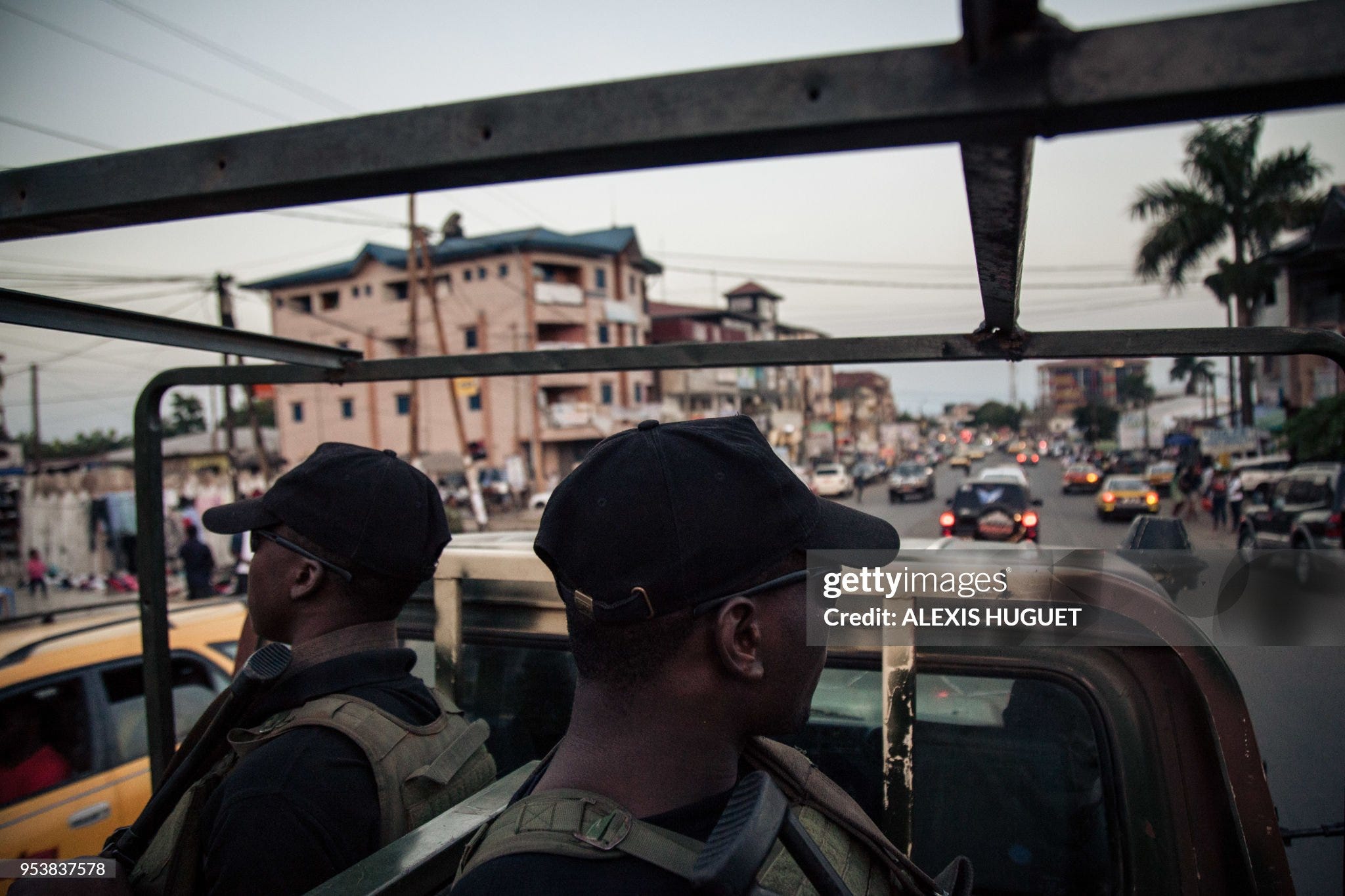
The October 2025 presidential election deepened political divisions when the opposition rejected Biya’s declared victory. Subsequent protests led to clashes and casualties. According to the Carnegie Endowment, the security system Biya has built could face internal divisions if competing power centers struggle over succession. Separatist and terrorist groups could then exploit a weakened central government to expand their operations. Cameroon will not necessarily descend into chaos after Biya. But if political disputes spread into the military, a succession crisis could escalate into a broader security crisis.
3. What Interests Do the U.S. and Other Powers Have in Cameroon?
Cameroon lies along the Gulf of Guinea, has important ports such as Douala and Kribi, and serves as a trade gateway for Chad and the Central African Republic. Several major powers therefore have economic and security interests in the country.
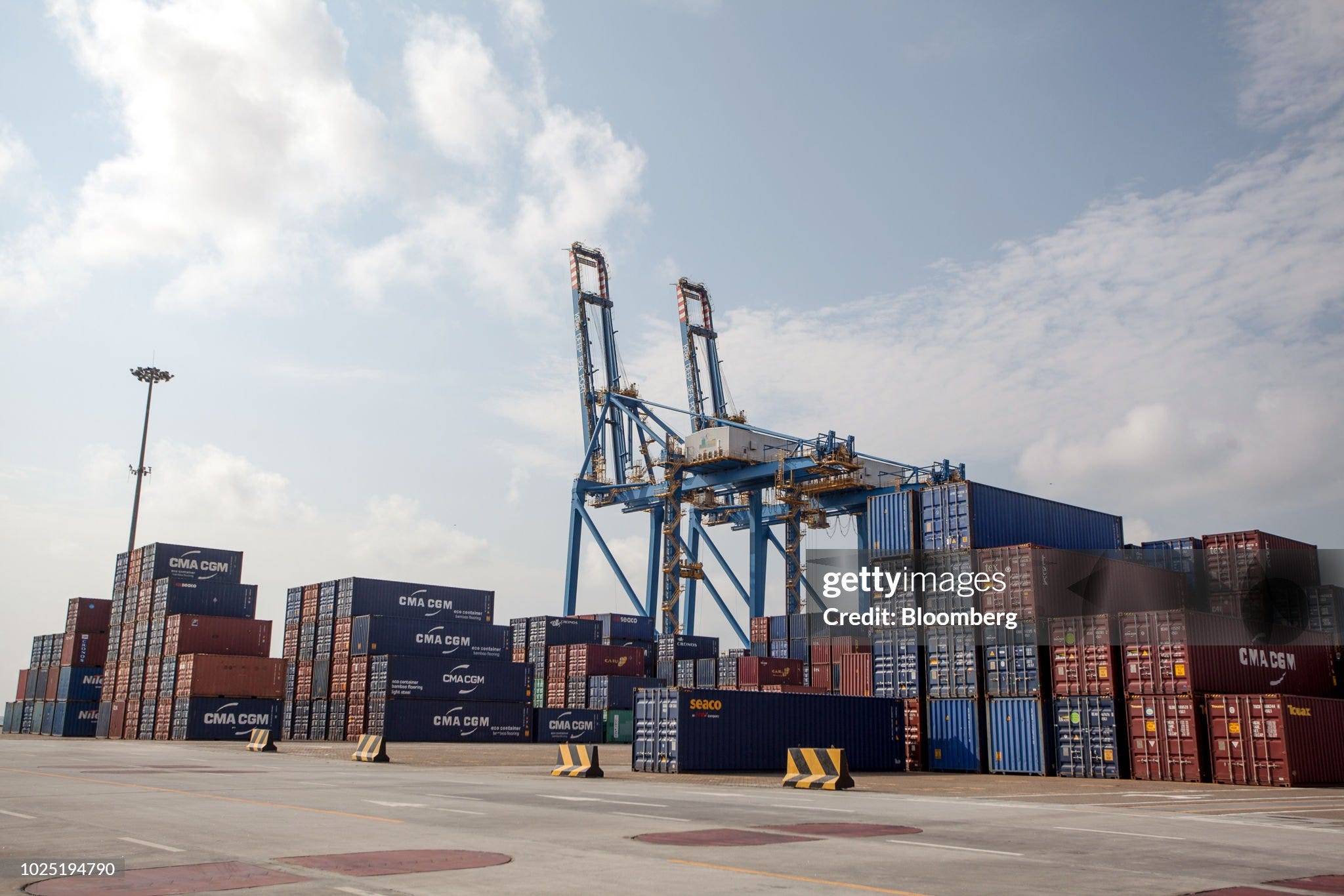
China is a major trading partner, accounting for approximately 20.7% of Cameroon’s imports in 2025. Beijing has also helped finance and construct the Kribi deep-water port. By March 2026, China held approximately 64.9% of Cameroon’s bilateral external debt.
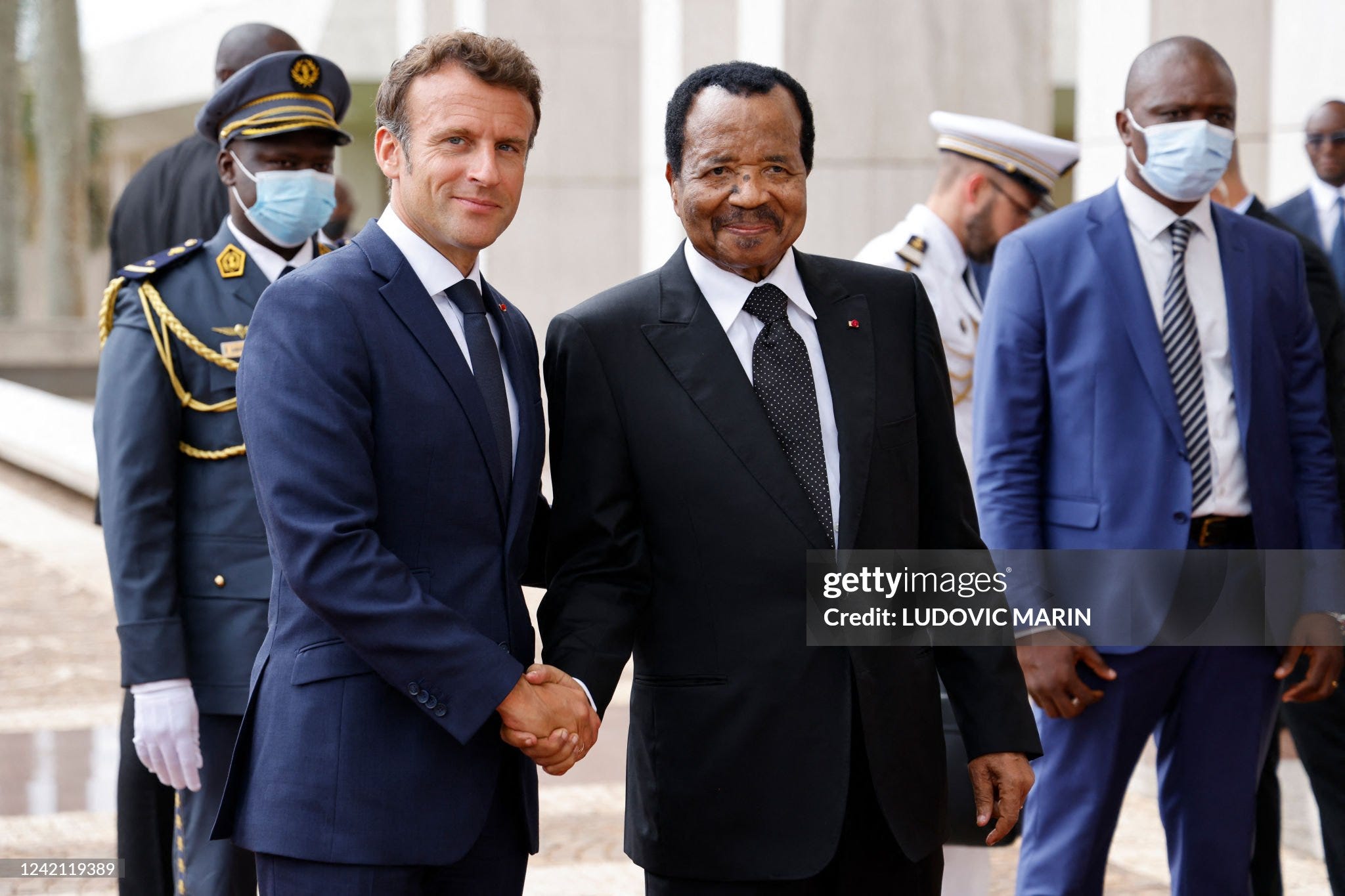
France maintains longstanding economic influence, with approximately 1.62 billion euros in foreign direct investment stock in 2024. Russia and Israel also maintain military cooperation ties with Biya’s government.
For the U.S., Cameroon offers three main strategic benefits: Supporting counterterrorism efforts around Lake Chad, ensuring maritime security in the Gulf of Guinea, and maintaining strategic influence in Central Africa.
However, Washington’s direct interests are relatively limited in scale. Total U.S.-Cameroon trade in goods and services reached only approximately 704.6 million U.S. dollars in 2025. The U.S. deployed around 300 military personnel for intelligence and counterterrorism surveillance missions beginning in 2015 but ended that deployment in early 2020. Military cooperation is now maintained primarily through training and exercises, including Obangame Express in April 2026.
This distinction matters. China and France have substantial economic interests to protect, while the U.S. maintains security cooperation with a relatively small military presence. If Cameroon enters a crisis, Washington must weigh the value of its interests at risk against the costs of deeper involvement.
4. What Can Washington Do Before Power Changes Hands?
On October 6, 2026, Africa Intelligence reported that U.S. diplomats were developing multiple post-Biya scenarios and consulting international partners. The Trump administration wants to protect American economic and security interests as Cameroon approaches a political transition.
But preparing to respond to a crisis is only part of the equation. Washington could also proactively build relationships with individuals who may join the next government, rather than waiting until a successor emerges before establishing contact.
According to the Carnegie Endowment, notable figures in the succession debate include Franck Biya, the president’s son, and Ferdinand Ngoh Ngoh, Secretary-General of the Presidency. However, no one has been officially designated as Biya’s successor.
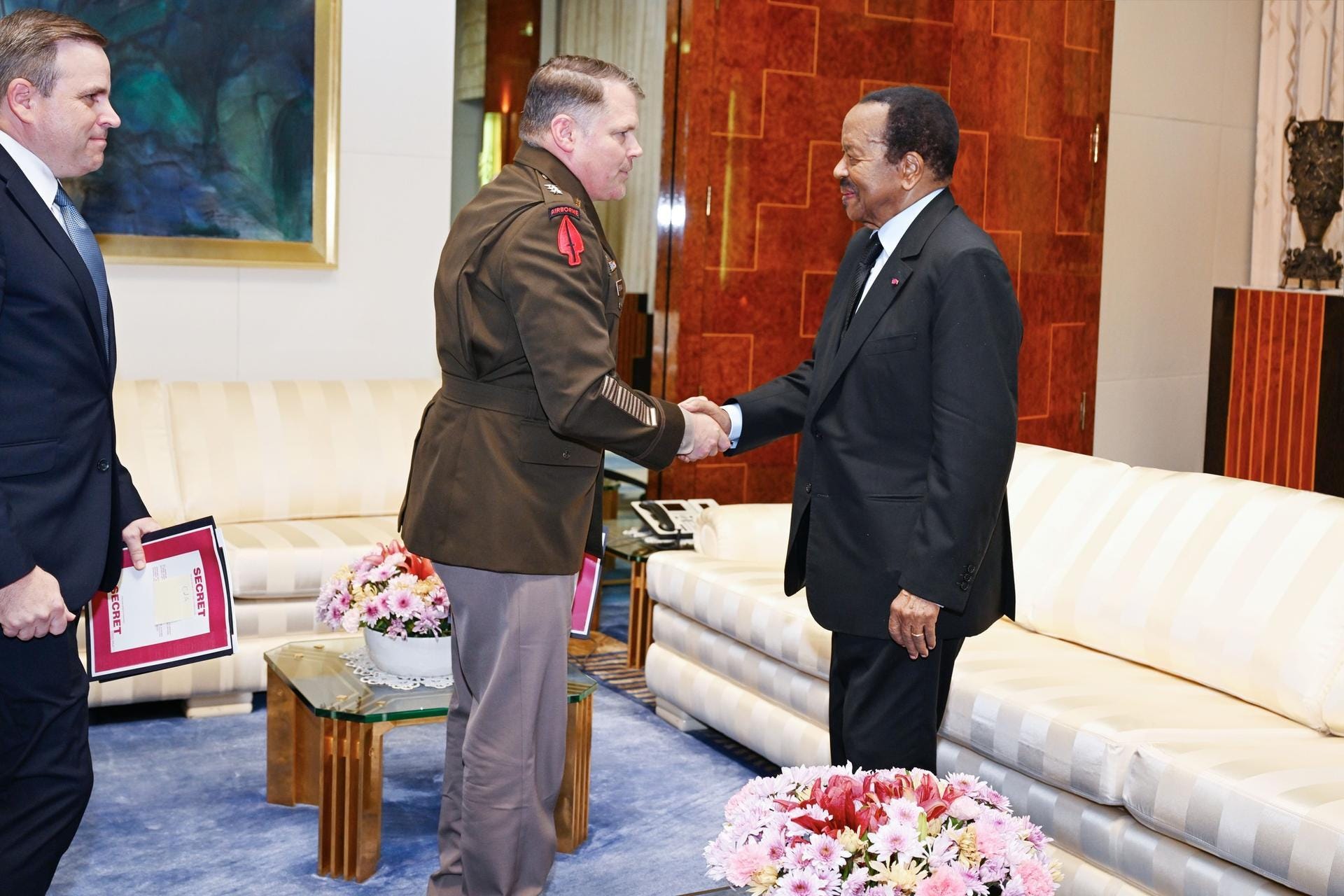
The U.S. could maintain dialogue with multiple leadership groups, opposition figures, and regional partners to better understand the balance of power while establishing channels of cooperation that could remain active after Biya leaves office.
This approach could also give Washington a voice in the transition through diplomacy and established relationships. However, building ties early is different from directly selecting or backing a successor. Intervening too deeply in domestic political disputes could provoke opposition to the U.S. and make the situation more complicated.
There is currently no public evidence confirming that Washington is backing a specific candidate. Available reporting indicates that the U.S. has been studying succession scenarios and preparing to protect its interests.
5. Conclusion
After Paul Biya’s 44 years in power, Cameroon faces the risk of a contested succession while several internal conflicts remain unresolved. A prolonged crisis could threaten the interests of the U.S., China, France, and other partners.
For Washington, its interests in Cameroon are valuable but do not appear substantial enough to justify large-scale military involvement. Preparing early, building relationships with multiple political groups, and preserving the ability to cooperate with a future government could help the U.S. protect its interests without taking on significant additional security costs.
The U.S. does not necessarily need Paul Biya to remain in power. What Washington needs is a Cameroon stable enough to maintain strategic cooperation. The question is whether the U.S. can prepare for that transition in advance or will instead have to deal with the consequences of a political crisis after it has already erupted.