


Over the past two decades, the United States has spent trillions of dollars on wars in Iraq, Afghanistan, and military operations across the Middle East. During the same period, China expanded trade, built infrastructure, invested in mining, and became a major economic partner for many African countries. By 2025, China’s merchandise trade with Africa was more than four times that of the United States. Did Washington choose the wrong place to invest its power?
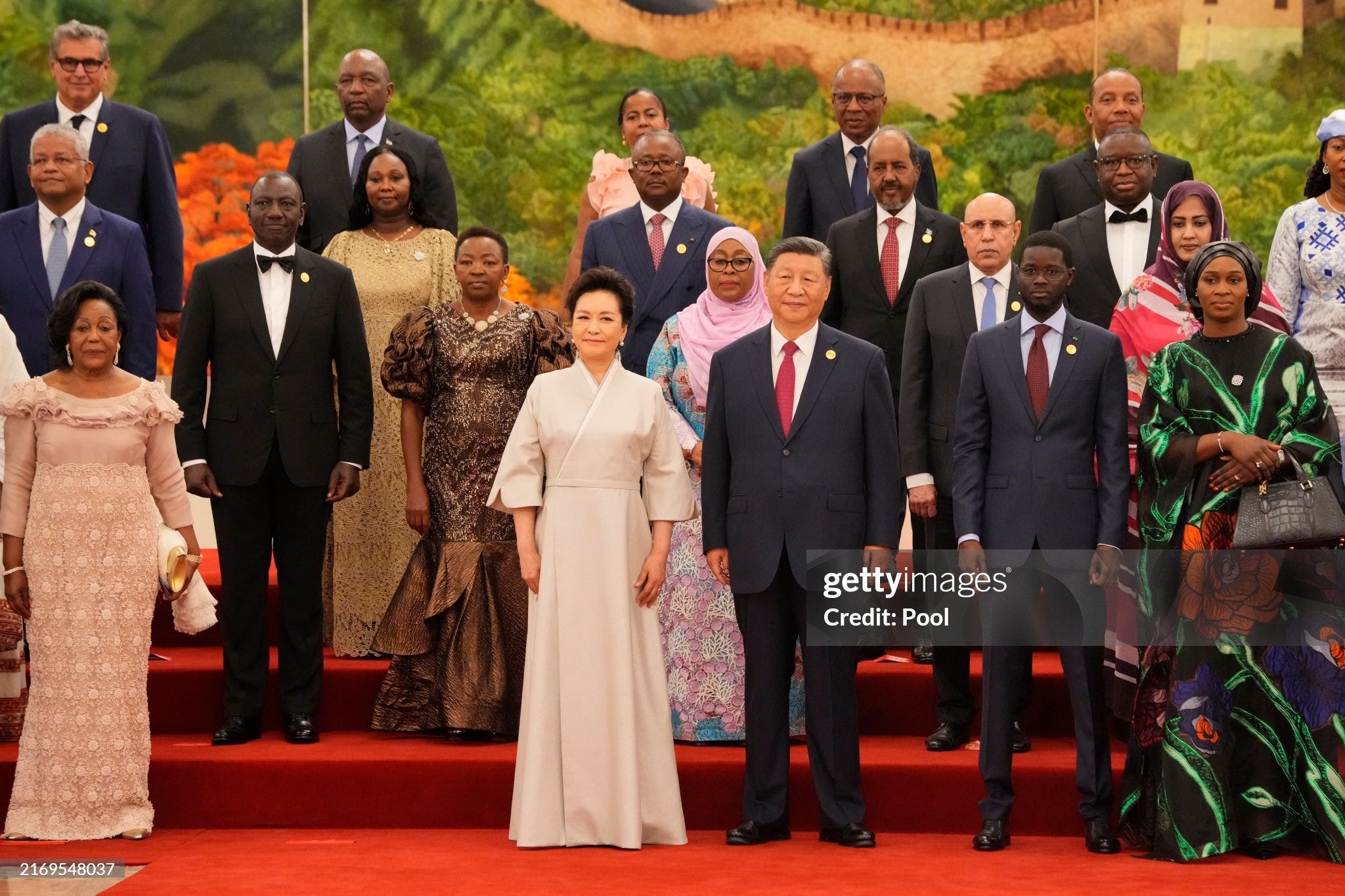
Table of Contents
Why Has the United States Prioritized the Middle East, Europe, and Asia Over Africa?
What Has the United States Gained From Its Wars and Strategic Commitments in the Middle East?
China Arrived Later: Was Africa a Strategic Opportunity or a Necessity?
How Far Has China Actually Surpassed the United States in Africa?
Africa: A Strategic Treasure Trove or a Challenge Too Difficult for Great Powers?
The United States and China: Two Different Models of Power, the Same Limitations?
What If the United States Had Invested Resources From Its Middle Eastern Wars in Africa?
Did the United States Miss Africa’s Opportunities, or Is China Now Facing a Difficult Challenge?
1. Why Has the United States Prioritized the Middle East, Europe, and Asia Over Africa?
After World War II, the United States focused on Europe to prevent the Soviet Union from expanding its influence, establishing NATO in 1949 and maintaining a substantial military presence across the continent. In East Asia, Washington built alliances with Japan, South Korea, and the Philippines, initially to contain communist adversaries and today primarily to counter China’s rise. These are regions where a loss of American strategic superiority could allow rival powers to directly challenge Washington’s position as a global superpower.
The Middle East holds strategic importance because of its vast oil and gas reserves and critical shipping routes, including the Strait of Hormuz and the Suez Canal. The United States must also protect Israel and its Gulf allies while preventing Iran from expanding its influence. Even as American dependence on imported oil has declined, a crisis in the Middle East can still drive up global energy prices, affecting the economies of the United States and its allies.
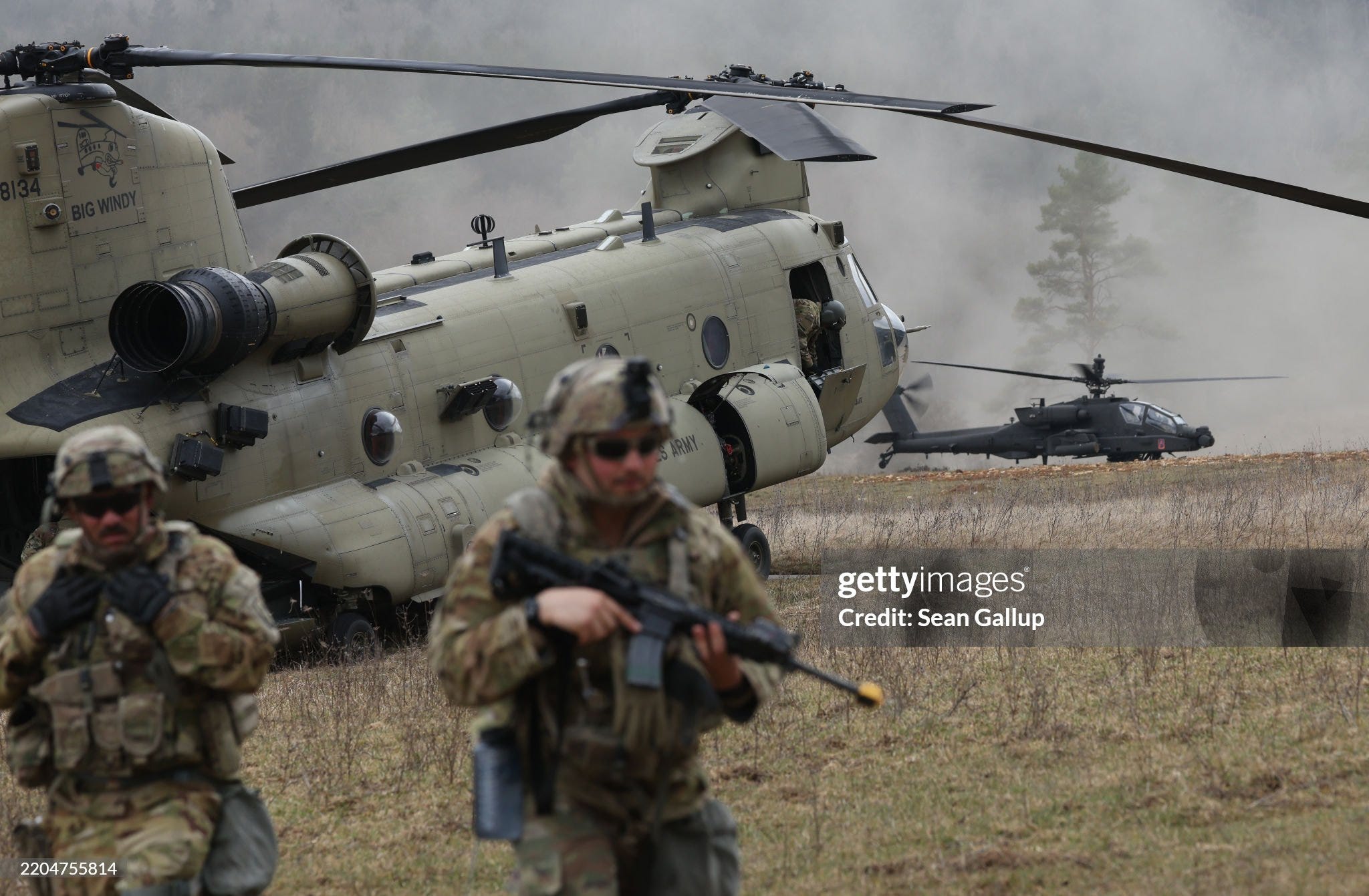
Africa, meanwhile, possesses enormous natural resources but has no military power that poses a direct threat to the United States comparable to the former Soviet Union or present-day China. Washington has therefore relied primarily on security cooperation, counterterrorism operations, investment, and a limited number of strategic military bases rather than establishing an extensive military network across the continent.
The United States has legitimate reasons to prioritize other regions over Africa. However, as China expands its access to minerals, infrastructure, and political influence across the continent, Washington faces strategic risks that previously received insufficient attention.
2. What Has the United States Gained From Its Wars and Strategic Commitments in the Middle East?
The United States has spent trillions of dollars on wars since September 11, 2001. According to Brown University, the wars in Iraq and Syria alone cost approximately $1.79 trillion between 2003 and 2023, excluding an estimated $1.1 trillion in veterans’ care obligations projected through 2050. But what has Washington gained from this enormous expenditure?
In 2003, the United States overthrew Saddam Hussein, removing a regime that had invaded Kuwait and confronted Washington. However, Saddam had also been a longtime adversary of Iran. His removal gave Tehran an opportunity to expand its influence in Iraq, while the United States had to confront insurgencies and return to combat operations against ISIS in 2014. Washington eliminated one adversary but simultaneously removed a force that had helped contain Iran.
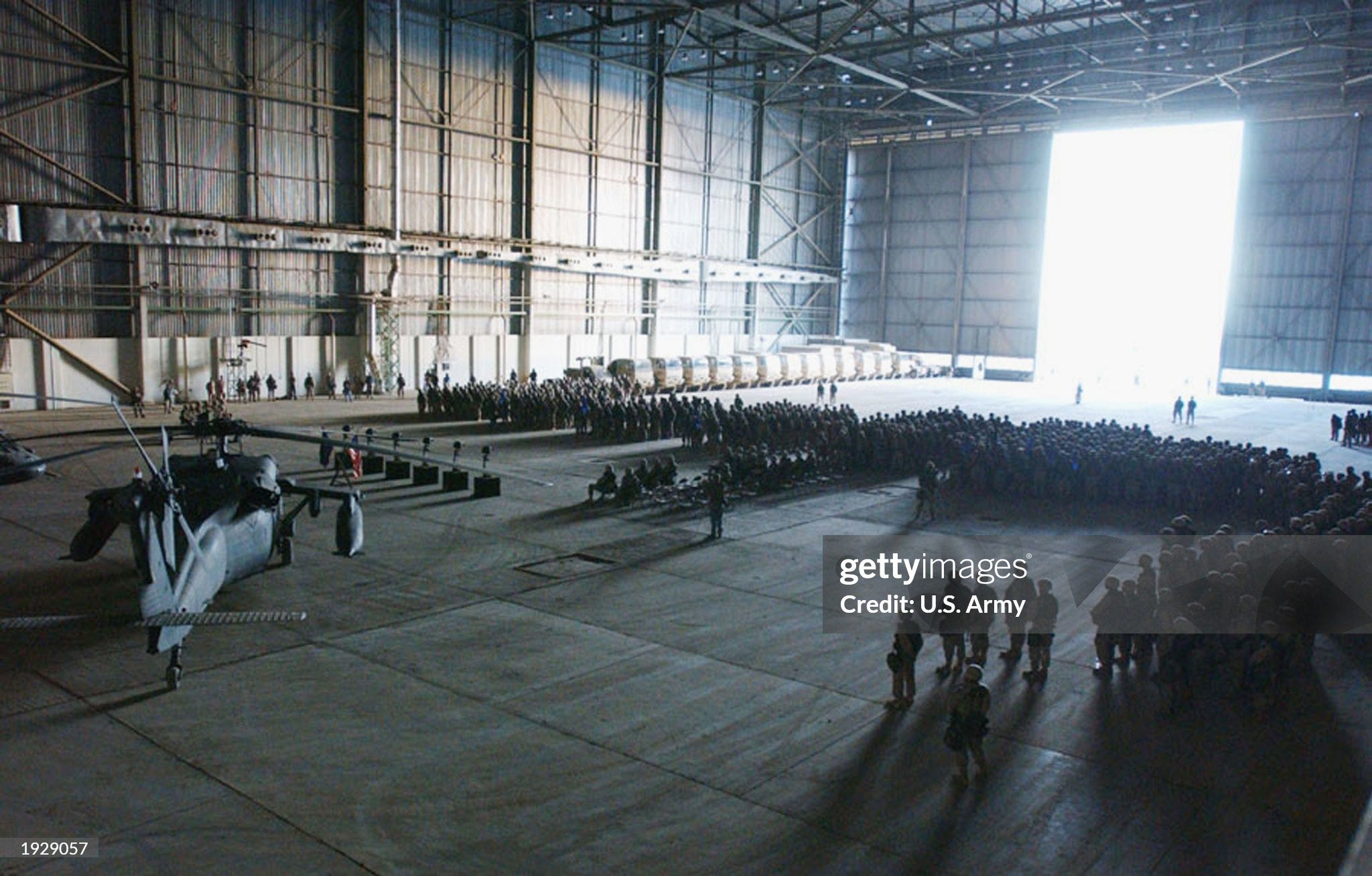
In Afghanistan, the United States overthrew the Taliban in 2001 and spent two decades supporting the establishment of a new government. Yet the Taliban returned to power immediately after the American withdrawal in 2021. In Libya in 2011, the United States joined NATO in an intervention that contributed to Gaddafi’s overthrow, at a direct U.S. military cost of approximately $1.1 billion. The country subsequently descended into political fragmentation and prolonged conflict. These cases demonstrate that defeating a government is far easier than building a stable state to replace it.
Nevertheless, the United States has secured important strategic benefits in the Middle East: Maintaining a network of military bases, protecting Israel and its Gulf allies, preserving access to critical energy shipping routes, and preventing rival powers from dominating the region. The issue is whether Washington needed prolonged wars and costly nation-building efforts to preserve those interests. Had it avoided some of these expenditures, the United States could have devoted substantially more resources to expanding its economic influence in Africa.
3. China Arrived Later: Was Africa a Strategic Opportunity or a Necessity?
By the time China emerged as a major economic power, the United States had already established extensive networks of alliances and military bases across Europe, East Asia, and the Middle East. Beijing faced significant obstacles to competing directly with Washington militarily in these regions. Africa, meanwhile, offered vast natural resources, substantial unmet investment needs, and a level of American strategic attention that did not match its economic potential.
In 2000, Beijing established the Forum on China-Africa Cooperation, promoting trade, financing, and infrastructure investment. While the United States concentrated on wars following September 11, China expanded its presence in markets that many Western companies considered unattractive because of political risks and high investment costs. Chinese state-owned banks and enterprises enabled Beijing to undertake projects that private investors were often unwilling to finance.
China also gradually expanded its influence over African governments. In Djibouti, Beijing became the country’s largest creditor, financed port and railway projects, and established a military base. In Zambia, China’s position as a major creditor gave it an important role in debt restructuring after the country defaulted in 2020. Beijing also financed a leadership training school in Tanzania for six ruling parties from southern Africa, establishing direct relationships with political leaders. These financial, infrastructure, and political connections strengthened China’s negotiating position with African governments, although they did not mean those countries had to comply with every demand from Beijing.
4. How Far Has China Actually Surpassed the United States in Africa?
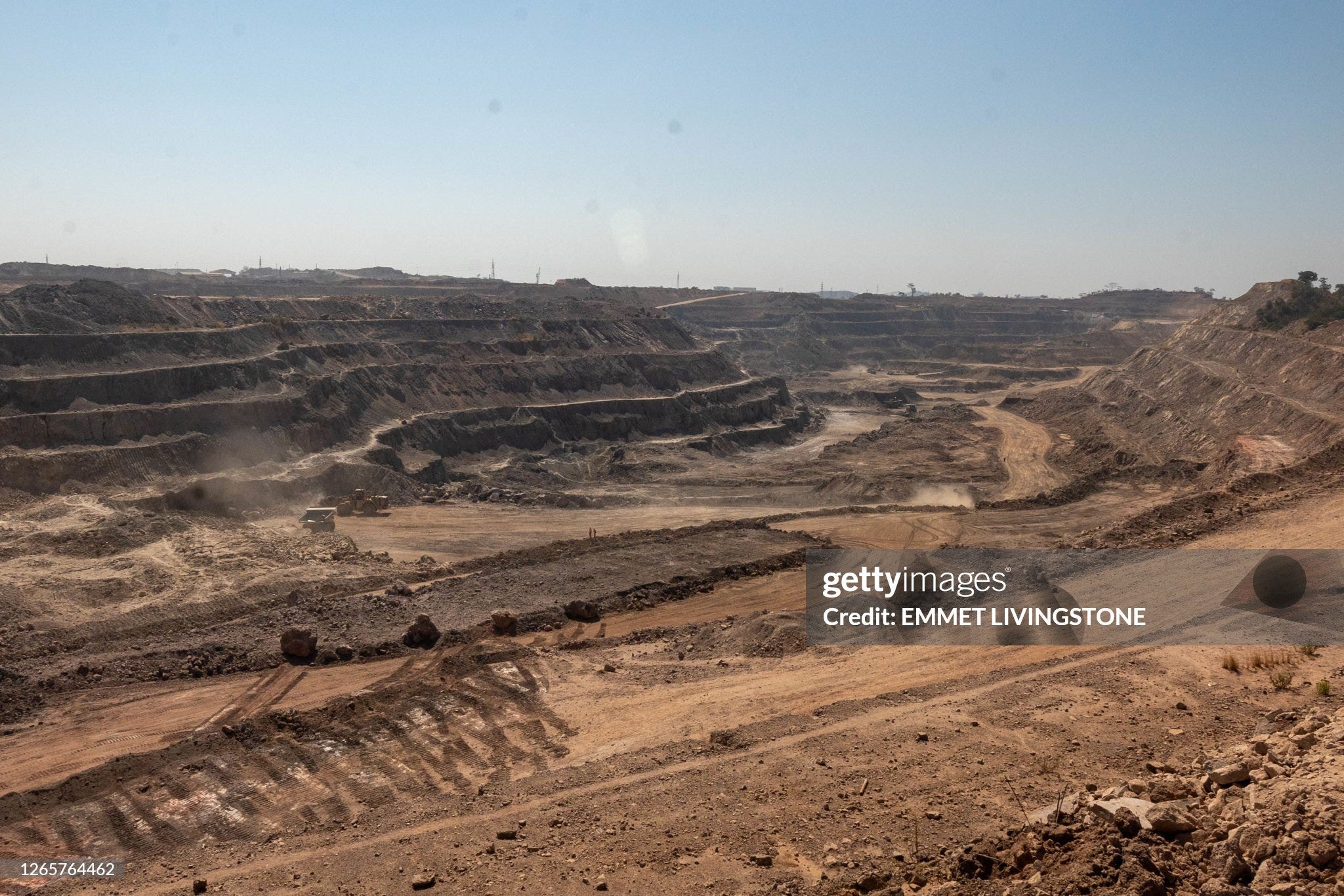
In 2025, merchandise trade between China and Africa reached approximately $348 billion, more than four times the U.S. figure of $83.3 billion. But China’s more concerning advantage lies in critical minerals. In 2024, the Democratic Republic of the Congo supplied approximately 75% of the world’s cobalt, while Chinese companies held interests in many of the country’s largest cobalt mines. Beijing also dominates the refining of numerous minerals, creating the risk that the United States will remain dependent on China even when purchasing raw materials from other countries.
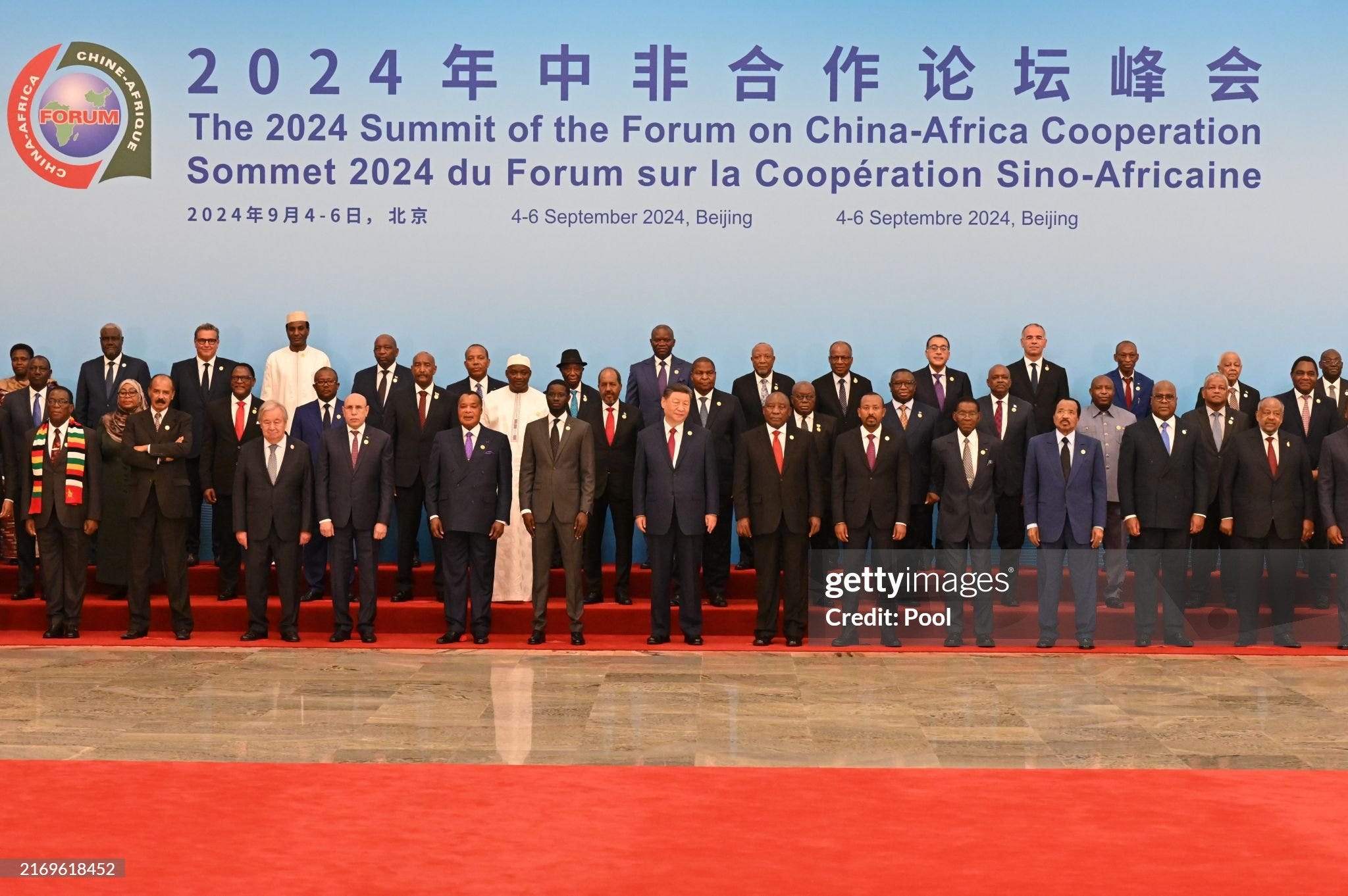
China has also expanded its political influence through loans, infrastructure investment, mining rights, and relationships with African leaders. These economic interests give Beijing greater influence in negotiations over debt, trade, and strategic projects.
The United States still retains significant advantages. According to figures released in 2025, the accumulated stock of U.S. foreign direct investment in Africa exceeded that of China. Washington also maintains security partnerships and a military base in Djibouti, where China has established its own base. Many African countries continue cooperating with both powers to protect their national interests.
China has therefore surpassed the United States in trade and gained advantages in certain mineral supply chains, but it would be premature to conclude that Beijing dominates Africa. Washington’s greatest concern should be China’s ability to use its economic position to influence political decisions and restrict American access to strategic resources.
5. Africa: A Strategic Treasure Trove or a Challenge Too Difficult for Great Powers?
Africa is rich in natural resources, but many regions suffer from inadequate infrastructure, difficult terrain, and high transportation costs. Developing a mineral deposit may require investors to construct additional railways, ports, and power plants. Risks are even greater in countries experiencing prolonged conflicts, such as the Democratic Republic of the Congo, Sudan, and Somalia, where central governments do not control their entire territories and numerous armed groups compete for power.
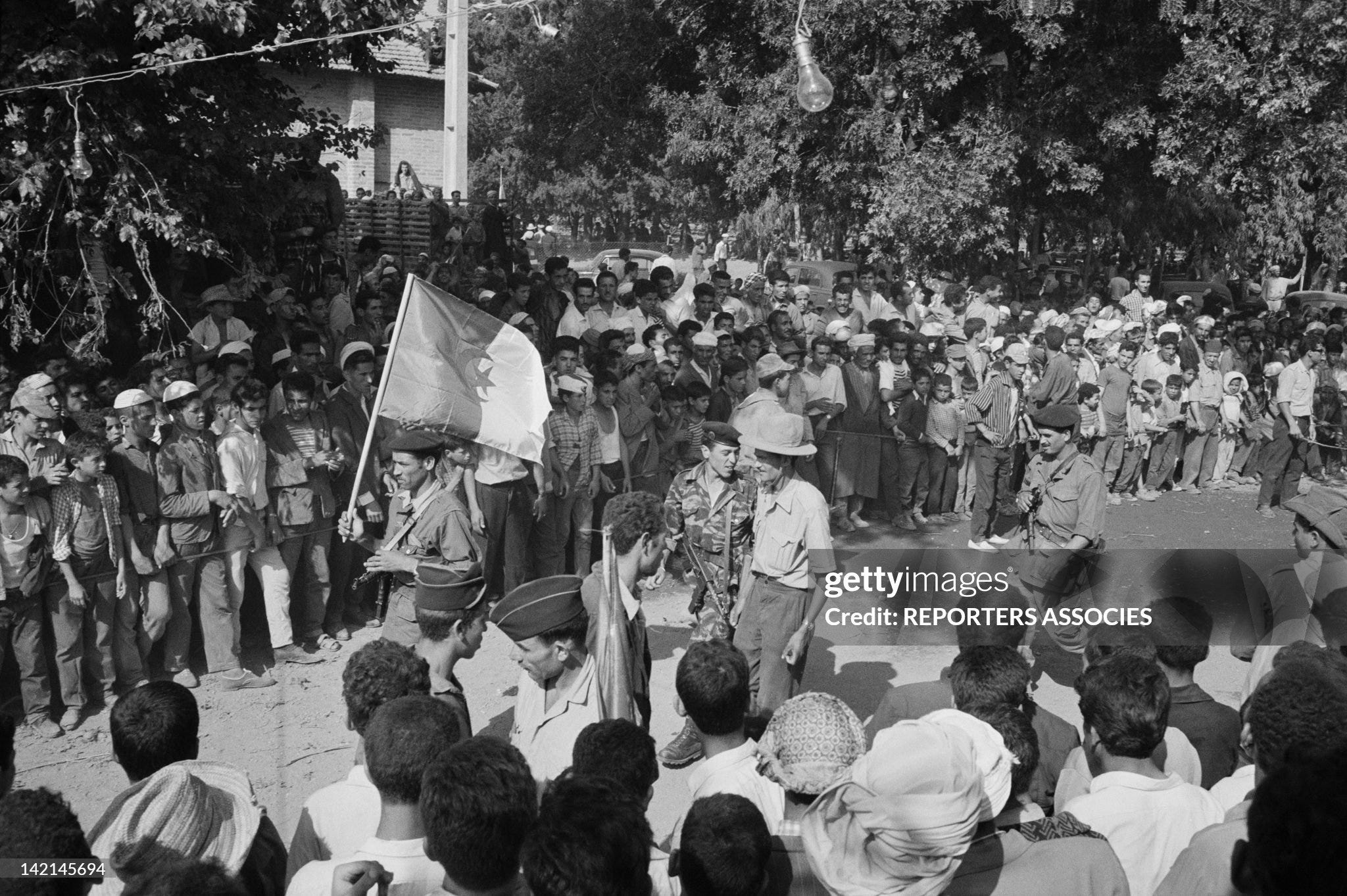
The history of colonialism also demonstrates the limits of controlling Africa. After World War II, European empires weakened as independence movements gained strength and the costs of maintaining colonial rule continued to rise. France fought an eight-year war in Algeria from 1954 to 1962 but ultimately had to accept Algerian independence. Today, major powers can access natural resources through trade and investment contracts without directly governing territories or assuming the costs of maintaining order.
Political fragmentation presents another challenge. Many African countries contain ethnic communities, tribes, and political factions with competing interests. When state institutions are weak, disputes over power and resources can easily escalate into conflict. In Libya, after Gaddafi’s overthrow in 2011, opposition factions failed to establish a unified political authority, leaving the country deeply divided. This is a risk that major powers must consider when contemplating regime change or efforts to rebuild a state.
The United States and China can therefore invest in mining and infrastructure and cooperate with local governments, but both remain cautious about commitments that would require them to guarantee long-term security and stability. Africa offers substantial economic opportunities, but not every opportunity produces returns that justify its costs and risks.
6. The United States and China: Two Different Models of Power, the Same Limitations?
The United States builds influence in Africa through foreign aid, security cooperation, trade, and private investment. China, by contrast, uses state-owned banks and enterprises to finance infrastructure and mining projects while strengthening relationships with host governments. This model enables Beijing to pursue projects that many American companies avoid because of high risks and uncertain financial returns.
However, China has also become more cautious. According to Boston University, new Chinese loan commitments to Africa declined from approximately $28.8 billion in 2016 to less than $2.1 billion in 2024. Beijing continues to pursue trade and investment but has restricted large-scale lending as many projects encounter difficulties involving revenue, debt, and political instability.
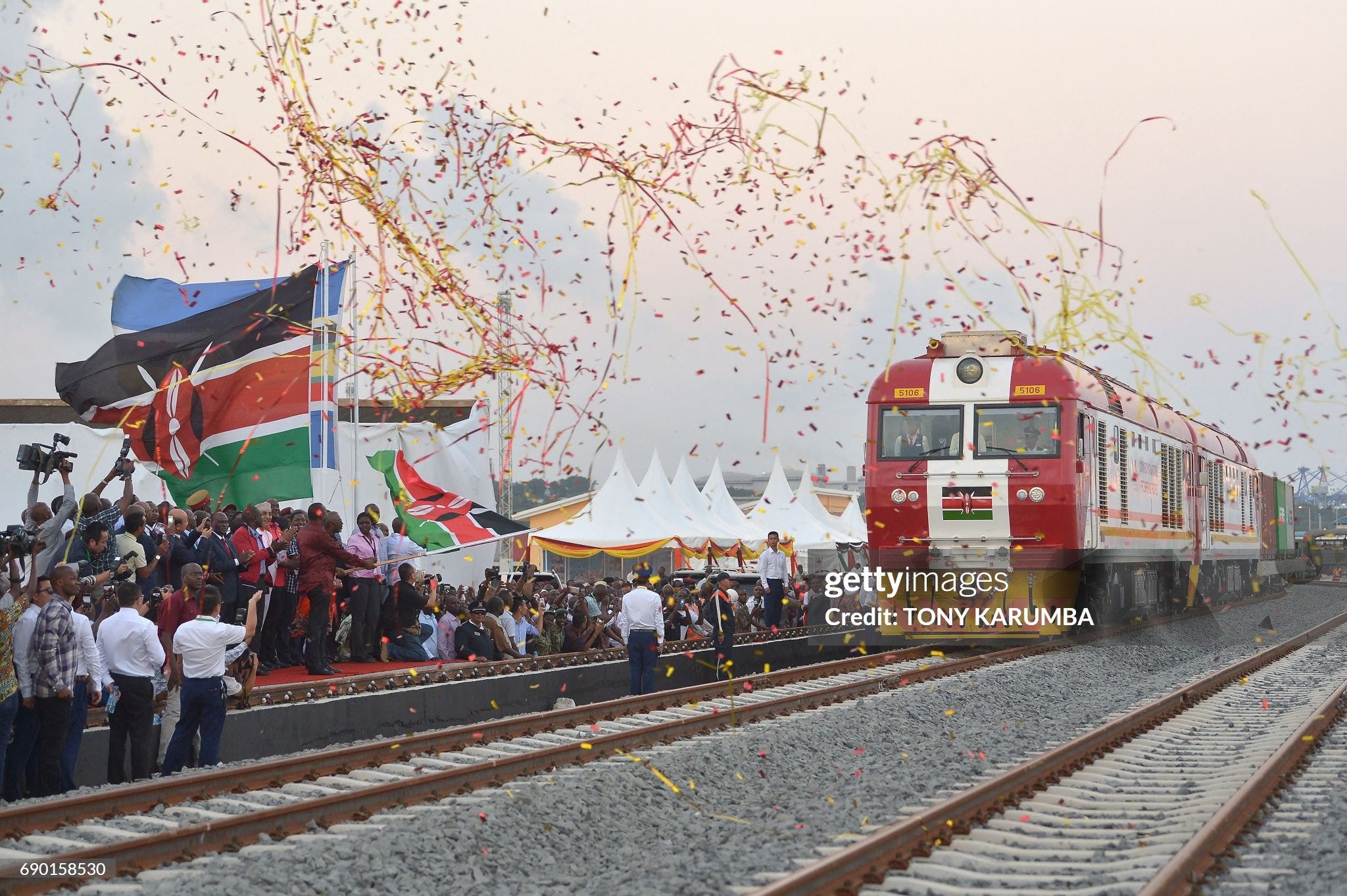
The more assets and citizens China has in Africa, the more concerned Beijing must become about local security and political developments. Conflicts can bring projects to a halt, destroy assets, and make loans difficult to recover. China therefore faces many of the same risks that Washington has generally sought to limit.
The United States and China follow different investment models, but neither wants to bear the costs of building and maintaining order in unstable countries. Both depend on host governments to provide security, enforce contracts, and resolve internal conflicts. Without these conditions, increased investment does not necessarily translate into lasting political influence or sustainable economic returns.
7. What If the United States Had Invested Resources From Its Middle Eastern Wars in Africa?
In 2003, the United States chose to overthrow Saddam Hussein. But Washington had another option: Continue containing Saddam rather than pursuing regime change in Iraq. Under that scenario, Saddam might have remained a counterweight to Iran, while the United States could have avoided some of the costs of war and the years spent trying to stabilize Iraq afterward.
Had Washington redirected a portion of those savings toward Africa in the early 2000s, it might have secured more mineral rights, developed infrastructure, and established supply chains before China consolidated its position. Instead, Beijing expanded its economic relationships and gained advantages in sectors that Washington now considers critical to national security.
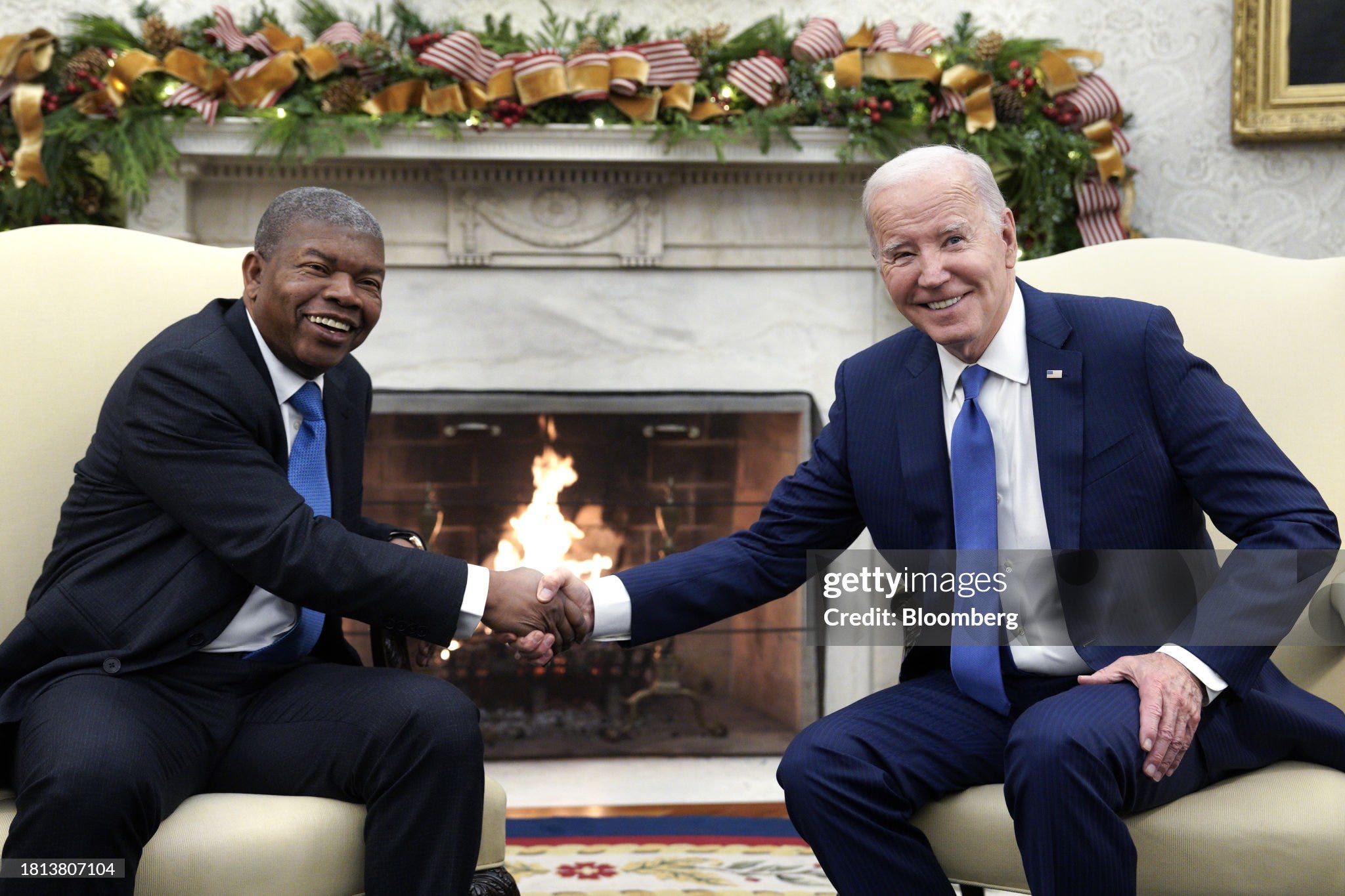
In December 2025, the United States signed a $553 million loan agreement to support railway and port infrastructure along the Lobito Corridor, connecting mining regions in the Democratic Republic of the Congo and Zambia to the Atlantic Ocean through Angola. The project demonstrates Washington’s efforts to expand access to critical minerals and reduce dependence on supply routes dominated by China. Had similar investments begun two decades earlier, the United States might now occupy a stronger position.
Nevertheless, the United States still needs to protect Israel, its Gulf allies, and critical shipping routes in the Middle East. The more reasonable alternative would not necessarily have been to withdraw from the Middle East and shift toward Africa, but rather to avoid excessively costly wars aimed at regime change and nation-building. Washington might have preserved most of its security interests in the Middle East while allocating more resources to economic competition with China in Africa.
8. Did the United States Miss Africa’s Opportunities, or Is China Now Facing a Difficult Challenge?
The United States missed important economic opportunities in Africa, particularly in mining, infrastructure, and supply chains. Devoting excessive resources to prolonged wars in the Middle East reduced Washington’s ability to focus on these sectors, while China seized the opportunity to expand its economic and political influence.
However, China is now facing difficulties of its own. Beijing has sharply reduced new lending to Africa as many projects encounter risks involving debt, profitability, and political instability. China possesses substantial economic advantages but cannot control the entire continent, while the United States continues to exercise significant influence through investment, diplomacy, and security cooperation.
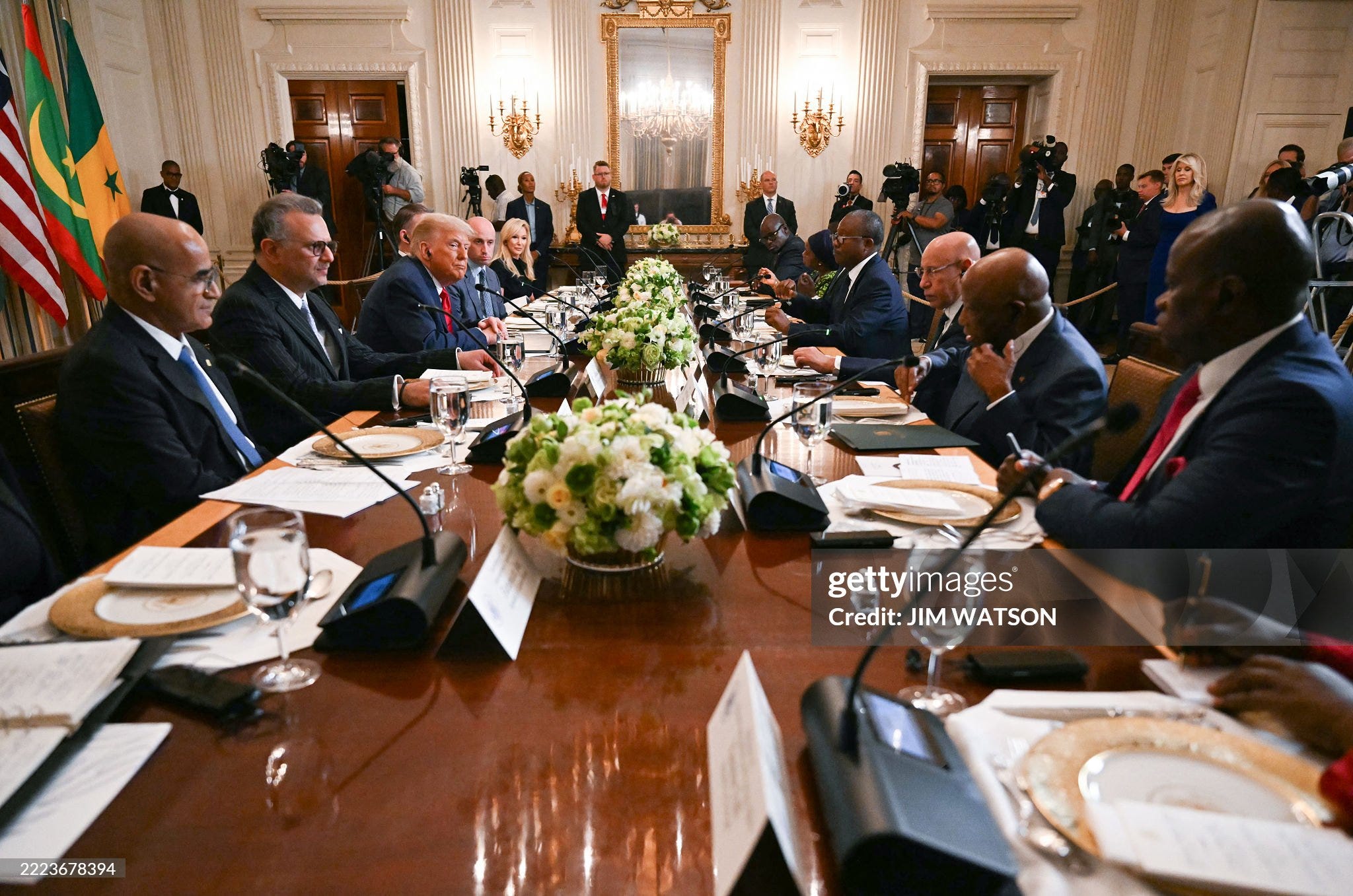
The 2025 U.S. National Security Strategy indicates that Washington is shifting its focus toward trade, investment, and critical minerals while avoiding prolonged military commitments. This may be a more effective approach than competing with China at any cost.
Under current circumstances, the United States does not need to outspend China across all of Africa. Washington should concentrate on the most important resources, transportation routes, and strategic relationships while avoiding the mistake of committing excessive resources to resolving conflicts that African countries themselves must ultimately address.