


China is replacing Russia’s influence in Central Asia
According to multiple reports, Uzbekistan is modernizing its air force with 24 Chinese J-10CE fighter jets. If the deal is completed, it will mark one of the clearest signs that Beijing is expanding its military influence into what has long been considered Russia’s traditional sphere of influence.
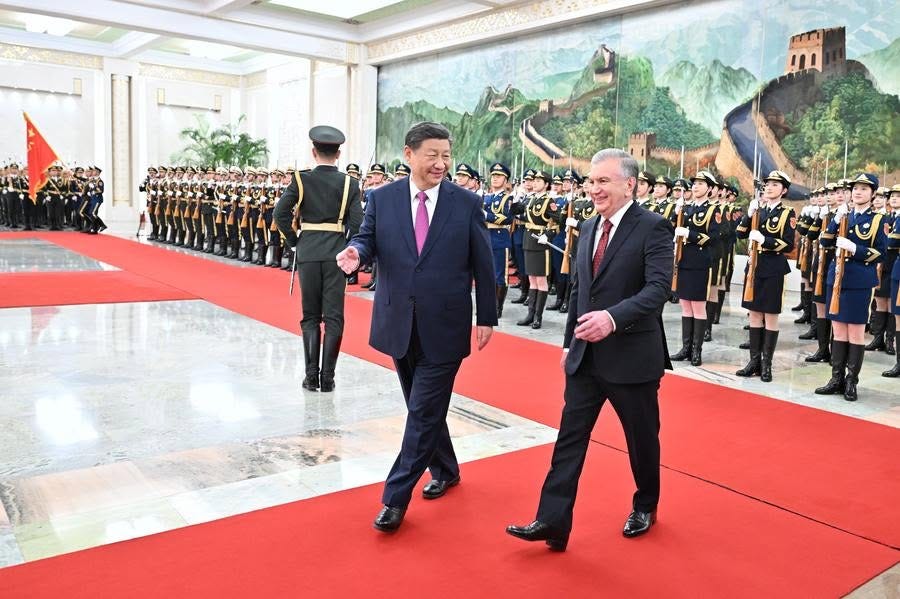
China is not simply selling fighter jets. The J-10CE package includes radar systems, missiles, avionics, pilot training, maintenance, and long-term logistics support. Once this entire ecosystem is established, China’s influence could last for decades.
Russia once held an almost complete monopoly on arms exports to Central Asia. However, more than four years of being bogged down in the war in Ukraine, combined with Western sanctions and international isolation, have significantly weakened Moscow’s prestige and attractiveness. Even its long-standing partners are increasingly seeking to diversify their arms suppliers and reduce dependence on Russia.
Uzbekistan continues to maintain its multi-vector foreign policy and security ties with Moscow. However, choosing the J-10CE suggests that Central Asian countries no longer automatically see Russia as their first choice. That may prove to be one of the most significant geopolitical consequences of the war in Ukraine.
#Uzbekistan #China #Russia #CentralAsia #Defense
Control Threat | Strategic Risk Analysis