


A New U.S. Model in Venezuela
Instead of launching a military intervention or attempting to overthrow the entire regime, Washington is testing a different approach in Venezuela. After the kidnapping of Venezuela’s president, the United States pressured the remaining officials to gradually shift toward cooperation.
American companies are returning to invest, while the two countries are expanding cooperation in oil, intelligence, counter-narcotics, and transnational crime. In return, Venezuela gains an opportunity to revive its economy, attract investment, and reduce years of international isolation. For Washington, this means expanding U.S. influence across the Western Hemisphere, giving American companies access to one of the world’s largest proven oil reserves, and gradually reducing the influence of Russia and China in the region.
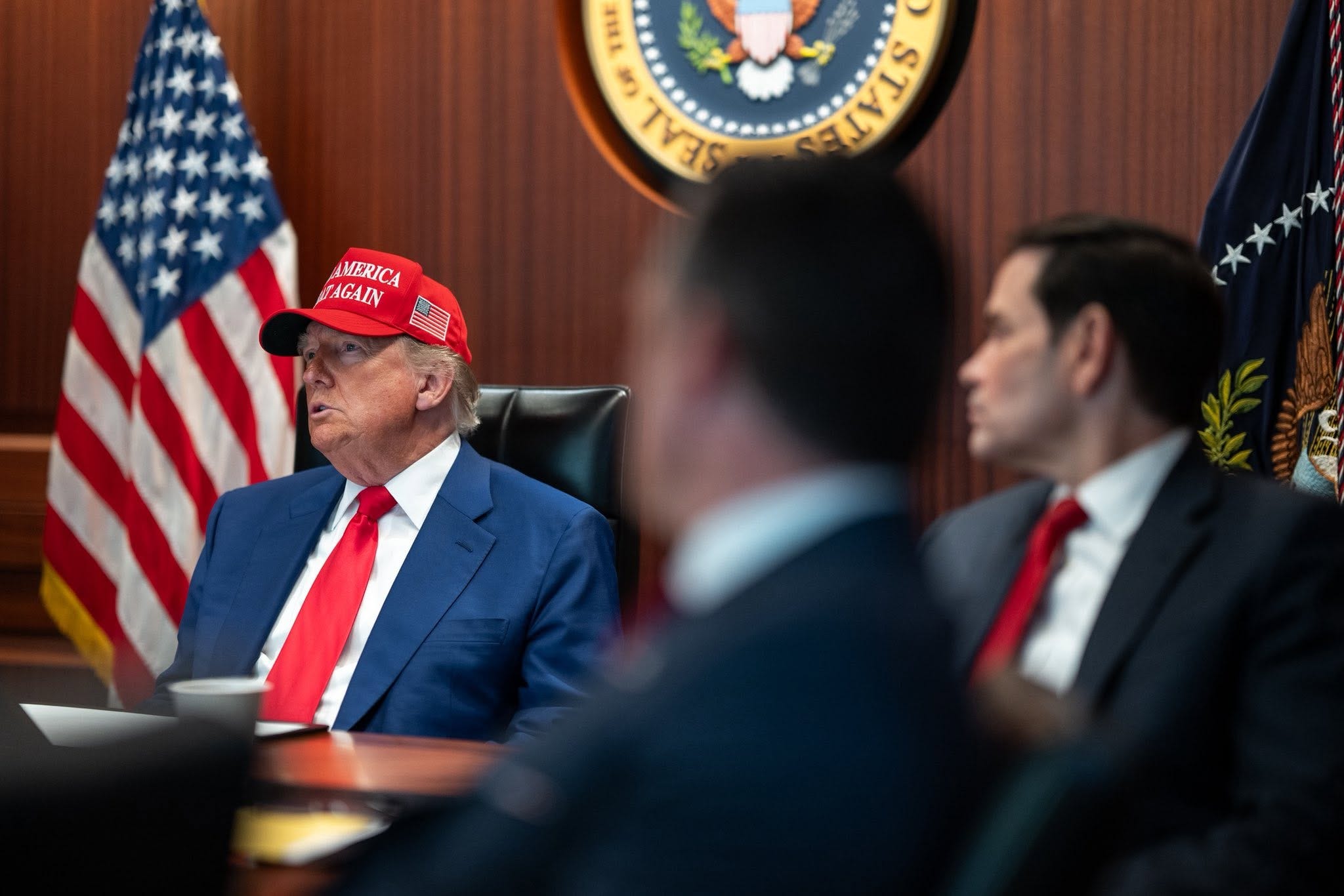
At this stage, Venezuela can be seen as a model that reflects Donald Trump’s approach: achieving multiple strategic objectives quickly, at relatively low cost, and without launching a large-scale military intervention.
This approach is far less expensive than military action. Washington combines economic and security incentives with the ability to reimpose sanctions if cooperation breaks down. This blend of “the carrot and the stick” allows the United States to sustain its influence more effectively than relying on economic incentives alone.
The model, however, has a clear weakness. The United States does not directly control Venezuela’s military or security institutions, meaning a future government could still change course if a more attractive alternative emerges. That is why Washington will likely deepen its influence in the security sector over time to reduce this risk. Although far cheaper than direct military intervention, this approach cannot completely eliminate the possibility that Venezuela may eventually shift its strategic alignment.
#Venezuela #USA #Geopolitics #Oil #China #Trump
Control Threat | Strategic Risk Analysis